When are Dental Crowns Recommended by Dentists- An Insight for Southlake Residents


Blog Summary:
Dental crowns play an important role in protecting and restoring damaged teeth when fillings are no longer enough. This blog explains the common signs that indicate a crown may be needed, including large cavities, cracks, worn teeth, and post-root canal treatment. It also highlights how dentists evaluate tooth strength, damage, and bite pressure before recommending this solution. For patients considering dental crowns in Southlake, early treatment can help prevent further complications, restore function, and improve the overall appearance of the smile.
Many people living in Southlake and nearby communities often wonder when a damaged tooth needs more than a simple filling. You might notice a crack, feel sensitivity while eating, or worry about a tooth that looks worn down. At that point, a common question arises: Do I need a crown, or can the tooth heal on its own?
Teeth handle a lot of daily pressure from chewing, grinding, and biting. Over time, damage can develop that simple treatments cannot fix. Dentists closely examine the tooth’s structure and recommend specific restorations when they see a risk of further damage or tooth loss.
In many situations, a protective restoration becomes the right step to restore strength and appearance. Many patients who visit Wright Smiles often ask how dentists decide when a crown becomes necessary. This guide explains when dentists recommend them and what signs you should watch for.
Dr. Victoria Heron is dedicated to helping patients protect and restore their natural smiles. She carefully evaluates tooth damage and recommends treatments like dental crowns to improve strength, function, and appearance while ensuring long-term oral health.
Ready to Smile? Call Today!

Thanks so much for taking the time to learn more about when dental crowns are recommended and how they help protect your smile! We hope this guide has given you a clearer understanding of the signs to watch for and when it may be time to consider treatment. At Wright Smiles, Dr. Victoria Heron and our caring team take the time to evaluate your needs, explain your options, and ensure you feel confident every step of the way.
Your comfort and long-term oral health are our top priorities, so why wait? Call us today to schedule your appointment! We love helping patients restore strength, function, and confidence in their smiles with dental crowns, and we look forward to caring for you.
Understanding What a Dental Crown Does
A dental crown acts as a protective cover that fits over a damaged tooth. It restores shape, strength, and function while protecting the natural tooth underneath.
When a tooth becomes weak, cracked, or heavily filled, it may not handle daily pressure. A crown surrounds the visible portion of the tooth and helps it function normally again.
Dentists recommend this restoration when they want to save a natural tooth rather than remove it. Instead of extracting the tooth, the dentist reinforces it so you can continue chewing comfortably.
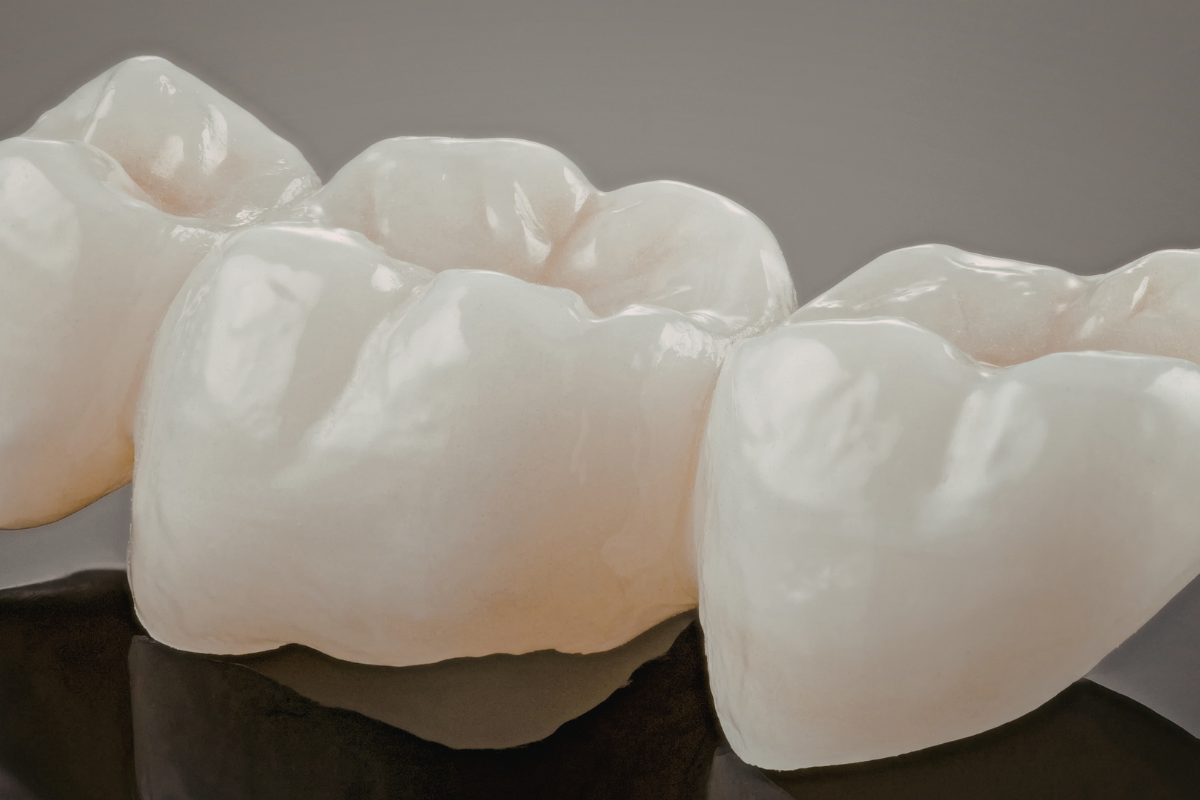
These restorations often use materials such as porcelain or ceramic. These materials blend with surrounding teeth, which helps maintain a natural appearance.
Many patients exploring dental crowns in Southlake ask whether this option serves both health and cosmetic needs. In many cases, the answer is yes. The restoration supports the tooth while improving its appearance in your smile.
Signs That Your Tooth May Need a Crown
A dentist does not recommend this restoration without reason. Certain conditions signal that the tooth needs stronger protection.
Large Cavities or Severe Decay
When decay removes a large portion of the tooth, a filling may not provide enough strength. The remaining structure becomes fragile and may break under pressure.
In these cases, the dentist removes the decay and places a crown over the tooth to restore durability.
Cracked or Fractured Teeth
Cracks can spread through the tooth when you chew or grind your teeth at night. Without protection, the fracture may worsen.
A crown stabilizes the tooth and prevents the crack from spreading further.
Root Canal Treatment
After root canal therapy, the inner part of the tooth no longer contains living tissue. The tooth remains functional but becomes more brittle.
Dentists often recommend a crown after root canal therapy to reinforce the treated tooth.
Worn Teeth From Grinding
People who grind their teeth frequently place extreme pressure on their enamel. Over time, this pressure can wear down teeth significantly.
Dentists may recommend dental crown treatment to restore worn teeth and protect them from additional damage.
Who Usually Needs a Crown
Some dental situations increase the likelihood that a patient may need a crown. Dentists evaluate several factors before recommending this treatment.
Teeth With Multiple Fillings
A tooth with repeated fillings often loses a large amount of natural structure. Eventually, another filling may not provide enough stability.
A crown strengthens the entire tooth instead of repairing only one small area.
Teeth With Structural Weakness
Some teeth show visible damage such as fractures, chips, or worn edges. When these issues affect chewing strength, dentists recommend crowns to restore proper function.
Teeth Supporting Bridges
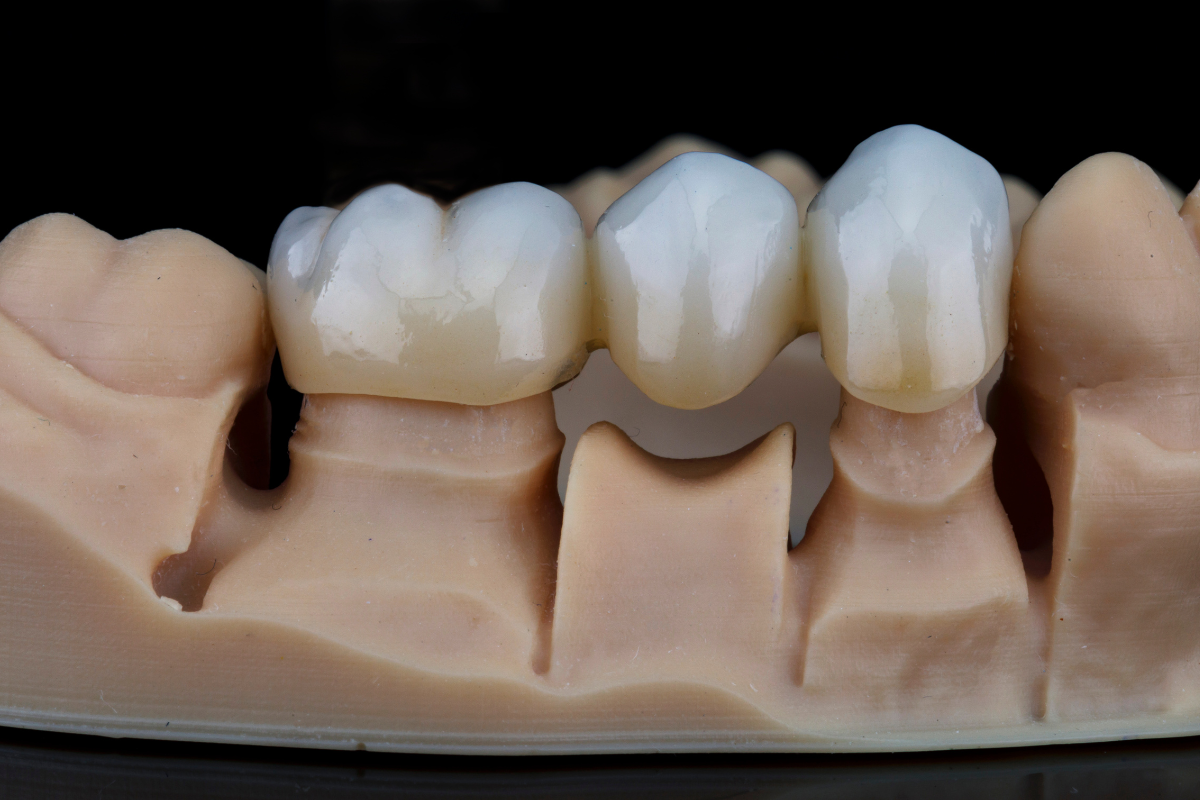
A bridge uses neighboring teeth to support artificial replacement teeth. Dentists place crowns on these supporting teeth to hold the bridge securely.
Cosmetic Improvement
Some people choose crowns to improve the appearance of a tooth that shows severe discoloration, uneven shape, or structural damage.
During consultations about dental crowns Southlake, dentists often explain how this restoration can address both function and aesthetics.
As one satisfied patient shared-
Dr. Herron and her hygienist were absolutely phenomenal today. Not only did they do a great job on a crown issue I had but the practice fit me in and performed everything needed to repair the crown immediately. Dr. Herron even called me on her cell phone to ensure I was doing well after the procedure. Dr. Wright has entrusted the business to the right people!! Oh, and a sweet, sweet lady also!! – D Gregor
We are proud of the smiles we care for every day. You can read real patient experiences anytime on our Google reviews.
How Dentists Decide When to Recommend One
Dentists examine several factors before recommending this restoration.
Tooth Strength
The dentist checks how much healthy tooth structure remains. If the remaining structure appears weak, the dentist may suggest a crown rather than a filling.
Bite Pressure
Some teeth handle more chewing pressure than others. Molars, for example, endure strong biting forces.
If a damaged molar cannot withstand pressure, a crown protects it from breaking.
Extent of Damage
Small chips or minor cavities often require simple treatments. Larger structural damage usually requires stronger reinforcement.
Long-Term Stability
Dentists aim to protect teeth for many years. If a filling may fail under pressure, they recommend a crown instead.
Patients who receive dental crown treatment often do so because the dentist wants to protect the tooth long-term rather than perform repeated repairs.
If you’re concerned about discomfort after treatment, you can also read our detailed guide on why dental crowns may cause pain to better understand the possible reasons and solutions.
Benefits of Getting a Crown at the Right Time
When dentists recommend crowns, they focus on preserving natural teeth and preventing future complications.
Protects the Natural Tooth
A crown shields the remaining tooth structure from further fractures or decay.
Restores Chewing Function
Many patients regain normal biting and chewing strength after receiving a crown.
Improves Smile Appearance
Porcelain restorations can match the color of surrounding teeth, improving the appearance of the smile.
Prevents Tooth Loss
Without protection, damaged teeth may break beyond repair. A crown can help prevent that outcome.
What Happens During the Procedure
Understanding the process helps many patients feel more comfortable with treatment.
Tooth Preparation
The dentist reshapes the tooth slightly to create space for the crown.
Digital or Traditional Impressions
Dentists capture detailed impressions of the prepared tooth. These impressions help create a custom restoration.
Temporary Protection
Patients often wear a temporary crown while the dental lab creates the permanent one.
Final Placement
Once the permanent crown arrives, the dentist places and secures it over the prepared tooth.
This process restores both strength and appearance while protecting the natural tooth.
Ready to Transform Your Smile with Crowns?

When to Talk to a Dentist About Crowns
Many people ignore early signs of tooth damage until discomfort becomes severe. Cracks, large cavities, and worn teeth often signal the need for stronger protection. Dentists evaluate these issues carefully and recommend solutions that preserve natural teeth.
Residents exploring dental crowns in Southlake often discover that early treatment helps protect their smiles and prevents more complex procedures later.
If you notice tooth pain, visible damage, or sensitivity while chewing, it may be time to schedule an evaluation. A dentist can examine the tooth, explain your options, and determine whether a crown can restore strength and comfort. Book an appointment at Wright Smiles for a crown treatment.
FAQs
How do dentists know if a crown is necessary?
Dentists examine tooth structure, cracks, decay, and bite pressure. When a filling cannot protect the tooth properly, they recommend a crown to prevent further damage and restore strength.
Does getting a crown hurt?
Dentists numb the area before preparing the tooth, so patients usually feel little discomfort during the procedure. Most people return to normal activities shortly after the visit.
How long do crowns usually last?
Many crowns last 10–15 years or longer with proper oral hygiene and regular dental visits. Avoiding teeth grinding and maintaining daily brushing and flossing also helps extend their lifespan.
Can a crown prevent a tooth from breaking?
Yes. A crown surrounds and reinforces the tooth structure, which helps protect weakened teeth from fractures caused by chewing pressure.
When should someone talk to a dentist about crown treatment?
People should consult a dentist when they notice cracked teeth, severe cavities, worn enamel, or sensitivity while biting. Early evaluation allows the dentist to protect the tooth before damage worsens.