Our Dentist Recomended Tips for a Smooth Healing Process After Tooth Extraction



Recovering after a tooth extraction usually goes smoothly when you follow the right aftercare steps from the beginning. Most patients can reduce pain, swelling, bleeding, and healing complications by protecting the blood clot, eating soft foods, staying hydrated, and avoiding activities that disturb the extraction site. The first few days matter the most, and understanding what is normal during healing can make recovery far less stressful.
At Wright Smiles, Dr. Paola Arcila and our team regularly help Southlake patients recover comfortably after extractions with detailed guidance and personalized care. We believe patients heal better when they know exactly what to expect before and after treatment. If you are dealing with severe tooth pain, infection, or damage that may require removal, schedule a consultation with our office today and receive compassionate care designed around your comfort and long-term oral health.
Why Proper Aftercare Matters After a Tooth Extraction
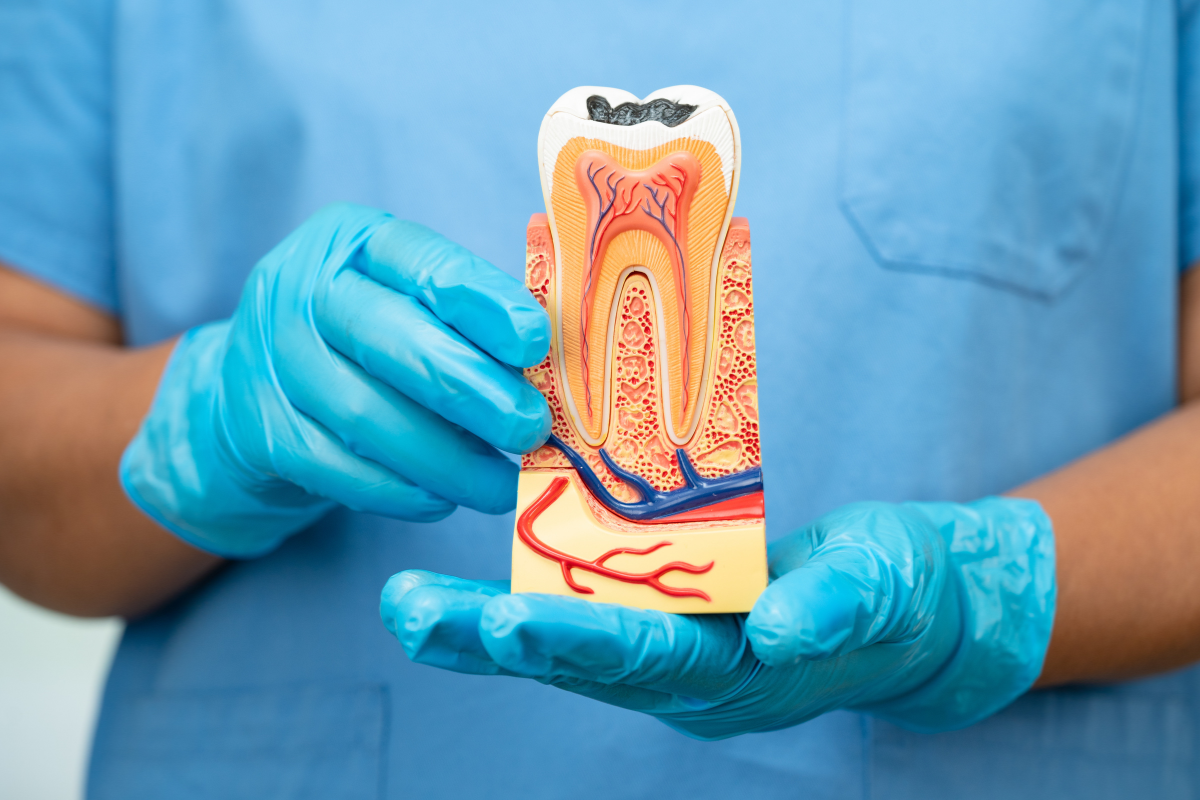
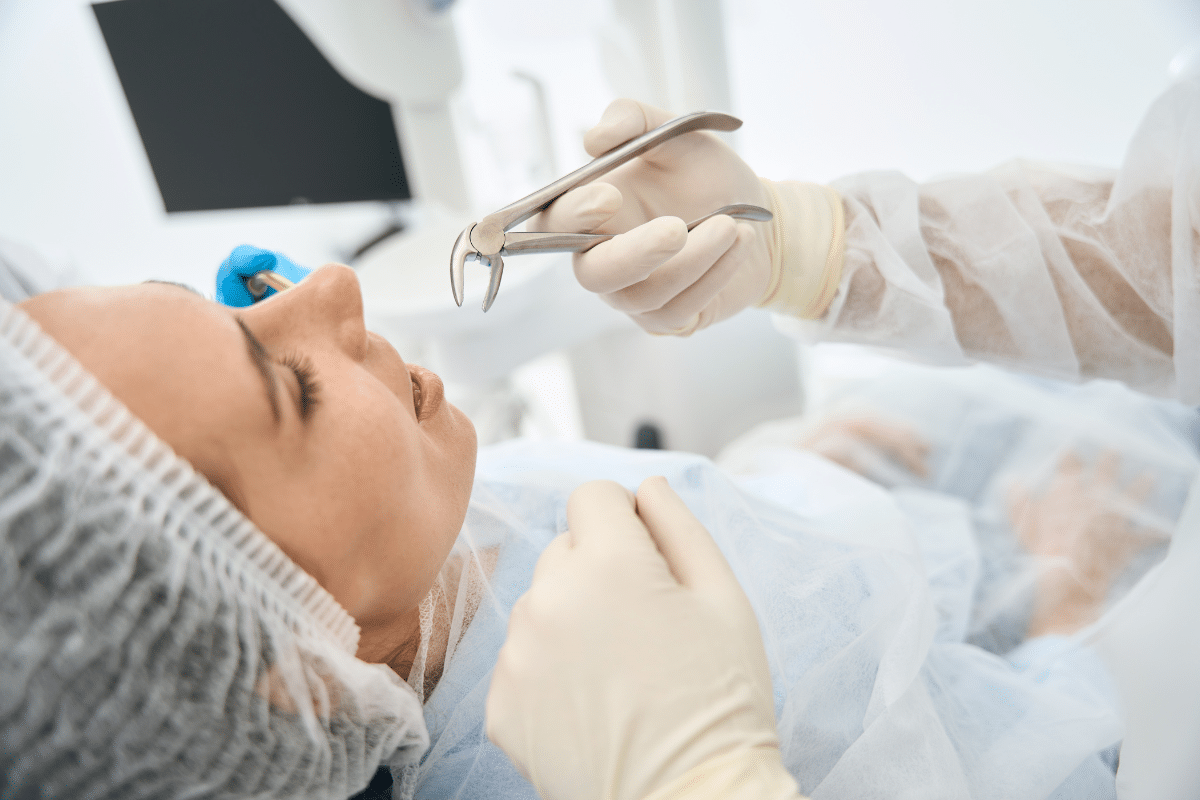
A tooth extraction creates an opening in the gums and jawbone. Your body immediately begins healing by forming a protective blood clot over the extraction socket.
That clot acts like a natural bandage. It protects the nerves and bone underneath while new tissue develops.
When the clot becomes dislodged too early, a painful condition called dry socket can occur. This delays healing and exposes the underlying bone.
Following proper aftercare instructions helps:
- Lower the risk of infection.
- Reduce swelling and discomfort.
- Protect the extraction site.
- Support faster tissue healing.
- Improve overall recovery comfort.
Practically, tooth extractions in Southlake or elsewhere often make patients anxious. However, in reality, recovery is usually manageable when aftercare instructions are followed carefully during the first few days.
Tooth Extraction Recovery Timeline Day by Day
One of the most common questions patients ask is how long recovery takes. Healing varies from person to person, but most people follow a similar timeline.
First 24 Hours
- Bleeding slows significantly
- Blood clot forms
- Mild swelling begins
- Numbness gradually wears off.
You should rest as much as possible during this stage.
Days 2–3
- Swelling may peak
- Jaw soreness becomes more noticeable.
- Minor stiffness is common.
- Pain usually becomes easier to manage.
Many Southlake patients return to light daily routines during this phase, though strenuous activity should still be avoided.
Days 4–7
- Gum tissue starts closing.
- Swelling improves
- Most discomfort fades
- Eating becomes easier
This is usually when patients begin feeling much more normal again.
Week 2 and Beyond
- Deeper bone healing continues.
- Gum tissue strengthens
- Sensitivity gradually disappears
Complete healing beneath the gums can take several weeks, especially after surgical extractions or wisdom tooth removal.
The First 24 Hours: Protecting the Healing Site
The first day following your procedure is the most important for long-term success. Your
The body works hard to begin the biological repair process immediately after the tooth is
removed.
Managing the Initial Bleeding
After the extraction, we will place a gauze pack over the site. It is vital to keep firm, steady.
pressure on this gauze for at least 30 to 45 minutes.
- Do not chew on the gauze, as this can irritate the site.
- If bleeding continues after removing the initial gauze, replace it with a clean, damp piece and bite down firmly for another 30 minutes.
- A damp tea bag can also be used; the tannic acid in tea helps blood vessels constrict to stop bleeding.
Minimizing Discomfort and Swelling
Swelling is a natural part of the body’s inflammatory response. While it usually peaks about
48 to 72 hours after the procedure, early intervention makes a significant difference.
Effective Use of Cold Compresses
- Apply an ice pack to the outside of your cheek near the extraction area. Use a “20 minutes on, 20 minutes off” cycle for the first day.
- This helps constrict blood vessels and numbs the area naturally. After 24 hours, the cold is less effective, and you may switch to warm compresses if your jaw feels stiff.
Pain Management Strategies
Dental professionals often recommend taking the first dose of medication before the local.
Anesthesia completely wears off. This helps you “stay ahead” of any discomfort rather than
trying to chase it later.
- Follow the specific dosage instructions provided during your visit.
- Avoid aspirin, as it can thin the blood and interfere with clot formation.
- If you were prescribed antibiotics, ensure you finish the entire course even if you feel fine.
What to Eat After a Tooth Extraction
Proper nutrition is essential for healing, but you must be careful not to disturb the surgical.
site. We recommend stocking your pantry with soft, nutrient-dense foods.
before your appointment.
Recommended Foods for Days 1-3
- Lukewarm Soups: Avoid very hot liquids, which can dissolve the blood clot. Blended vegetable soups are excellent for vitamins.
- Yogurt and Pudding: These provide protein and calcium while being very easy to swallow.
- Mashed Potatoes: Ensure they are smooth and free of large chunks or skin.
- Applesauce: A great way to get fiber without having to chew.
Activities to Avoid During Recovery
While you might feel energetic after the anesthesia wears off, your body needs downtime.
Overexertion can increase your heart rate and cause the extraction site to bleed again.
- No Smoking: Tobacco smoke contains chemicals that delay healing, and the act of inhaling can dislodge the clot.
- No Vigorous Rinsing: On the first day, do not spit or rinse forcefully. On the second day, you can begin gentle warm salt water rinses.
- Limit Exercise: Avoid the gym or heavy lifting for at least 3 to 5 days.
Support a Faster, Healthier Recovery
Healing after a tooth extraction does not have to feel overwhelming. With proper aftercare, most patients recover comfortably and return to normal activities within several days. Protecting the extraction site early, following your post-operative instructions, and paying attention to warning signs can make a major difference in how smoothly recovery goes.
At Wright Smiles, we are proud to help Southlake families feel informed, comfortable, and supported during every stage of treatment. If you’re suffering from a toothache, infection, or dental damage that needs extraction, book a consultation for our painless tooth removal in Southlake. We provide personalized care aimed at your long-term oral health and comfort. Book an appointment to ensure your oral health is in safe hands.
Frequently Asked Questions
How do I know if I have a dry socket?
Dry socket usually causes severe throbbing pain several days after extraction. You may also notice bad breath, an unpleasant taste, or visible bone inside the socket.
When can I use a straw again after a tooth extraction?
Most dentists recommend waiting at least one week before using a straw. Suction can dislodge the healing blood clot.
Is throbbing pain normal after a tooth extraction?
Mild soreness and pressure are common. Severe or worsening throbbing pain several days later may indicate dry socket or infection.
Can food get stuck in the extraction hole?
Yes. Small food particles may collect in the socket during healing. Gentle saltwater rinses usually help keep the area clean.
When can I return to normal eating after an extraction?
Most patients gradually return to normal foods within about one week, depending on the complexity of the extraction and how well healing progresses.