Nervous About Tooth Extractions: What Southlake Patients Should Know


Summary: Tooth removal no longer feels overwhelming. Today’s approach prioritizes comfort, planning, and oral health. The procedure is quick with mild discomfort for most. Proper aftercare ensures smooth recovery. Removing a problematic tooth at the right time prevents infection, reduces pain, and aids in better long-term results. With proper guidance, the experience is more manageable, helping patients confidently restore a healthy, comfortable smile.
Tooth extraction is one of the most common dental procedures, yet it still makes many people uneasy. Most of that worry comes from not knowing what actually happens during treatment. In reality, the process is straightforward, carefully planned, and focused on keeping you comfortable. From the initial evaluation to the final step, each stage follows a clear approach designed to protect your oral health.
After enjoying meals at local spots around Southlake Town Square, some residents notice a lingering issue with a tooth that can no longer be saved. Moments like these often lead to seeking timely care. At Wright Smiles, the team focuses on making every step easy to understand, so patients feel prepared and confident before treatment begins. This blog explains why extractions are needed, what happens during treatment, and how proper aftercare supports quick healing and long-term health.
When Does a Tooth Actually Need to Come Out?
Not every damaged or painful tooth needs a tooth removal surgery. Dental professionals always look for ways to save a natural tooth first. But certain situations make removal the best path forward for long-term oral health. While considering tooth extractions in Southlake, visit a dental professional to find out if you actually need that. Here are the scenarios where an oral care provider suggests tooth removal surgery:
The Tooth Is Too Damaged to Save
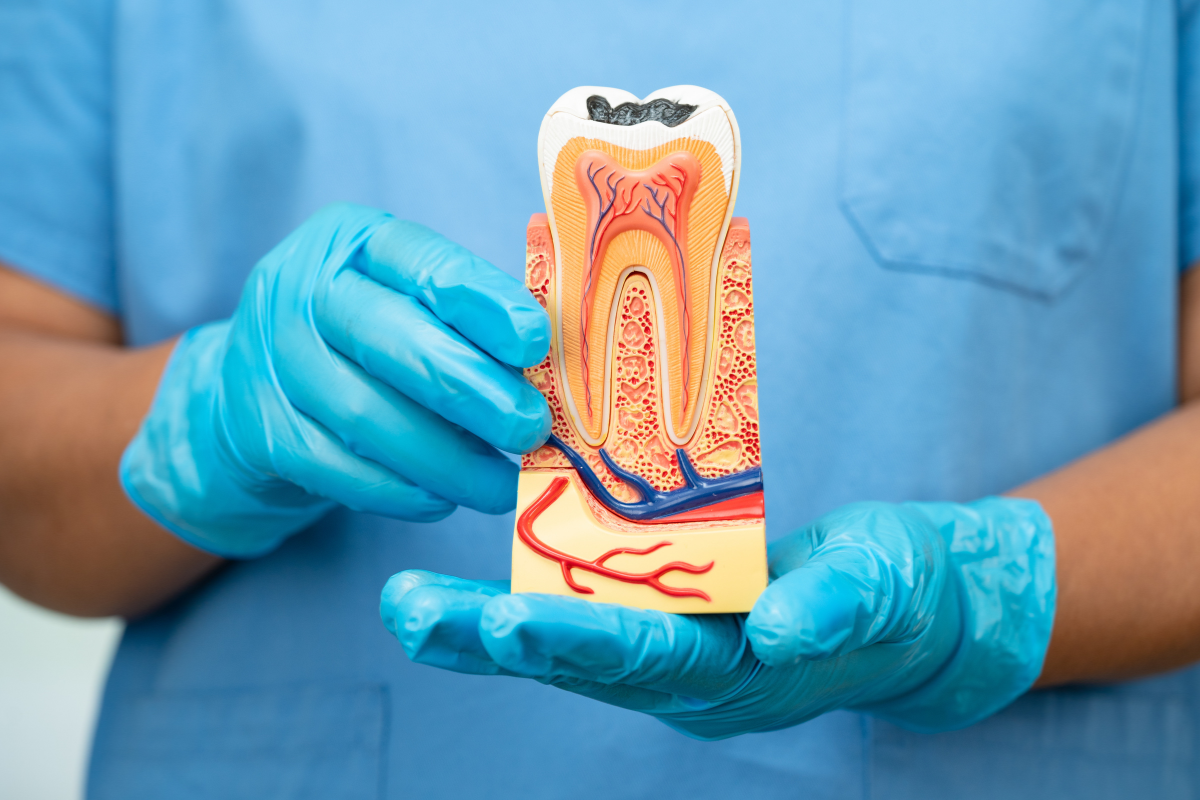
Severe decay can travel deep into the tooth structure over time. When a cavity goes untreated for too long, it can destroy the tooth beyond what a filling or crown can fix. At that point, the tooth needs to go.
Infection Has Spread Too Far
A dental abscess forms when bacteria invade the pulp of the tooth. If root canal therapy cannot clear the infection fully, tooth removal becomes necessary to stop the infection from spreading to neighboring teeth or the jawbone.
Overcrowding Affects the Bite
Sometimes, there simply is not enough room in the mouth for all the teeth to sit properly. Removing one or two teeth can make space for the remaining teeth to align correctly. This is especially common before orthodontic work.
Wisdom Teeth Are Impacted
Wisdom teeth are the most frequently extracted teeth in the country. When wisdom teeth do not erupt properly, they press against surrounding teeth and can cause pain, swelling, and damage.
Gum Disease Has Loosened the Tooth
Advanced periodontal disease erodes the bone and tissue that hold teeth in place. When a tooth becomes too loose to function, tooth removal surgery is often the most practical solution.
How Dental Professionals Decide If Extraction Is Right for You?
Before a tooth is removed, our caring team carefully assesses the full situation. It’s important to make this decision thoughtfully, not in haste.
A Thorough Examination Comes First
The dental professional performs a visual exam, reviews the patient’s dental and medical history, and takes digital X-rays to assess the roots, bone structure, and surrounding teeth. Every detail matters before moving forward.
The Patient Gets a Full Explanation
No one should walk into a procedure without understanding what is happening. The professional team explains why the tooth removal surgery is needed, what the process involves, and what the recovery looks like. Questions are always welcome.
Sedation and Comfort Options Are Discussed
Dental anxiety is something many people experience. The dental care provider takes the time to review all available options to help the patient feel at ease before the procedure begins. Sedation ensures the area is fully numbed, so there’s no pain during the removal.
What Happens During the Procedure?
Here is how the procedure will be followed:
- Numbing the Area: The dentist applies local anesthesia to block sensation. You stay awake but feel no pain.
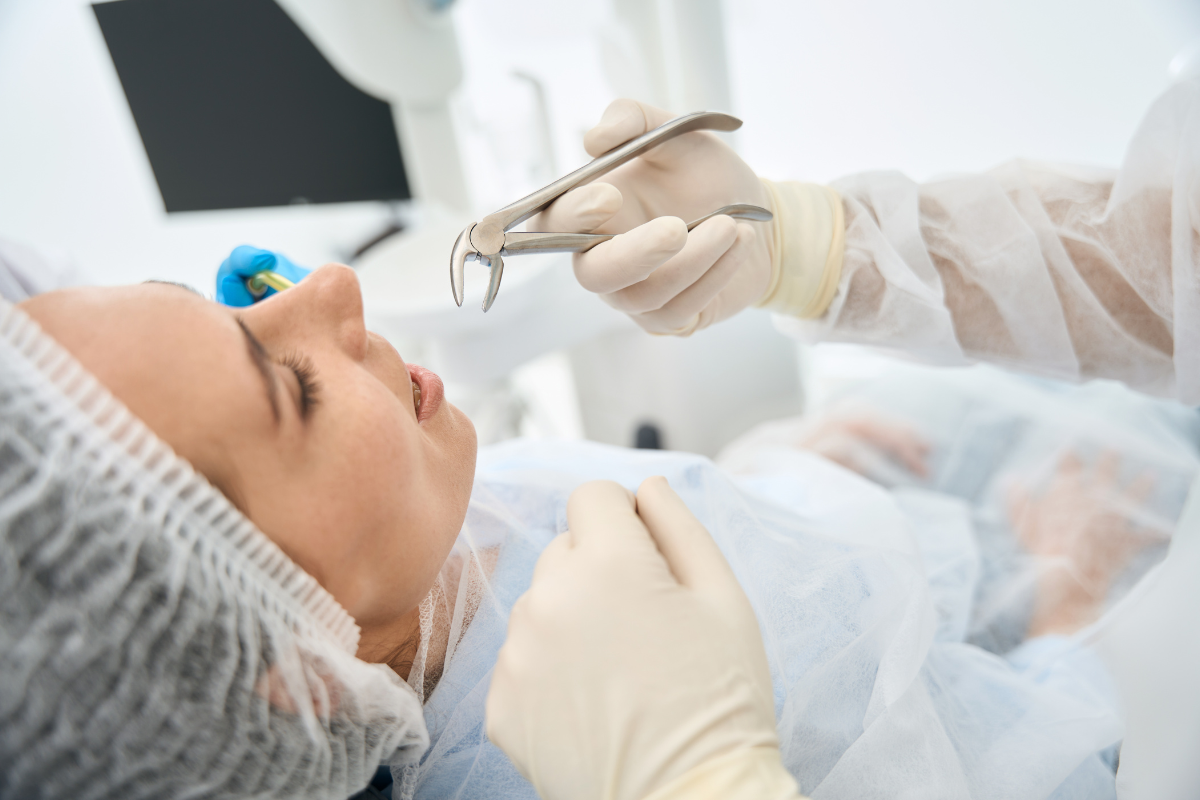
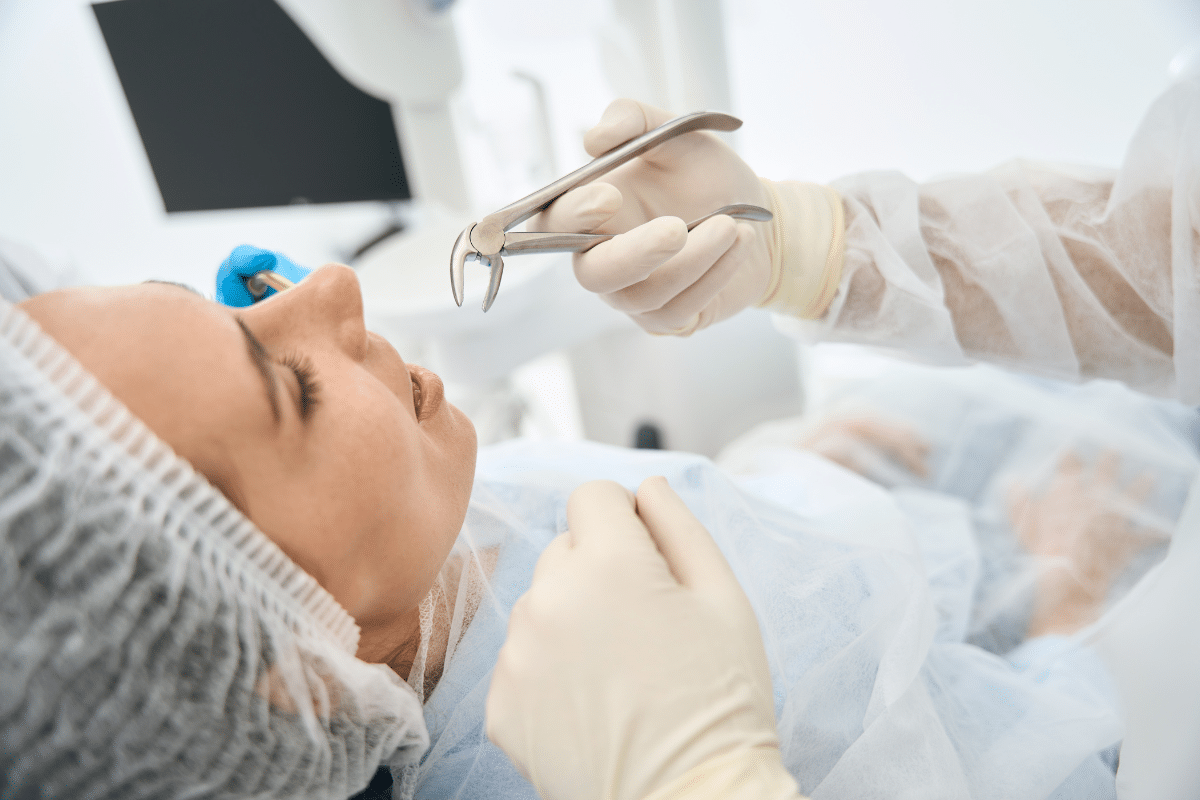
- Gentle Tooth Removal: The tooth is carefully loosened and removed. The goal is to protect the surrounding tissue.
- Controlling Bleeding: A small gauze is placed to manage bleeding. This also helps form a clot for healing.
What to Expect After the Surgery: Recovery Done Right
The procedure is only part of the journey. Recovery plays a huge role in how well and how quickly healing happens. If you are considering tooth extractions in Southlake, learn what to expect during recovery.
The First 24 Hours Matter Most
The body forms a blood clot in the socket right after the tooth is removed. This clot is essential. Patients should bite gently on gauze to control any bleeding and avoid spitting, rinsing, or using straws during this period. Dislodging the clot leads to a painful condition called dry socket.
Managing Swelling and Discomfort
Some swelling and mild soreness are normal. Applying a cold compress to the outside of the cheek in 20-minute intervals helps reduce swelling. Over-the-counter or prescribed pain medication keeps discomfort under control. Most patients feel back to normal within a few days.
Foods to Eat (and Avoid) While Healing
Here is what works best during recovery:
- Soft foods like yogurt, mashed potatoes, smoothies, and scrambled eggs
- Cool or lukewarm temperatures rather than hot foods and drinks
- Avoiding hard, crunchy, or chewy foods that could irritate the socket
- No alcohol or tobacco products during the healing period
Oral Hygiene During Healing
Patients can gently brush their teeth the day after the procedure, staying away from the surgical site. The oral practitioner will advise on when and how to rinse with warm salt water to keep the area clean without disturbing the clot.
As one satisfied patient shared-
My dental appointment was great, as always! The staff is consistently so kind and welcoming, and our hygienist truly feels like family. Dr. Heron is simply amazing and you just can’t replace her. We’re so grateful to have such wonderful care every time we visit! – P.H.PTSA
We are proud of the smiles we care for every day. You can read real patient experiences anytime on our Google reviews.
Your Smile Deserves the Right Care: Take the Step Today
Avoiding a serious issue that needs attention only leads to more pain and bigger problems down the road. The good news is that a tooth extraction with a professional team is far more straightforward than most people expect. From the first exam to post-procedure follow-up, Wright Smiles walks patients through every part of the process with clarity and compassion.
At our dental office, we support patients through every stage, from evaluation to aftercare. If discomfort or crowding affects your daily life, taking action now can improve both comfort and confidence. Schedule a visit and move toward a healthier, brighter smile.
Frequently Asked Questions
Q: How long does the numbness last after a tooth is pulled?
Local anesthesia typically wears off within two to four hours after the procedure. The area may feel tender once the numbness fades. Following post-care instructions and taking recommended pain relief helps manage this transition comfortably.
Q: Is it normal to feel some movement of surrounding teeth after an extraction?
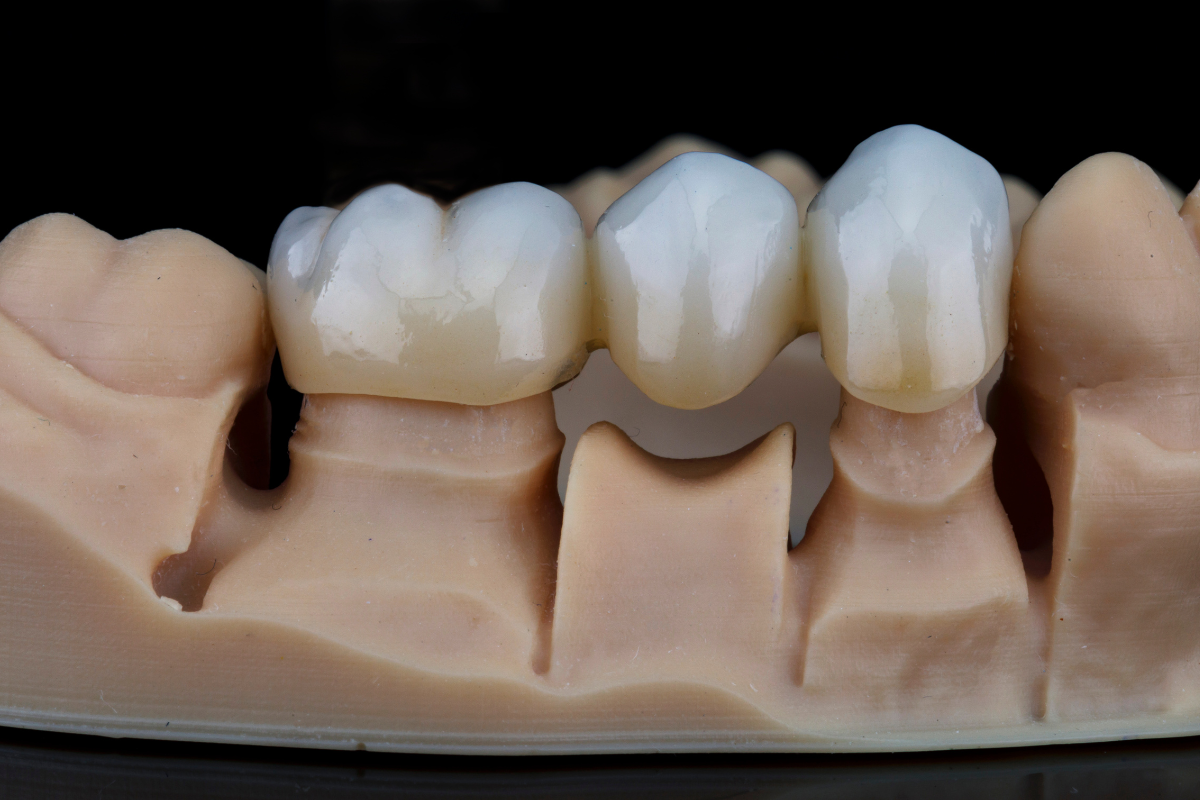
Slight shifting of neighboring teeth can occur over time when a gap is left unfilled. This is one reason dental professionals recommend exploring tooth replacement options after healing. Addressing the gap preserves proper alignment and bite function.
Q: Can patients drive themselves home after having a tooth removed?
For simple tooth removal surgeries with only local anesthesia, most patients can drive themselves home. However, if sedation is used, a responsible adult should drive the patient and stay with them for a few hours while the sedative wears off.
Q: How soon after an extraction can regular foods be eaten again?
Most patients can return to a normal diet within a week, though soft foods are recommended for the first few days. The dentist will give specific guidance based on the individual’s healing process and the complexity of the surgery.
Q: Does tooth removal surgery affect bone structure in the jaw?
Yes. Once a tooth root is removed, the jawbone no longer receives stimulation in that area. Over time, bone density in the socket can decrease. Dental implants are currently the only tooth replacement option that restores root-level stimulation and helps preserve the jawbone.
Q: What happens if a surgical site does not seem to be healing?
If pain increases rather than decreases after two or three days, or if the socket looks empty without a visible dark clot, dry socket may be the cause. A dental professional should be contacted promptly. Treatment is straightforward and brings fast relief.