Why Are Your Dental Crowns Causing Pain? What Southlake Locals Should Know


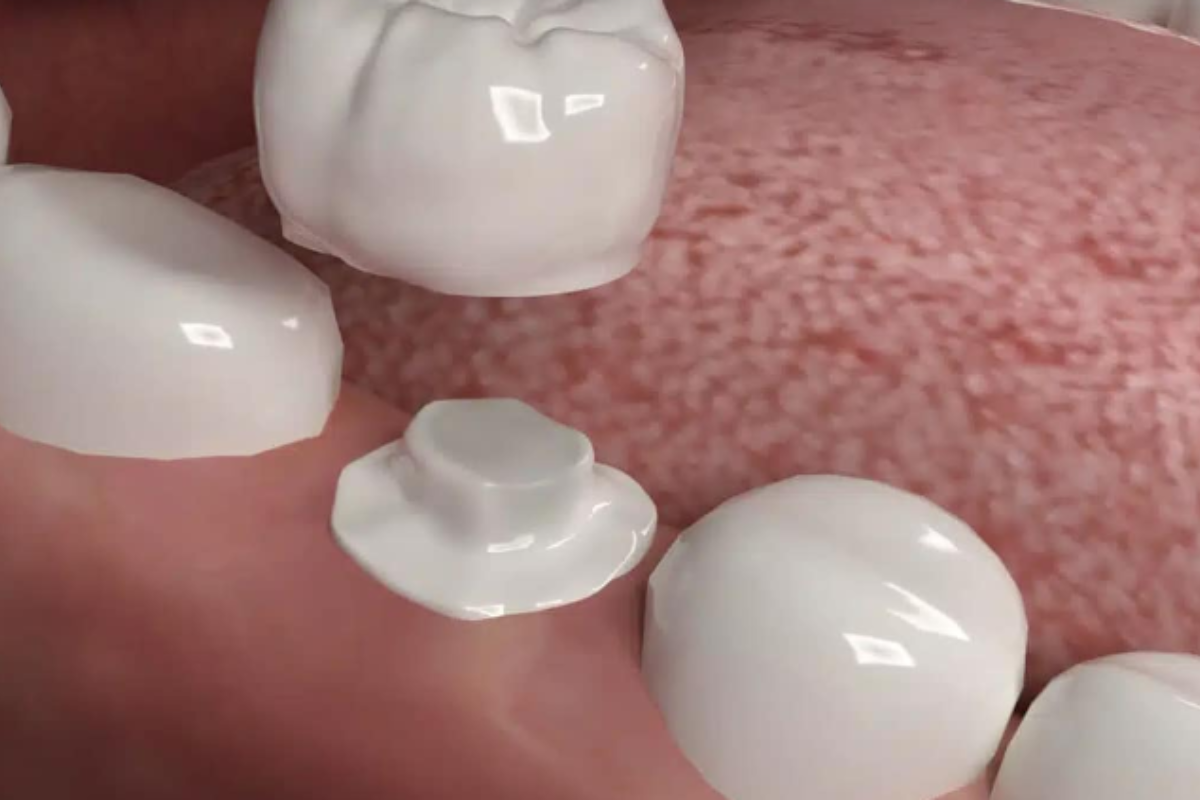
Having dental crowns recently placed might make you wonder why they cause pain, even if the procedure seemed to go smoothly. While it is normal to feel some mild discomfort immediately after getting a tooth cap, prolonged or sharp pain can indicate underlying issues. Southlake residents are no strangers to the hot Texas weather, where seasonal changes can sometimes affect dental sensitivity. Whether you are spending the day at Town Square or attending the Women’s Club Spring Gala, persistent discomfort in your dental work is a sign that something may be amiss.
Common Causes of Pain After Dental Crowns
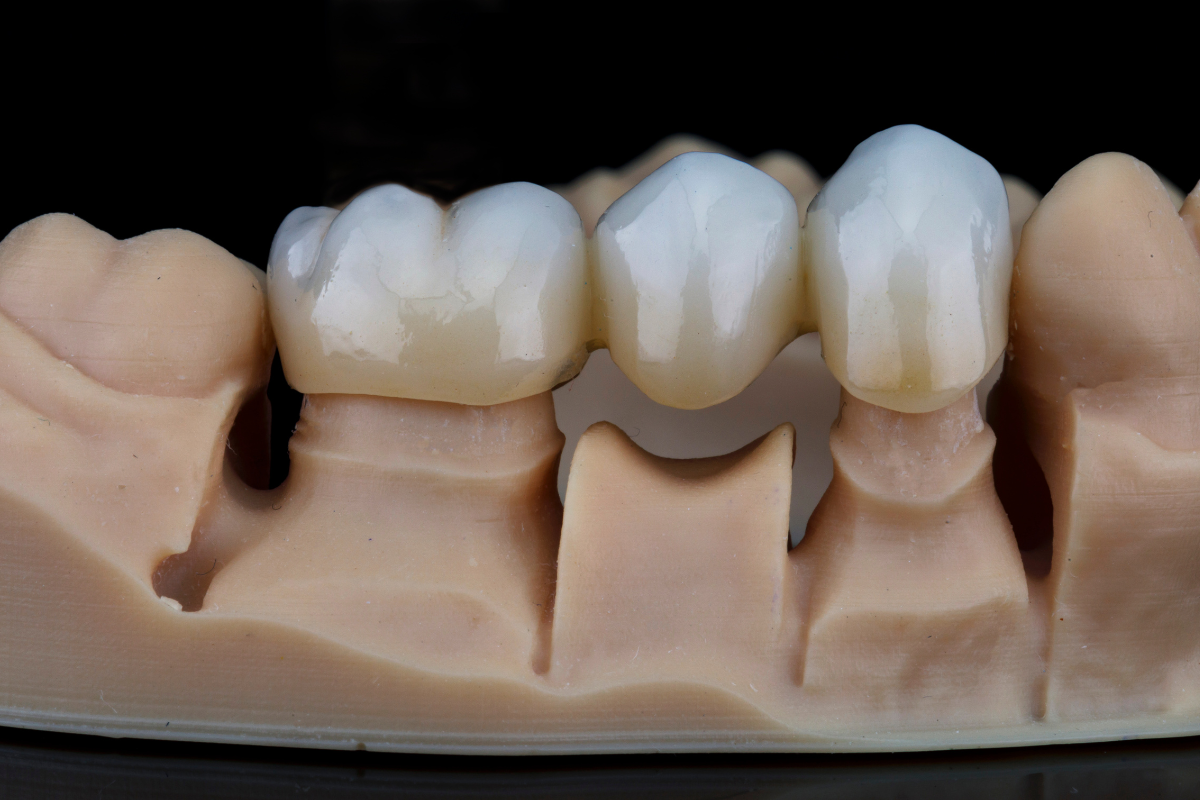
The capped teeth treatment is a common dental procedure used to restore damaged or decayed teeth. However, if you’re feeling persistent pain, here are some possible reasons why your dental crowns Southlake might hurt:
- The Crown is Not Properly Fitted
A tooth cap that is too “high” or misaligned can cause significant pain, particularly when you chew. If the crown doesn’t align perfectly with your bite, it creates pressure points that irritate the surrounding ligaments and nerves.
- Tooth Sensitivity
After a crown is placed, the tooth may remain sensitive to temperature changes. This is common if the enamel was significantly reduced or if there is residual inflammation in the pulp. While the crown covers the tooth, the margin near the gumline may still react to hot or cold substances.
- Gum Irritation
The gums surrounding the treated area can become irritated if the crown doesn’t fit flush with the gumline or if excess dental cement is left behind. This leads to inflammation, which causes soreness when brushing or flossing.
- Nerve Damage or Infection
In some cases, the decay that necessitated the crown may have been deep enough to affect the tooth’s pulp. If the nerve becomes infected or traumatized, it can cause a persistent ache. This is particularly noticeable when biting down on firm foods, like the BBQ brisket from local Southlake favorites.
- A Loose or Damaged Crown
Over time, a crown may become loose due to wear or the failure of the bonding cement. This exposes the sensitive underlying tooth to bacteria and debris, leading to discomfort and potential decay.
When to Seek Professional Help
If you have recently received dental crowns in Southlake, you should monitor your recovery. Contact your dentist if you experience the following:
- Persistent Pain: If discomfort lasts more than a few days or increases in intensity.
- Localized Swelling: Inflammation of the gums or a “pimple” on the gumline (which could indicate an abscess).
- Bite Issues: If it feels like you are hitting the crowned tooth before your other teeth when you close your mouth.
Get Relief from Crown Pain
You deserve to smile without discomfort, whether you’re hiking at Bear Creek Park or grabbing a coffee at Cool River Café. If your dental work doesn’t feel quite right, seeking a professional evaluation is the best way to prevent further complications. Wright Smiles is here to help restore your comfort and ensure your restorative work lasts for years to come.
FAQs
Why do my capped teeth hurt after a few weeks?
If pain develops weeks later, it is often due to a bite misalignment (the crown is too high) or an underlying pulp infection that has finally manifested.
Can a dental cap be adjusted if it’s causing pain?
Yes. A dentist can perform a simple adjustment to file down high spots on the crown, which usually provides immediate relief.
What should I do if my tooth cap feels loose?
Avoid chewing on that side and schedule an appointment immediately. A loose crown can trap bacteria, leading to rapid decay of the natural tooth structure underneath.
Is it normal for a tooth to be sensitive after a procedure?
Minor sensitivity to cold is normal for 1–2 weeks. However, lingering pain or sensitivity to heat often indicates a more serious nerve issue.