How Long Do Dental Crowns Last? Tips for Maximizing Their Lifespan


You just invested in a dental crown — and now you’re wondering how long it will actually last.
That’s a smart question to ask. A crown is one of the most common and effective restorations in dentistry, but it’s also a real investment of your time and money. You deserve to know exactly what you’re getting, how long it should hold up, and what you can do to protect it for as long as possible.
The honest answer? It depends on several factors — the type of crown, where it’s placed, how well you care for it, and how often you follow up with your dentist.
Whether you just received dental crowns in Southlake or you’re still weighing your options, this guide gives you everything you need to know — from realistic lifespan expectations to the everyday habits that will help your crown go the distance.
What Is a Dental Crown — and Why Does It Matter?
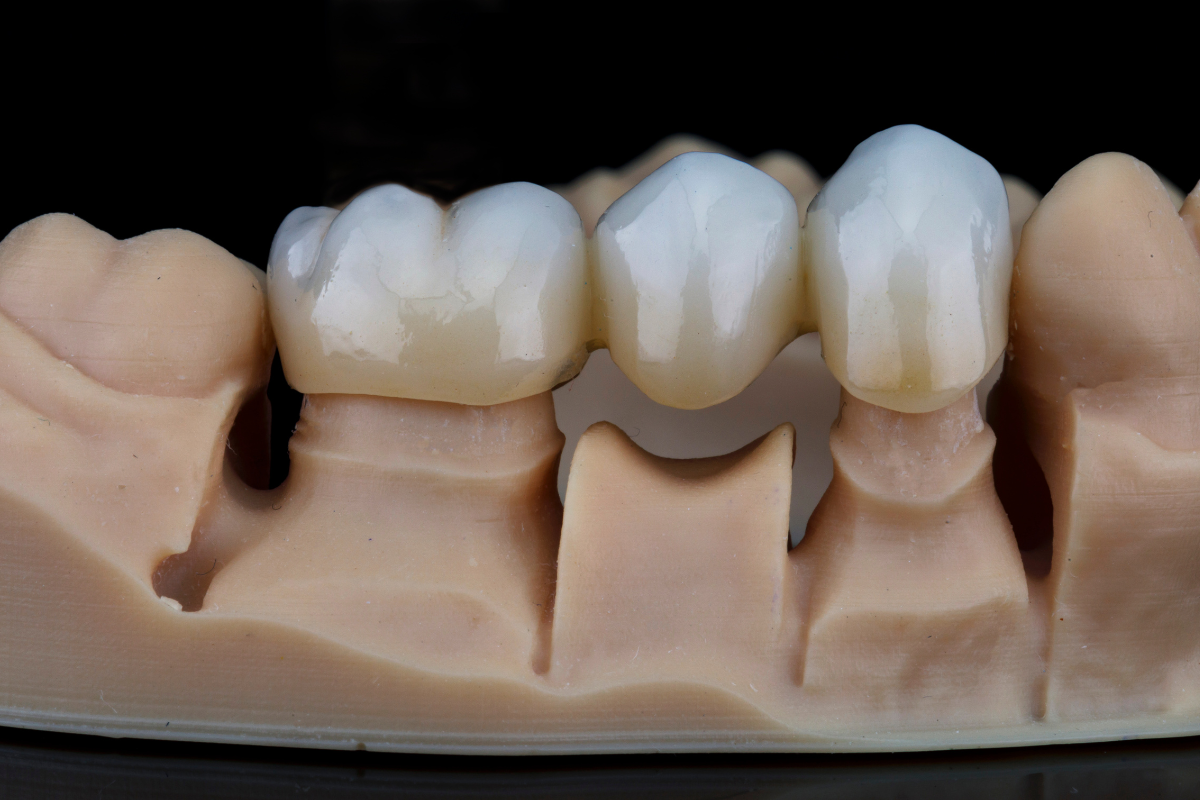
A dental crown is a custom-made cap that fits over a damaged, decayed, or weakened tooth. It restores the tooth’s shape, size, strength, and appearance — allowing you to chew, speak, and smile with confidence.
Crowns are recommended for a range of situations, including:
- A tooth with a large cavity that a filling can’t adequately support
- A cracked or fractured tooth that needs to be held together
- A tooth that has been treated with a root canal
- A worn-down tooth from grinding or acidic erosion
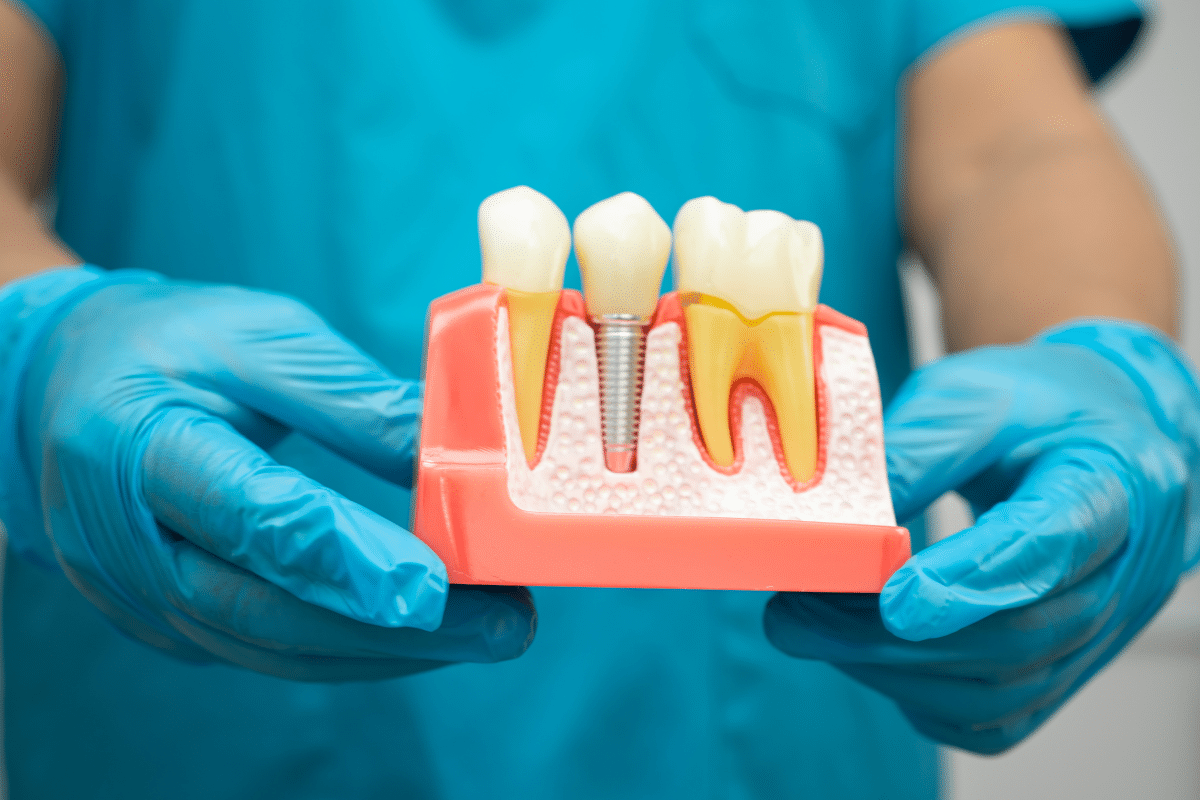
- A dental implant that needs a visible, functional tooth replacement
When placed correctly and cared for properly, a dental crown can function just like a natural tooth for many years — sometimes decades.
How Long Do Dental Crowns Last? A Realistic Breakdown
The lifespan of a dental crown varies depending on the material it’s made from. Here’s what current dental research and clinical experience tell us:
| Crown Type | Typical Lifespan | Strengths | Considerations |
| Porcelain-fused-to-metal | 10–15 years | Strong & natural-looking | May show metal line at gum |
| All-ceramic / porcelain | 10–15 years | Most natural appearance | Can chip under heavy force |
| Gold / metal alloy | 20–30+ years | Extremely durable | Less natural in color |
| Zirconia | 15–25 years | Strong, tooth-colored | Minimal wear on opposing teeth |
On average, most dental crowns last between 10 and 15 years with proper care. High-quality materials like zirconia or gold, combined with good oral hygiene and regular dental visits, can push that number significantly higher.
The placement of the crown also matters. Crowns on back molars experience more chewing pressure than those on front teeth, which can affect longevity over time.
What Affects How Long a Crown Lasts?
Even the best crown won’t last forever without the right conditions. These are the most significant factors that determine whether your crown reaches 10 years — or 25.
Key Factors That Influence Crown Lifespan
- Oral hygiene habits — Brushing twice daily and flossing around the crown prevent decay at the margin
- Bite and teeth grinding — Bruxism (grinding) puts excessive force on crowns and shortens their life.
- Diet — Hard, sticky, or chewy foods can crack or dislodge a crown over time
- Crown material — Some materials are naturally more durable under heavy chewing forces.
- Dental visit frequency — Routine checkups catch early issues before they cause crown failure
- Placement quality — A well-fitted crown placed by an experienced dentist lasts far longer
Of all these factors, grinding your teeth at night is one of the most damaging things you can do to a crown — and it often happens while you’re asleep. If your dentist has mentioned bruxism, a custom nightguard is one of the best investments you can make to protect your dental work.
8 Proven Tips to Make Your Crown Last as Long as Possible
You have more control over your crown’s lifespan than you might think. Follow these evidence-based tips to protect your investment and avoid premature failure.
- Brush twice daily — Pay extra attention to the gumline around your crown where bacteria and plaque tend to accumulate. Use a soft-bristled toothbrush.
- Floss every day — Flossing around a crown is essential. Gently guide the floss under the gumline to remove debris without pulling on the crown.
- Avoid biting hard objects — Ice, hard candy, pens, and fingernails can crack or chip your crown — especially porcelain varieties.
- Limit sticky and chewy foods — Caramel, gummy candy, and very chewy foods can pull at the crown’s seal or dislodge it entirely.
- Wear a nightguard if you grind — Ask your dentist about a custom-fitted nightguard to protect your crown from bruxism damage while you sleep.
- Rinse with fluoride mouthwash — Fluoride helps protect the natural tooth structure at the margin where the crown meets your tooth.
- Avoid using your teeth as tools — Opening packaging, tearing tape, or cracking nuts puts unnatural stress on your crown and surrounding teeth.
- See your dentist regularly — Routine checkups allow your dentist to examine the crown’s fit, check the surrounding gum tissue, and spot any early signs of wear or decay.
Warning Signs Your Crown May Need Attention
Dental crowns don’t usually fail all at once — they show warning signs first. Catching these early can save you from a more involved and costly repair.
Contact your dentist if you notice any of the following:
- Pain or sensitivity when biting down may indicate the crown fit has shifted or decay has developed underneath.
- Sensitivity to hot or cold can signal that the margin seal has been compromised.
- Visible cracks or chips on the crown surface
- The crown feels loose or shifts slightly when you bite.
- Swollen or tender gums directly around the crown
- A noticeable gap or dark line between the crown and your gum
Don’t ignore these signs or assume they’ll resolve on their own. A crown that needs prompt attention is almost always far less costly to repair than one that has been left to worsen.
When Is It Time to Replace a Crown?
Even well-maintained crowns eventually reach the end of their lifespan. Here are the clearest indicators that it’s time for a replacement:
- The crown has been in place for 15 or more years and is showing visible wear.
- Decay has developed at the margin between the crown and the natural tooth.
- The crown is cracked, broken, or structurally compromised.
- The gum tissue has receded significantly, exposing the root below the crown.
- X-rays reveal a problem with the tooth or bone beneath the crown.
Replacing a crown on schedule — rather than waiting for a dental emergency — is almost always the easier, less expensive path. Your dentist will monitor your crown at every routine visit and let you know when the time is right.
Expert Crown Care at Wright Smiles
At Wright Smiles, we take crown restorations seriously — from the initial preparation to the final fit and every follow-up in between.
We use high-quality crown materials chosen specifically for each patient’s bite, aesthetic preferences, and long-term needs. Our team takes the time to explain your options clearly, answer every question you have, and make sure your crown feels completely natural from day one. Schedule Your Crown Consultation Today.
Your Crown Is Worth Protecting — Let’s Make Sure It Lasts
A dental crown is one of the most reliable tools in modern dentistry. With the right material, proper daily care, and consistent professional follow-up, your crown can serve you well for well over a decade.
But that protection starts with choosing the right dental team — one that takes the time to fit your crown correctly, monitor it over time, and give you the honest, clear guidance you deserve.
At Wright Smiles, that’s exactly what we do for every patient who walks through our doors in Southlake.
Frequently Asked Questions About Dental Crowns
These are the questions patients most commonly ask us about dental crowns — answered honestly and clearly.
Q: How long does a dental crown last on average?
Most dental crowns last between 10 and 15 years with proper care. However, the actual lifespan depends on the crown material, your oral hygiene habits, your bite, and how consistently you visit the dentist. Gold and zirconia crowns often last 20 years or more, while porcelain crowns may require earlier replacement if they chip or wear down.
Q: What shortens the life of a dental crown?
The most common culprits are teeth grinding (bruxism), poor oral hygiene that allows decay to form at the margin, eating very hard or sticky foods, and skipping routine dental visits. If these issues are addressed early, most crown failures can be avoided or significantly delayed.
Q: Can a crown fall off, and what should I do?
Yes, a crown can become loose or fall off — usually because of decay under the crown, a weakened cement seal, or an injury. If this happens, keep the crown safe, avoid chewing on that side, and contact your dentist as soon as possible. In many cases, the same crown can be re-cemented if the underlying tooth is still intact.
Q: Does a crown ever need to be replaced before it wears out?
Sometimes, yes. A crown may need early replacement if decay develops underneath it, if the gum tissue around it recedes significantly, or if the crown cracks or chips in a way that affects its function or appearance. Your dentist will monitor the crown at each visit and let you know if early replacement is the right call.
Q: How do I know if I need a crown or just a filling?
A filling works well for small to moderate cavities where most of the tooth structure is still healthy. A crown is typically recommended when a tooth has a large cavity, a crack, or structural weakness that a filling can’t adequately support. Your dentist will take X-rays and examine the tooth to determine which option is most appropriate.
Q: Is getting a dental crown painful?
The procedure itself is performed under local anesthesia, so you should feel little to no discomfort during placement. Some patients experience mild sensitivity or soreness for a few days afterward as the tooth adjusts, but this typically resolves on its own. If pain persists beyond a week, contact your dentist.
Q: Can I get a crown on a dental implant?
Yes — and it’s actually the standard approach. A dental implant acts as an artificial root, and an implant crown is placed on top to restore the visible tooth. Implant crowns often last 15 to 25 years or more when properly maintained, making them one of the most durable tooth replacement options available.
Q: How much does it cost to replace a dental crown?
Crown replacement costs vary based on the material used, the complexity of the case, and your insurance coverage. Most dental insurance plans provide partial coverage for crown procedures. At Wright Smiles, we’re happy to review your benefits and walk you through all costs before any treatment begins — no surprises.