Can Wisdom Teeth Cause TMJ Disorder? Understanding the Connection


Many people wonder whether wisdom teeth — the third and final set of molars to come in — can lead to temporomandibular joint (TMJ) disorder. It’s a common question because wisdom teeth erupt in the same general area where jaw pain is often felt. However, the relationship between wisdom teeth and TMJ problems isn’t straightforward.
What Is TMJ Disorder?
The temporomandibular joints (TMJs) are the hinges that connect your lower jaw (mandible) to your skull. These joints allow you to chew, speak, and open your mouth. TMJ disorder — also called TMD — refers to conditions that cause pain or dysfunction in these joints and the muscles that control jaw movement. Symptoms may include jaw pain, limited jaw movement, and clicking or popping sounds.
According to medical research, TMJ disorder often results from muscle stress, joint inflammation, bruxism (teeth grinding), injury, or structural issues in the joint itself. Causes are varied, and in many cases, no clear single cause is found.
Do Wisdom Teeth Directly Cause TMJ Disorder?
No — wisdom teeth do not directly cause TMJ disorder. The joints are separate from the third molars, and there is no scientific evidence showing that the presence of wisdom teeth directly damages the TMJ.
Wisdom teeth are located much further back in the mouth than the TMJ structures, and the actual joint mechanics don’t involve the third molars. Poor bite alignment or TMJ issues can exist independently of wisdom tooth growth.
However, this doesn’t mean wisdom teeth have no relationship with jaw discomfort — the connection is usually indirect or secondary.
How Wisdom Teeth Can Contribute to TMJ-Like Symptoms
While wisdom teeth don’t cause TMD on their own, they can contribute to or worsen jaw pain in several ways:
- Jaw Misalignment and Bite Changes
Problematic wisdom teeth — especially impacted ones that grow at odd angles — can push against adjacent teeth. This pressure can subtly alter your bite (occlusion). Any change in how your upper and lower teeth meet can put uneven stress on jaw muscles and joints, which may lead to TMJ symptoms.
- Inflammation and Infection
Partially erupted or impacted wisdom teeth often trap food and bacteria, leading to inflammation or gum infections like pericoronitis. This inflammation can spread to the surrounding jaw muscles, causing stiffness and discomfort that may mimic or aggravate TMJ pain.
- Jaw Clenching and Teeth Grinding
Chronic discomfort from impacted wisdom teeth can make you unconsciously clench or grind your teeth (a habit known as bruxism). Bruxism puts substantial strain on the TMJ, contributing to pain and stiffness.
- Referred Pain
Jaw pain from wisdom tooth irritation or nerve pressure can radiate to nearby areas — including the TMJ, ears, or temples — making it hard to pinpoint the exact origin of the discomfort.
When Wisdom Teeth and TMJ Overlap
Because wisdom tooth issues and TMJ symptoms can co-occur, many people mistakenly assume one directly causes the other. While they can overlap, a thorough dental evaluation is necessary to identify the real source of your pain — whether it’s TMJ dysfunction, impacted wisdom teeth, or a combination of factors.
Managing Wisdom Teeth and Jaw Pain
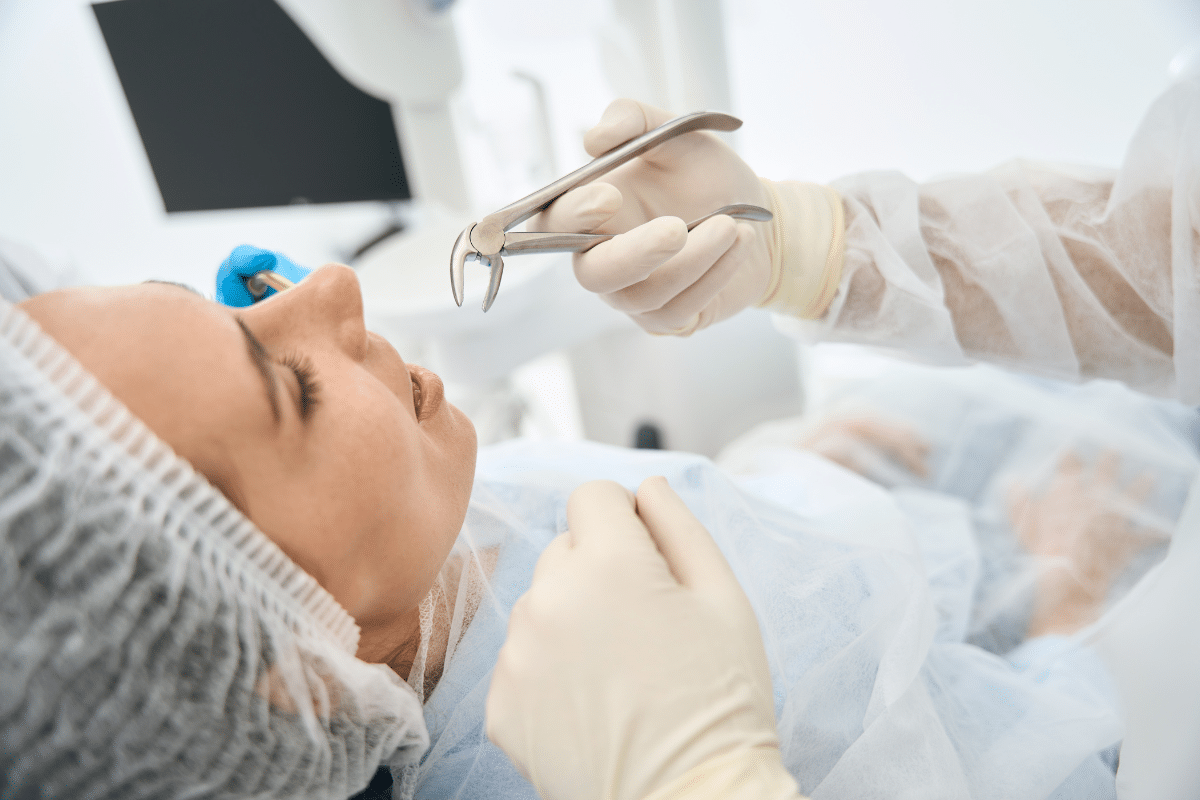
If your wisdom teeth are causing pain, crowding, or misalignment, your dentist may recommend extraction to prevent further complications. Removing problematic wisdom teeth can sometimes reduce jaw stress, but it won’t cure TMJ disorder if the joint itself is the primary issue.
For persistent jaw pain, treatments may include:
- Mouthguards or night guards to reduce teeth grinding
- Physical therapy for jaw muscles
- Stress reduction and relaxation techniques
- TMJ-focused dental appliances
- Professional evaluation to correct bite issues
Your dentist can tailor a treatment plan based on your specific symptoms and needs.
Understanding Your Jaw Health
While wisdom teeth don’t directly cause TMJ disorder, they can indirectly contribute to jaw discomfort through bite changes, inflammation, and muscle strain. If you’re experiencing persistent jaw pain or dysfunction, a dental exam can help you pinpoint the cause and find the right solution. Don’t ignore jaw pain — schedule an evaluation today to protect both your bite and your long-term oral health.