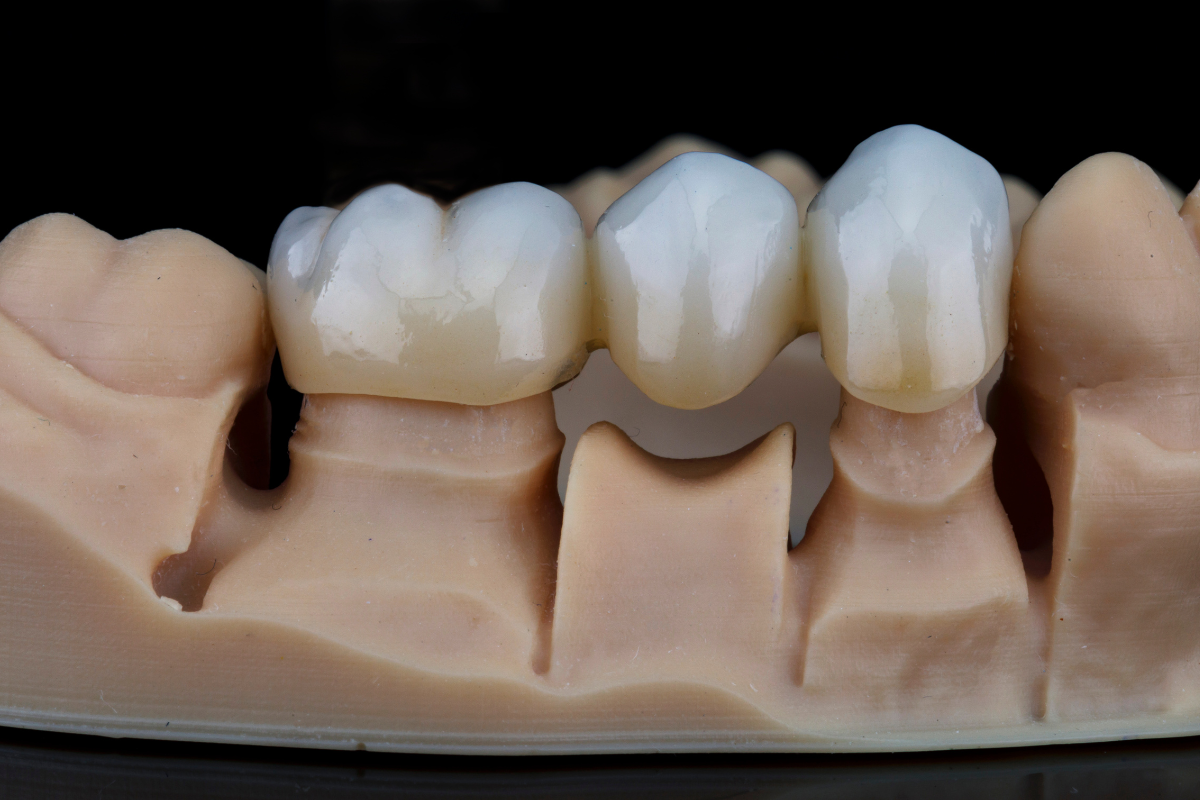
Why Dentists Recommend Root Canals Before Extraction


A root canal procedure is among the most successful methods for saving a severely infected tooth. Instead of removing the tooth, the procedure eliminates infection from inside the tooth, preserves its structure, and helps maintain normal chewing function.
Many parents are surprised to learn that saving a natural tooth is often the healthiest long-term option when infection reaches the inner portion of a tooth. Modern RCT is designed to relieve discomfort, stop infection, and protect your family’s oral health for years to come.
Families in the area often spend weekends exploring Southlake Town Square, enjoying local favorites, or gathering for community events, and the last thing anyone wants is a severe toothache disrupting those moments. At Wright Smiles, Dr. Paola Arcila and the team believe that educating patients is just as important as treating them. With decades of experience serving local families and advanced restorative dentistry solutions, our goal is to help patients make informed decisions about preserving their natural teeth. If you are experiencing persistent tooth pain, don’t wait; visit our dental office for a personalized evaluation.
According to the U.S. National Institute of Dental and Craniofacial Research, tooth decay remains one of the most common chronic diseases affecting both children and adults. Early intervention can often prevent severe complications and tooth loss.
Why is protecting the natural tooth so important?
Saving your natural tooth helps preserve normal chewing, speech, jawbone support, and bite alignment. Whenever possible, dentists prefer to maintain a patient’s original tooth rather than remove it.
Natural teeth work together as a system. When one tooth is lost, neighboring teeth can gradually shift into the empty space. Over time, this may affect bite function, chewing efficiency, and even jaw health.
Benefits of keeping a natural tooth include:
- Maintaining proper bite alignment
- Supporting healthy chewing function
- Preserving jawbone stimulation
- Preventing neighboring teeth from shifting
- Minimizing the requirement for more extensive treatment later.
This is why dentists often recommend root canal therapy before considering extraction whenever the tooth can still be restored.
What Happens When a Tooth Needs a Root Canal?
This procedure becomes necessary when bacteria reach the tooth’s pulp, where nerves and blood vessels are located. If left untreated, infection can extend further into the tooth and surrounding tissues.
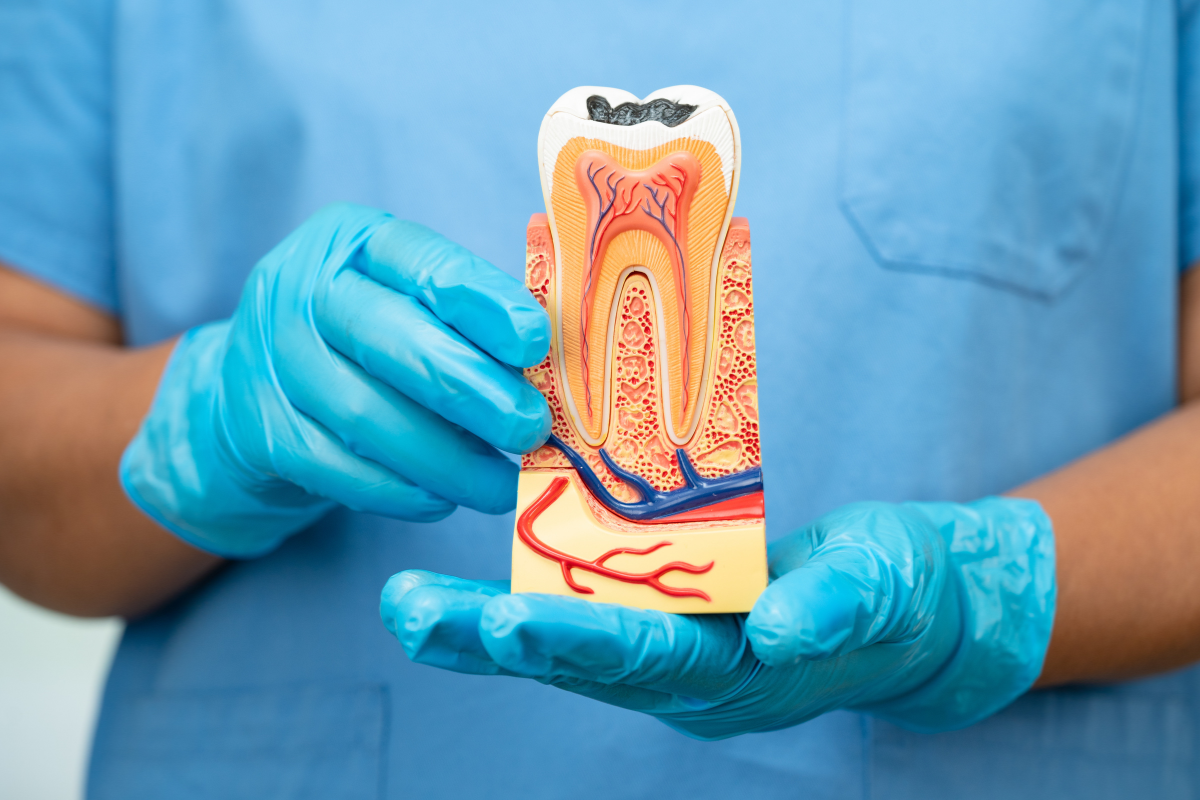
A healthy tooth contains several layers:
- Enamel: The hard outer protective layer.
- Dentin: The supportive layer beneath the enamel.
- Pulp: This center of the tooth contains nerves and blood vessels.
When decay, trauma, or a crack allows bacteria to enter the pulp, inflammation and infection can develop. At this stage, a filling alone may no longer solve the problem.
Common warning signs include:
- Persistent toothache
- Pain when chewing
- Sensitivity to hot or cold
- Swollen gums near the tooth
- Tooth discoloration
- A recurring pimple-like bump on the gum
These symptoms should never be ignored, as the infection can continue to spread.
How Does this Restorative Treatment Save the Tooth?
A root canal removes infected tissue from inside the tooth while preserving the outer structure. After cleaning and sealing the tooth, it can continue functioning normally.
During treatment, the dentist:
- Removes infected pulp tissue.
- Cleans and disinfects the internal canals.
- Seals the space with a biocompatible material.
- Restores the tooth, often with a crown for protection.
The procedure removes infection while keeping the natural tooth intact. Wright Smiles uses modern restorative techniques designed to make treatment comfortable while protecting long-term oral health.
Many patients are surprised that a root canal often feels similar to receiving a dental filling due to modern anesthetic techniques.
Root Canal vs. Tooth Extraction: Which Option Is Better?
In most situations, preserving a healthy natural tooth is preferable to removing it. Extraction is generally recommended only when a tooth cannot be successfully restored.
| Root Canal | Extraction |
| Preserves natural tooth | Removes natural tooth |
| Maintains bite alignment | Can lead to shifting teeth |
| Supports natural chewing | May require replacement options |
| Preserves jaw function | May contribute to bone loss |
| Often completed efficiently | Additional restoration may be needed |
Although extractions are sometimes necessary, keeping a natural tooth typically offers significant long-term advantages when restoration is possible.
Why Do Parents Need to Pay Attention to Dental Infections?
Untreated dental infections can worsen quickly and may affect everyday activities such as eating, sleeping, and concentrating.
Parents often focus on visible cavities but may not realize how rapidly decay can progress once it reaches the inner tooth structure.
Warning signs that deserve prompt attention include:
- A child avoiding certain foods
- Complaints of tooth pain
- Swelling around the gums
- Difficulty sleeping because of discomfort
- Increased sensitivity when eating hot or cold foods
Prompt treatment helps prevent complications and may increase the likelihood of saving the affected tooth.
When Should You Seek Professional Evaluation?
Persistent tooth pain, prolonged sensitivity, swelling, or discomfort while chewing should be evaluated as soon as possible.
Many patients delay treatment because they hope symptoms will disappear on their own. Unfortunately, infected pulp tissue cannot heal on its own.
If symptoms continue, the infection may:
- Spread deeper into the root.
- Affect the surrounding bone.
- Increase discomfort
- Lead to abscess formation.
- Increase the risk of tooth loss.
Seeking care early often leads to more predictable outcomes and fewer complications.
In fact, patients searching for root canal treatment in Southlake are often trying to avoid losing a tooth that could still be saved with timely intervention. Wright Smiles emphasizes conservative treatment whenever possible because preserving natural teeth remains a priority.
How Long Can a Root Canal-Treated Tooth Last?
With proper restoration and good oral hygiene, a root canal-treated tooth can often last for decades and, in many cases, a lifetime.
Long-term success depends on:
- Regular dental checkups
- Daily brushing and flossing
- Prompt treatment of new dental concerns
- Protecting the tooth with a recommended restoration
The goal is not simply to remove infection but to keep the tooth functional for many years.
Patients who receive our root canal treatment in Southlake often discover that preserving their natural tooth allows them to continue eating, speaking, and smiling confidently without the challenges associated with tooth loss.
Protect Your Smile by Saving Natural Teeth
When infection reaches the inside of a tooth, prompt treatment can make the difference between preserving your natural smile and losing a tooth. Root canal therapy remains one of the most effective procedures for eliminating infection while maintaining long-term oral function.
At Wright Smiles, our team focuses on conservative, patient-centered dentistry that prioritizes preserving healthy tooth structure whenever possible. If you or a family member is experiencing tooth pain, sensitivity, or signs of infection, don’t wait for symptoms to worsen. Visit our dental office for a comprehensive evaluation and personalized treatment plan. Book an Appointment today to learn how we can help protect your smile and determine the most appropriate solution for your specific dental needs.
Frequently Asked Questions
Is a root canal more painful than a filling?
Modern anesthetics make root canal treatment very comfortable. Most patients report that the procedure feels similar to receiving a filling and often provides relief from existing tooth pain.
Can a root canal prevent tooth extraction?
Yes. A root canal removes infection while preserving the natural tooth structure. When performed promptly, it often helps patients avoid extraction and maintain normal oral function.
How do I know if my child might need a root canal?
Persistent tooth pain, swelling, prolonged sensitivity, or discomfort while chewing can indicate pulp damage. A dental evaluation is necessary to determine the cause and treatment needed.
Will I need a crown after a root canal?
Many teeth benefit from a crown after treatment. The crown helps strengthen and protect the tooth, especially when a large amount of tooth structure has been affected.
How long does root canal treatment take?
Many root canals can be completed in a single visit. More complex cases involving multiple canals or significant infection may require additional appointments.
Can an infected tooth heal without treatment?
No. Once the pulp becomes infected, professional treatment is required. Delaying care can allow infection to spread and increase the risk of losing the tooth.
What is the biggest advantage of saving a natural tooth?
Keeping a natural tooth preserves normal chewing, bite alignment, and jaw support. It also helps avoid the challenges associated with replacing a missing tooth later.