What To Expect When You Undergo Cavity Treatment?


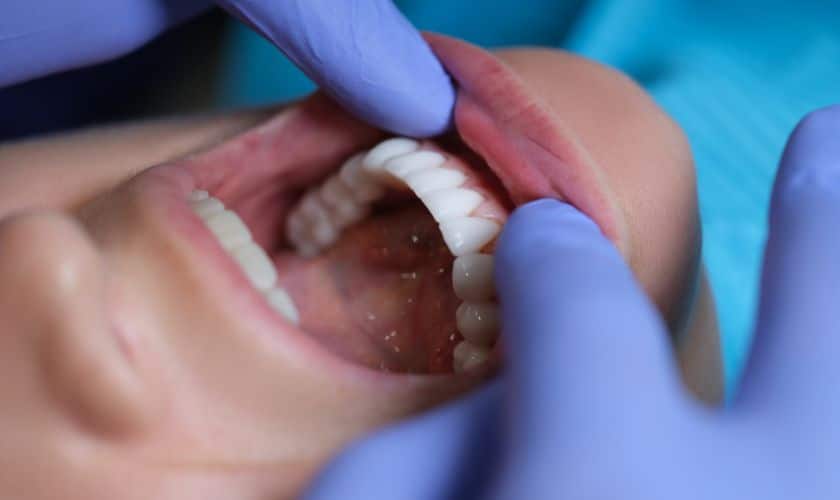
Cavity treatment is a standard dental procedure many people undergo at some point in their lives. Whether it’s a small filling or a more extensive procedure like a root canal, knowing what to expect can help alleviate anxiety and ensure a smoother experience. In this article, we’ll walk you through the typical steps involved in cavity treatment so you can feel prepared and informed.
Initial Assessment and Diagnosis
The first step in cavity treatment is usually an initial assessment and diagnosis by your dentist. During this visit, your dentist in Southlake will examine your teeth and may use dental X-rays to assess the extent of the decay. Based on their findings, they will recommend an appropriate treatment plan tailored to your specific needs.
Discussion of Treatment Options
Once the diagnosis is made, your dentist will discuss the treatment options with you. Depending on the size and location of the cavity, as well as your overall oral health, treatment options may include:
- Dental Fillings: Your dentist may recommend a dental filling for minor to moderate cavities. This involves removing the decayed portion of the tooth and filling the space with a dental material such as composite resin, amalgam, or porcelain.
- Root Canal Therapy: If the decay has reached the pulp of the tooth, causing infection and inflammation, a root canal treatment in Southlake may be necessary. During this procedure, the infected pulp is removed, and the inside of the tooth is cleaned and sealed to prevent further infection.
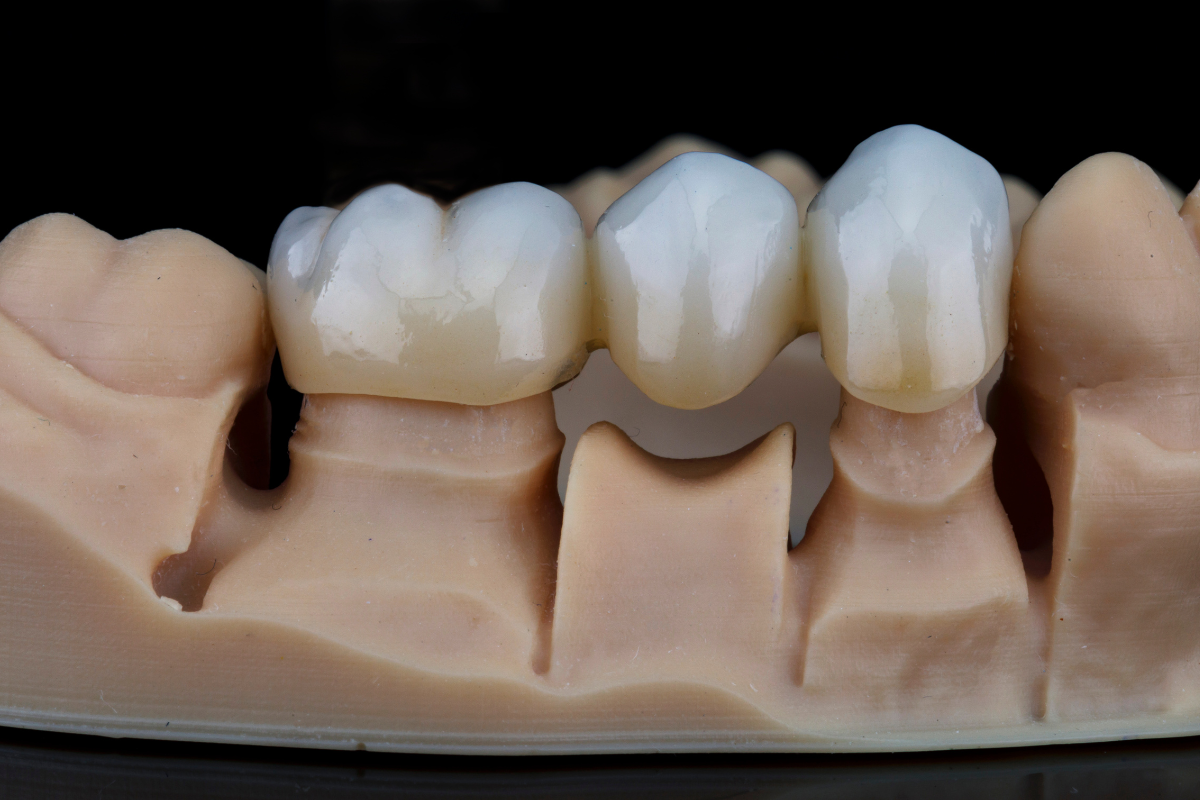
- Crown Placement: In cases where a large portion of the tooth is decayed or damaged, a dental crown in Southlake may be recommended to restore its shape, size, and strength. The decayed portion of the tooth is removed, and a custom-made crown is placed over the remaining structure.
Preparing for the Procedure
Before the cavity treatment, your Southlake dentist will numb the area around the affected tooth to ensure you’re comfortable. Depending on the complexity of the procedure, they may also offer sedation options to help you relax if needed.
Cavity Treatment Procedure
The cavity treatment procedure itself will vary depending on the chosen treatment option. For dental fillings, the decayed portion of the tooth is first removed using a dental drill or laser. Once the decay is removed, the tooth is cleaned, and the filling material is placed and shaped to restore the tooth’s structure and function.
If you’re undergoing a root canal treatment, your dentist will access the inside of the tooth through the crown, remove the infected pulp, and clean the area thoroughly. The inside of the tooth is then filled and sealed to prevent reinfection, and a temporary or permanent filling is placed over the access point.
The tooth is prepared for crown placement by removing any decayed or damaged portions and reshaping it to accommodate the crown. Impressions of the tooth are then taken to create a custom-made crown that fits perfectly over the prepared tooth. The crown is cemented, restoring the tooth’s appearance and function.
Aftercare and Recovery
After the cavity treatment, your dentist will provide instructions for aftercare and recovery. This may include:
- Avoiding hard or sticky foods: To prevent dislodging the filling or crown.
- Practicing good oral hygiene: Brushing and flossing regularly and using an antimicrobial mouthwash.
- Attending follow-up appointments: To ensure successful treatment and monitor your oral health.
Potential Risks and Complications
While cavity treatment is generally safe and effective, there are some potential risks and complications to be aware of, including:
- Sensitivity: You may experience temporary sensitivity to hot, cold, or pressure after the procedure, which should subside over time.
- Infection: In rare cases, infection or inflammation may occur following cavity treatment, requiring further intervention by your dentist in Southlake.
- Allergic reactions: Some individuals may be allergic to certain dental materials used in fillings or crowns, so be sure to inform your Southlake dentist of any allergies or sensitivities you have.
Undergoing cavity treatment may seem daunting, but knowing what to expect can help alleviate anxiety and ensure a smoother experience.
Conclusion
By understanding the steps involved in cavity treatment, from initial assessment and diagnosis to aftercare and recovery, you can feel more confident and prepared for your dental procedure. Remember to follow your dentist’s instructions for aftercare and attend any follow-up appointments to maintain your oral health for years to come. For meticulous dental work in Southlake and the best outcomes, contact Wright Smiles.