Dental Crowns: FAQs


Have you been spending time lately learning everything you can about crowns? Did we recently recommend a dental crown to improve your oral health and protect your smile, but you still have some questions about it?
The good news is that crowns often provide a last resort solution to a tooth that has become too damaged for other options, so you can breathe a sighHave you been spending time recently learning about dental crowns? Did we recommend a crown to improve your oral health and protect your smile, but you still have some questions?
The good news is that crowns often serve as a last resort for teeth that are too damaged for other treatments, so you can feel relieved that extraction isn’t necessary. However, we understand that you may need more information about this restoration to feel completely confident.
To help clarify your concerns, we’ve compiled answers to some frequently asked questions about crowns.
Frequently Asked Questions: Crowns
Question: Are you sure I need a crown? Isn’t there another treatment that will work for me?
Answer: We always prioritize conservative treatment options. We will thoroughly examine your tooth through visual inspections and digital X-rays to determine the best course of action. If we recommend a crown, it’s because other treatments, like fillings, may leave your tooth vulnerable to further issues.
Question: Do I have options for the material used in my dental crown? I want my smile to look natural so that nobody knows I’ve had dental work done.
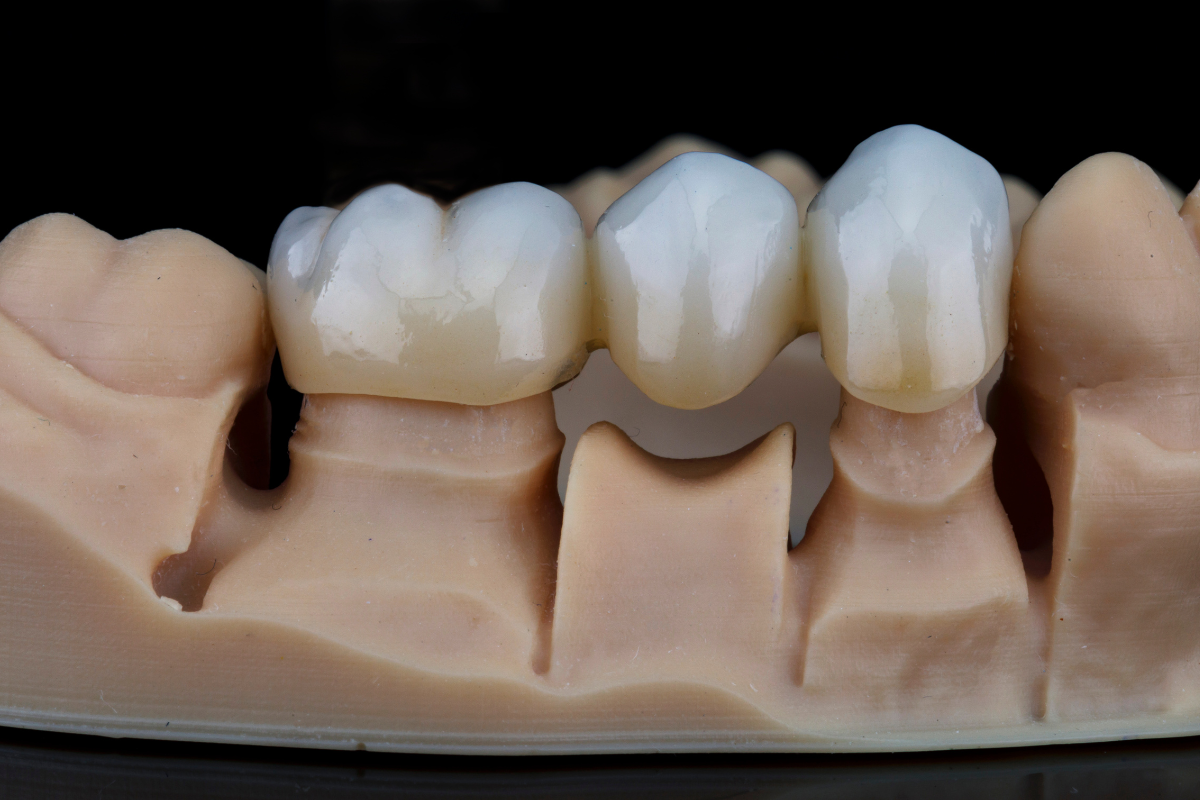
Answer: Yes, you do have options. We typically use Emax porcelain crowns or zirconia. These materials are designed to mimic the appearance of natural teeth, and we will match them to the shade of your surrounding teeth to ensure that your smile looks beautiful and genuine.
Question: How do you ensure the crown fits correctly in my mouth? Who will make my crown, and will it interfere with my ability to chew?
Answer: We will take impressions of your smile and send them to a dental lab with which we collaborate. A skilled technician will create your dental crown to ensure it fits properly without interfering with your ability to chew.Have you been spending time recently learning about dental crowns? Did we recommend a crown to improve your oral health and protect your smile, but you still have some questions?
Conclusion
The good news is that crowns often serve as a last resort for teeth that are too damaged for other treatments, so you can feel relieved that extraction isn’t necessary. However, we understand that you may need more information about this restoration to feel completely confident.