How to Care for Your Dental Crown to Make It Last


A dental crown restores strength, protects a damaged tooth, and brings back confidence when you speak or laugh. The last thing you want is for that crown to chip, loosen, or fail earlier than expected. Many patients assume crowns are permanent and require no special care. The truth is, how you treat your crown every day directly affects how long it lasts.
If you recently received dental crowns in Southlake or are considering treatment, understanding proper care can help you protect your investment and avoid unnecessary repairs.
At Wright Smiles, we believe long-term results depend not only on precise placement but also on patient education and preventive habits.
The Problem: Why Dental Crowns Fail Prematurely
Dental crowns are durable, but they are not indestructible.
Common reasons crowns fail include:
- Poor oral hygiene
- Teeth grinding (bruxism)
- Biting hard objects
- Gum disease
- Delayed dental visits
- Decay under the crown margin
Even the strongest materials can weaken if the underlying tooth or surrounding gum tissue becomes compromised.
Patients searching for dental crowns Southlake often ask, “How long will my crown last?” The answer depends largely on daily care and regular professional monitoring.
Why Proper Crown Care Matters
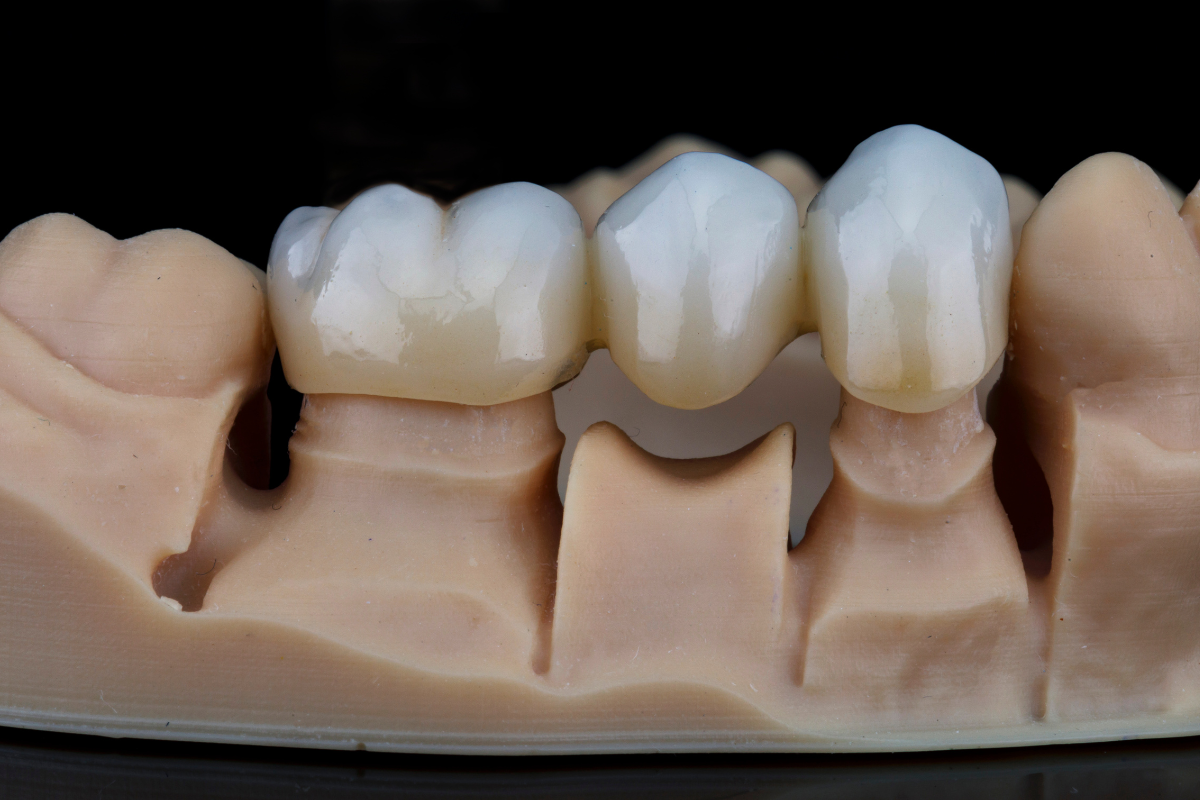
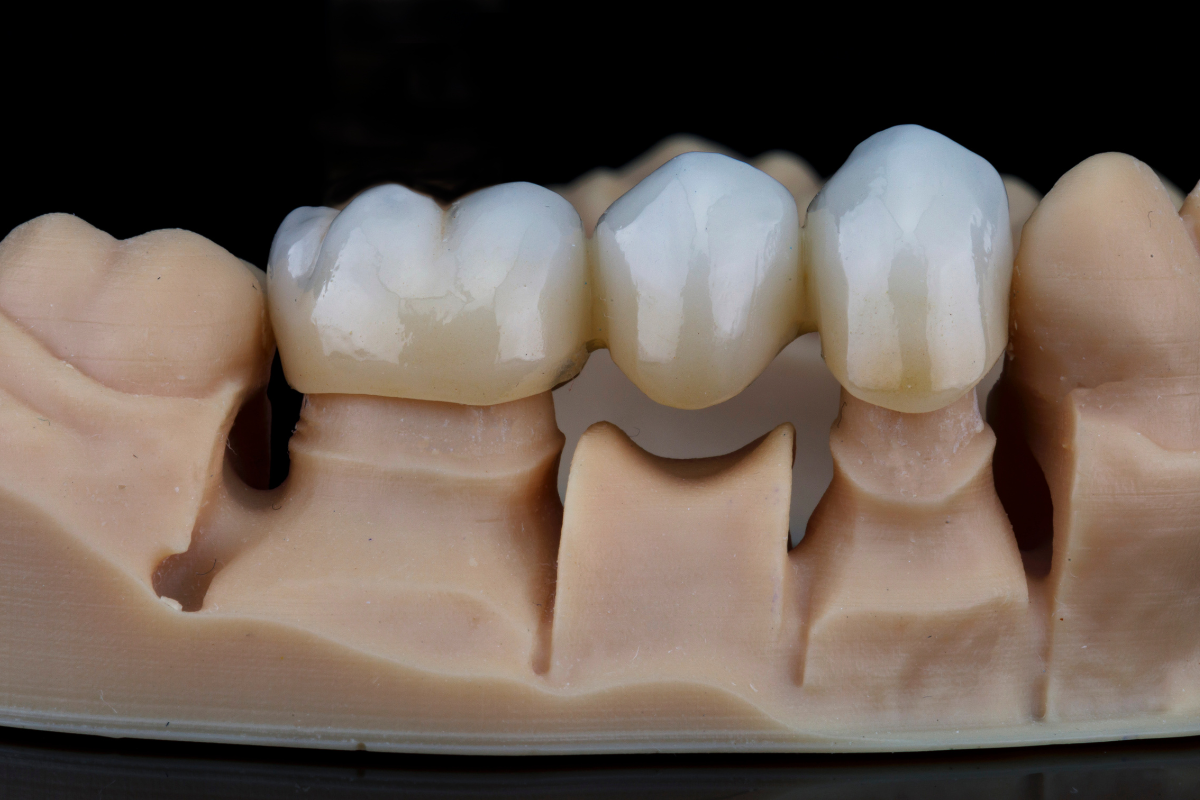
A dental crown protects a damaged tooth, but the natural tooth structure underneath still needs care. Plaque can accumulate at the edge of the crown where it meets the gumline. If bacteria build up, decay can develop beneath the crown without visible warning.
Proper maintenance helps:
- Extend the life of your crown.
- Prevent reinfection
- Protect surrounding teeth
- Maintain gum health
- Avoid costly replacements
With the right habits, many crowns can last 10 to 15 years or longer.
The Risks of Neglecting Your Crown
Ignoring proper care can lead to complications such as:
- Gum inflammation
- Recurrent decay
- Crown loosening
- Tooth fracture
- Need for root canal therapy.
- Extraction in severe cases
A crown is meant to restore function and strength, but neglect can shorten its lifespan.
Small habits make a major difference.
Dental Crowns in Southlake: How to Care for Them the Right Way
Modern dental crowns in Southlake are designed for durability and natural appearance. However, daily care is essential for long-term success. Follow these practical steps to protect your restoration.
- Brush Thoroughly Twice Daily
Use a soft-bristled toothbrush and fluoride toothpaste. Pay close attention to the gumline where the crown meets your natural tooth. Gentle, consistent brushing removes plaque before it hardens into tartar.
- Floss Carefully Around the Crown
Flossing is critical. Slide the floss gently along the side of the crown and lift it out rather than snapping upward. This prevents unnecessary pressure on the restoration.
- Avoid Hard or Sticky Foods
Chewing ice, hard candy, or sticky caramel can weaken or dislodge a crown. While crowns are strong, they are not designed to withstand excessive force.
- Wear a Night Guard If You Grind
Teeth grinding places extreme pressure on restorations. A custom night guard protects both your crown and natural teeth while you sleep.
- Keep Routine Dental Appointments
Regular exams allow your dentist to check crown integrity, gum health, and bite alignment. Early detection prevents larger problems.
- Address Sensitivity Promptly
Mild sensitivity may occur after placement, but persistent discomfort should be evaluated quickly to prevent complications.
The Professional Difference
The longevity of your crown begins with precise placement and proper bite alignment. At Wright Smiles, each Dental crown treatment is carefully planned to ensure accurate fit and long-term stability.
Patients in and around Southlake, TX, trust our approach because we combine advanced technology with preventive guidance. Every crown is evaluated not just for appearance, but for function and durability.
When a restoration is monitored consistently, small adjustments can prevent major repairs.
When to Call Your Dentist
Contact your dental provider if you notice:
- Pain when biting
- A loose or shifting crown
- Swelling around the gumline
- Visible cracks
- Persistent sensitivity
Early attention protects the tooth underneath and prevents more complex procedures later.
Make Your Crown Last — Plan Your Next Visit Now
A dental crown is an investment in your comfort and confidence. Protecting it requires consistent care and professional oversight. If you have questions about maintaining dental crowns in Southlake, or if it has been more than six months since your last exam, now is the time to schedule a visit.
We provides comprehensive care designed to help your restorations last as long as possible.
Call today to book your appointment and keep your smile strong for years to come.
Frequently Asked Questions
How long do dental crowns last?
With proper care, crowns can last 10 to 15 years or longer. Longevity depends on oral hygiene, bite habits, and regular dental visits.
Can a crown get a cavity?
Yes. Decay can develop at the margin where the crown meets the natural tooth if plaque accumulates.
Is it normal for a crown to feel sensitive?
Mild sensitivity after placement can occur. Persistent or worsening sensitivity should be evaluated.
What foods should I avoid with a crown?
Avoid chewing ice, hard candy, popcorn kernels, and sticky foods that can pull at the crown.
Do crowns require special toothpaste?
Fluoride toothpaste is recommended. For patients with sensitivity, desensitizing toothpaste may help.
Can a crown fall off?
Crowns can loosen if the cement weakens or if decay develops underneath. Prompt dental evaluation is important.
Do I still need cleanings if I have a crown?
Yes. Professional cleanings help prevent gum disease and protect the natural tooth under the crown.
What happens if a crown cracks?
A cracked crown should be assessed immediately. Depending on the damage, it may need repair or replacement.