Is Winter the Right Time for Dental Implants? What Southlake Patients Should Know


Losing a tooth can affect much more than your appearance. It can make chewing uncomfortable, change the way you speak, and leave you feeling less confident about your smile. If you have been thinking about replacing missing teeth, winter may be a convenient time to explore your options and take the first step toward a healthier, more complete smile.
For patients considering dental implants in Southlake, the colder months can offer some practical advantages. With holiday breaks, more opportunities to spend time at home, and a chance to prioritize personal health before the new year, winter can fit naturally into your treatment plans.
However, it is important to understand that colder weather does not automatically make dental implants heal faster. Your recovery depends on several factors, including your oral health, bone condition, overall health, and how carefully you follow your dentist’s aftercare instructions.
Here is what you should know about planning dental implant treatment during winter and how to make your recovery as comfortable as possible.
Why Winter Can Be a Convenient Time to Get Dental Implants
Dental implant treatment is not limited to a particular season. You can receive implants throughout the year, provided you are a suitable candidate.
That said, winter can make treatment planning easier for some patients. Here are a few reasons why.
- More Opportunities to Prioritize Rest and Recovery
The first few days following dental implant surgery are important. Your body needs time to recover, and your dentist may recommend temporarily avoiding strenuous physical activities.
During winter, many people naturally spend more time indoors. School breaks, holiday vacations, and flexible work schedules can make it easier to plan a few days of rest after treatment.
Taking time away from demanding activities may also help you follow your postoperative instructions more consistently.
Remember, the goal is not simply to stay indoors. It is to give your body the time and care it needs to heal properly.
- Easier Meal Planning With Soft, Nutritious Foods
After dental implant surgery, your dentist may recommend eating soft foods while the surgical area begins to heal.
Winter meals can make this adjustment easier. You can include several nutritious options that require minimal chewing, such as:
- Warm (not hot) vegetable soups
- Mashed potatoes
- Soft scrambled eggs
- Oatmeal
- Yogurt
- Smoothies eaten with a spoon
- Well-cooked vegetables
Protein, vitamins, and minerals are important for normal tissue repair and overall health. Eating a balanced diet while following your dentist’s dietary instructions can support your recovery.
Avoid hard, crunchy, sticky, or chewy foods until your dental professional confirms that it is safe to return to your regular diet.
- A Chance to Plan Treatment Around Your Schedule
The end of the year often gives people an opportunity to review their health priorities and plan upcoming treatments.
If you have been postponing tooth replacement, winter may be a good time to schedule a consultation and understand your options.
Starting the process during this season also gives you an opportunity to discuss the treatment timeline, possible preparatory procedures, and follow-up appointments before making a decision.
Keep in mind that dental implants require a personalized treatment plan. Depending on your needs, treatment may involve multiple stages over several months.
- Time to Focus on Your Oral Health Before the New Year
A missing tooth is not just a cosmetic concern. When a tooth is lost, the surrounding teeth may gradually shift into the empty space. You may also experience changes in chewing function and jawbone structure over time.
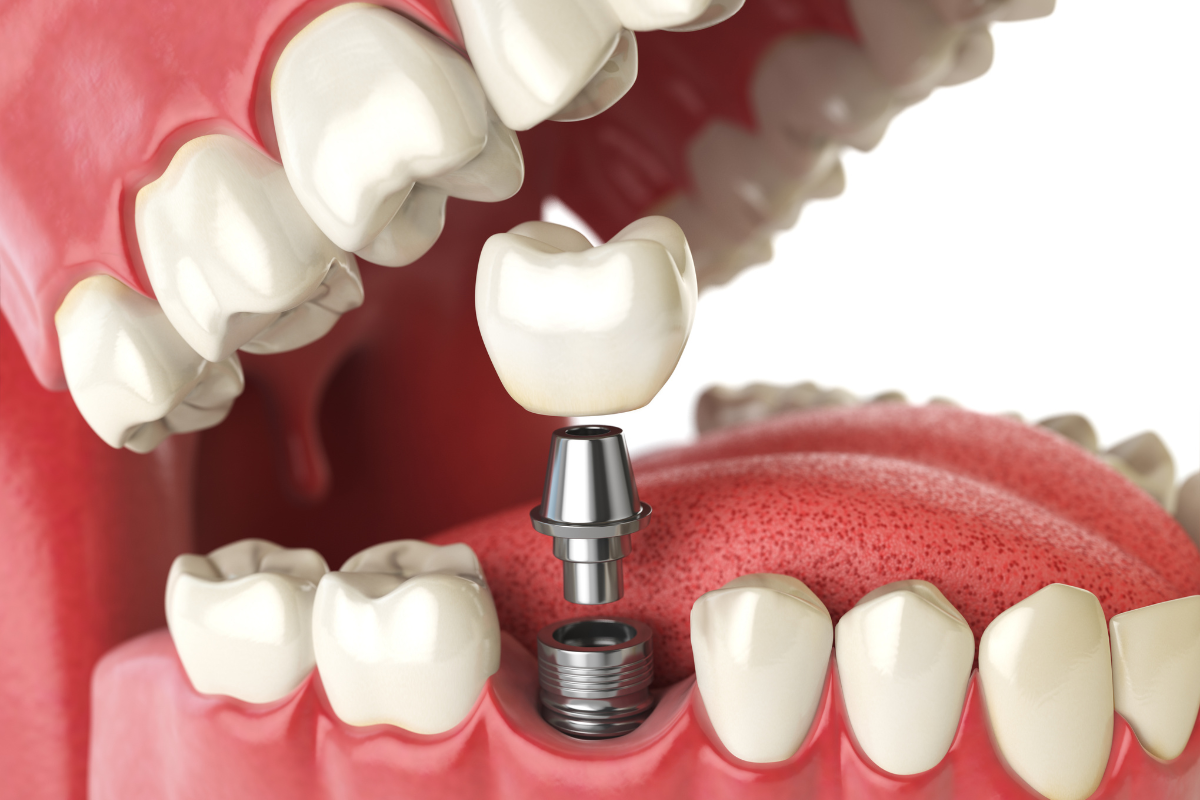
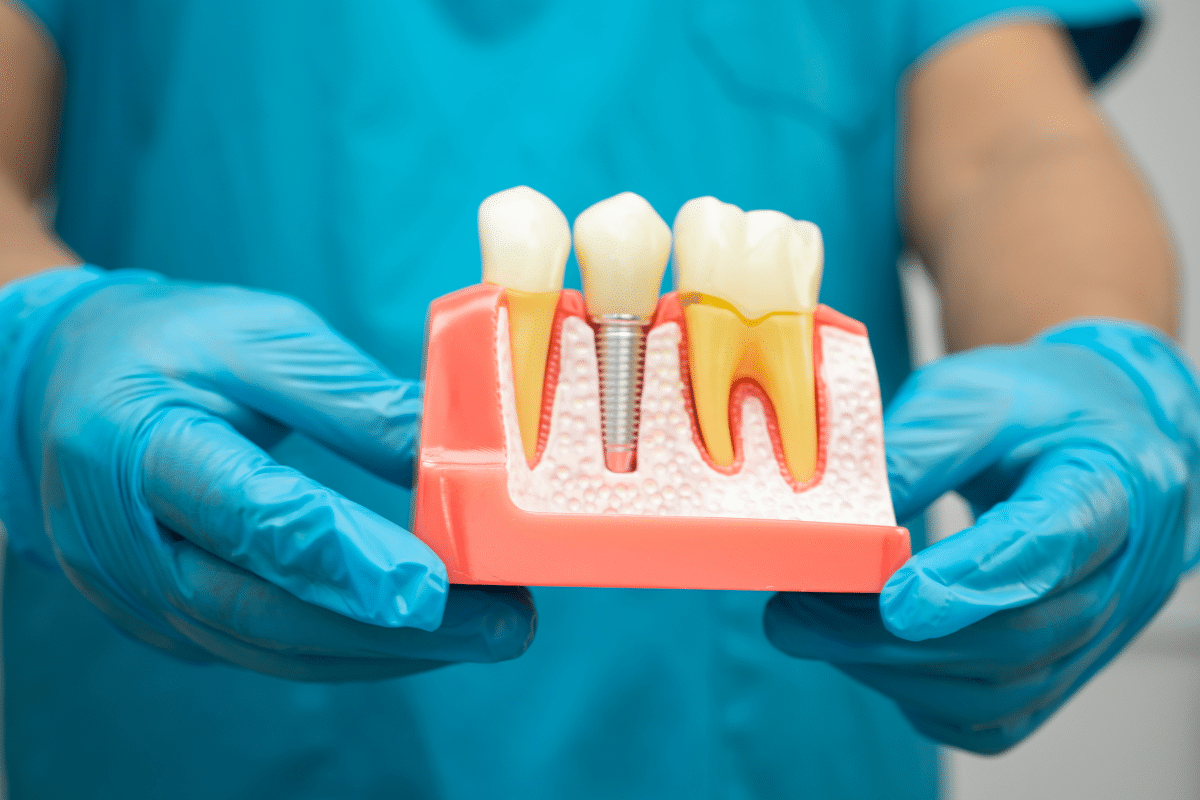
Dental implants can help address these concerns by replacing the missing tooth with an artificial tooth root that supports a custom restoration.
Using the winter months to evaluate your oral health can help you make informed decisions about tooth replacement rather than continuing to delay treatment.
Does Cold Weather Actually Help Dental Implants Heal Faster?
This is an important question for patients considering winter treatment.
Although cold weather may make certain recovery routines more comfortable, there is no established clinical evidence that outdoor winter temperatures directly speed up dental implant healing or reduce surgical inflammation.
The healing process primarily depends on your body’s natural response to surgery, the condition of your gums and jawbone, implant stability, and your overall health.
After placement, the implant gradually integrates with the surrounding jawbone through a process called osseointegration. This creates a stable foundation for the final replacement tooth.
The process generally takes several months, although the exact timeline varies from patient to patient.
Rather than relying on seasonal advantages, focus on choosing an experienced dental professional, maintaining good oral hygiene, eating nutritious foods, and attending all recommended follow-up visits.
What Happens During Dental Implant Treatment?
Understanding the treatment process can help you feel more prepared before scheduling an appointment.
Although every treatment plan is different, dental implant procedures generally involve the following stages.
Step 1: Initial Consultation and Examination
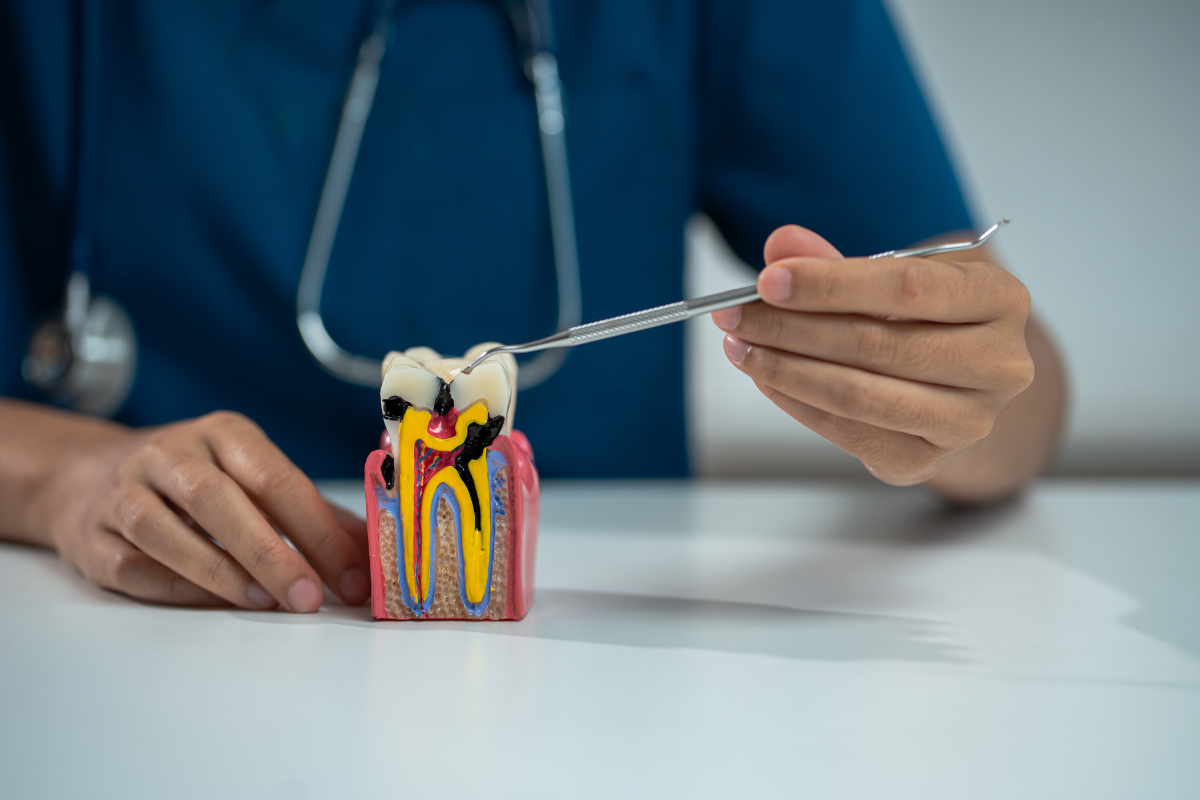
Your dentist evaluates your teeth, gums, jawbone, and overall oral health to determine whether dental implants are appropriate.
Digital imaging or dental X-rays may be recommended to examine the available bone and identify the best implant placement location.
Your dentist will also review your medical history and discuss any factors that could affect healing.
Step 2: Dental Implant Placement
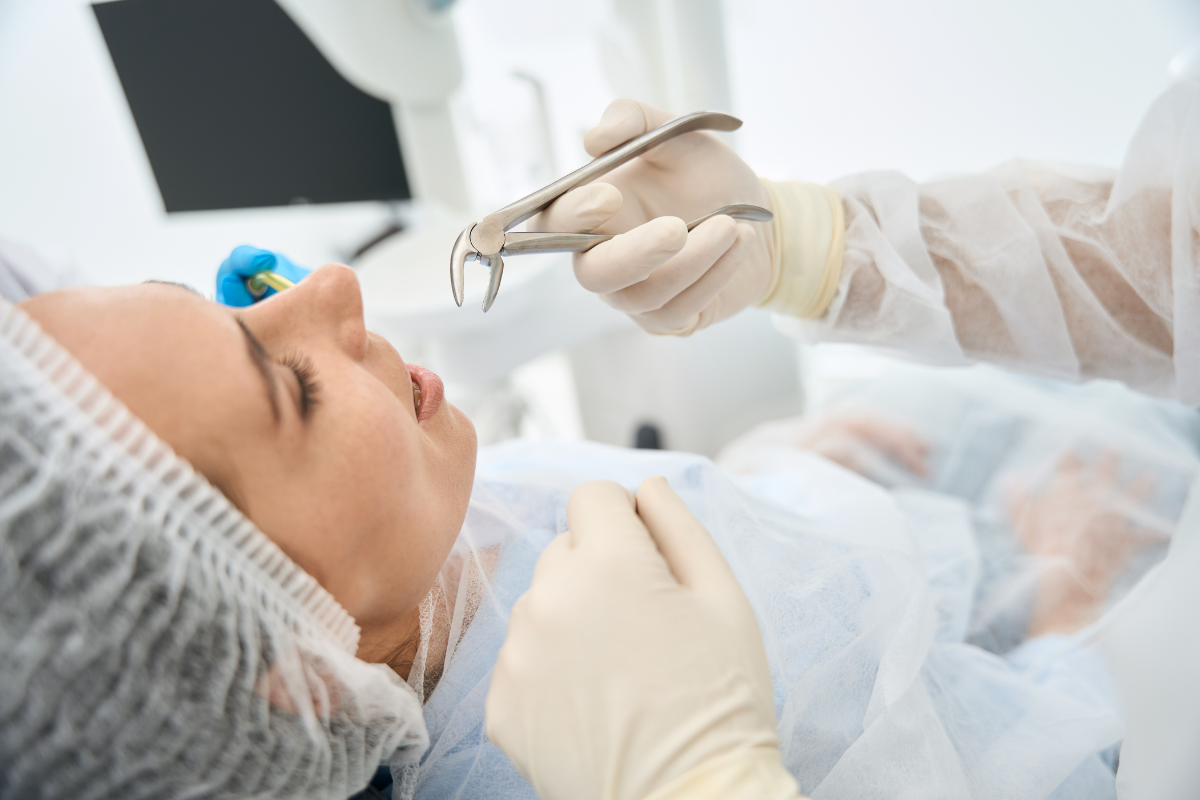
Once your treatment plan is finalized, the implant is placed into the jawbone during a surgical procedure.
The implant acts as an artificial tooth root. It provides the foundation for the replacement tooth and helps restore stability.
Depending on your individual situation, additional procedures such as bone grafting may be necessary before or during implant placement.
Step 3: Healing and Osseointegration
Following surgery, the surrounding gum tissue begins to heal. Over the next several months, the implant gradually integrates with the jawbone.
During this stage, following your dentist’s instructions is essential. You may need to avoid putting excessive pressure on the implant while it heals.
Your dentist will schedule follow-up visits to monitor your progress and determine when the implant is ready for the next stage.
Step 4: Placement of Your Final Restoration
Once the implant has integrated sufficiently with the jawbone, a custom restoration can be attached.
Depending on how many teeth you are replacing, this may be an implant-supported crown, bridge, or denture.
The final restoration is designed to complement your smile while helping you regain comfortable chewing and speaking function.
How to Make Your Dental Implant Recovery More Comfortable During Winter
Regardless of the season, proper aftercare plays a major role in dental implant recovery.
Here are some practical steps to follow after your procedure.
- Follow your dentist’s instructions: Take prescribed medications as directed and follow all recommendations regarding cleaning, eating, and activity.
- Choose appropriate foods: Stick to soft foods during the recommended recovery period. Avoid chewing directly on the surgical area until your dentist allows it.
- Maintain gentle oral hygiene: Keep your mouth clean using the brushing and rinsing techniques recommended by your dental professional. Do not disturb the surgical site.
- Avoid smoking and tobacco products: Smoking can interfere with healing and may increase the risk of implant complications.
- Limit strenuous activities: Avoid heavy lifting, intense exercise, and other demanding activities for as long as your dentist recommends.
- Stay hydrated: Drink enough water throughout the day to support your general health and avoid dehydration.
- Keep your follow-up appointments: Regular evaluations help your dentist check healing, monitor implant stability, and identify potential concerns early.
If you experience worsening pain, excessive bleeding, fever, or unusual swelling, contact your dental professional promptly.
Are You a Good Candidate for Dental Implants?
Dental implants can be an effective tooth replacement option, but they are not suitable for everyone without an individual evaluation.
You may be a potential candidate if you:
- Have one or more missing teeth.
- Have healthy gums or are willing to address existing gum problems.
- Have sufficient jawbone to support an implant or can undergo bone grafting if needed.
- Maintain good oral hygiene habits.
- Are in generally good health.
- Are committed to attending follow-up visits and caring for your restoration.
Certain medical conditions, medications, tobacco use, and other health factors can influence treatment suitability and healing.
The best way to determine whether implants are right for you is to schedule a professional dental evaluation.
Restore Your Smile With Dental Implants in Southlake
Missing teeth should not prevent you from enjoying your favorite foods, speaking comfortably, or feeling confident about your appearance.
At Wright Smiles, patients can explore restorative solutions designed to address missing teeth and improve everyday oral function. Our practice offers dental implant treatment as part of its restorative dentistry services.
If you have been considering tooth replacement, winter can be a practical opportunity to discuss your goals, understand your treatment options, and plan the next steps.
Call Wright Smiles at 817-481-7999 to schedule an appointment and find out whether dental implants in Southlake are right for your smile.
Frequently Asked Questions
- Is winter a good time to get dental implants?
Yes. Dental implants can be placed throughout the year. Winter may be convenient for patients who can arrange time to rest and attend follow-up appointments. However, colder temperatures do not directly accelerate implant healing.
- How long does it take to recover from dental implant surgery?
Initial recovery generally takes a few days to a couple of weeks, depending on the procedure. However, complete integration of the implant with the jawbone often takes several months. Your dentist will monitor your healing and determine when the final restoration can be placed.
- Can I eat normally after dental implant surgery?
You will generally need to eat soft foods during the initial healing period. Avoid hard, crunchy, sticky, and chewy foods until your dentist confirms that you can safely return to your normal diet.
- Are dental implants a permanent solution for missing teeth?
Dental implants are designed to provide a long-lasting tooth replacement option. With proper placement, good oral hygiene, and regular dental visits, they can last for many years. However, the implant restoration may require maintenance or replacement over time.
- Does cold weather cause discomfort around dental implants?
Cold outdoor temperatures do not necessarily interfere with implant healing. However, some patients may experience temporary tooth or gum sensitivity. If you experience persistent or worsening discomfort, contact your dentist for an evaluation.
- Can I exercise after getting dental implants?
Your dentist may recommend avoiding strenuous exercise for several days after surgery. The appropriate time to resume physical activity depends on the extent of your procedure and your recovery progress.
- What should I avoid after dental implant surgery?
Avoid smoking, strenuous exercise, hard or crunchy foods, and disturbing the surgical site. Follow your dentist’s specific instructions about brushing, rinsing, medications, and eating during recovery.
Medical Disclaimer: This article is intended for educational purposes only and should not replace professional dental advice, diagnosis, or treatment. Dental implant candidacy, treatment timelines, and recovery experiences vary. Consult a qualified dental professional for recommendations based on your individual oral health needs.