Your First Dental Implant Consultation: What to Expect and How to Prepare


Missing a tooth can affect more than your smile. You may feel uncomfortable eating certain foods, worry about how your teeth look, or hesitate to smile in photos. Dental implants can offer a long-term way to replace missing teeth, but before moving forward, you may have questions about the process, cost, recovery, and whether you are a good candidate.
If you are considering dental implants in Southlake, your first consultation is an important step toward understanding your options. It gives you the opportunity to discuss your concerns, learn what your treatment may involve, and find out what is needed to restore your smile.
Knowing what to expect can make the appointment feel less stressful. Here is how a dental implant consultation typically works, what your dentist will evaluate, and which questions can help you make an informed decision.
Why Is Your First Dental Implant Consultation So Important?
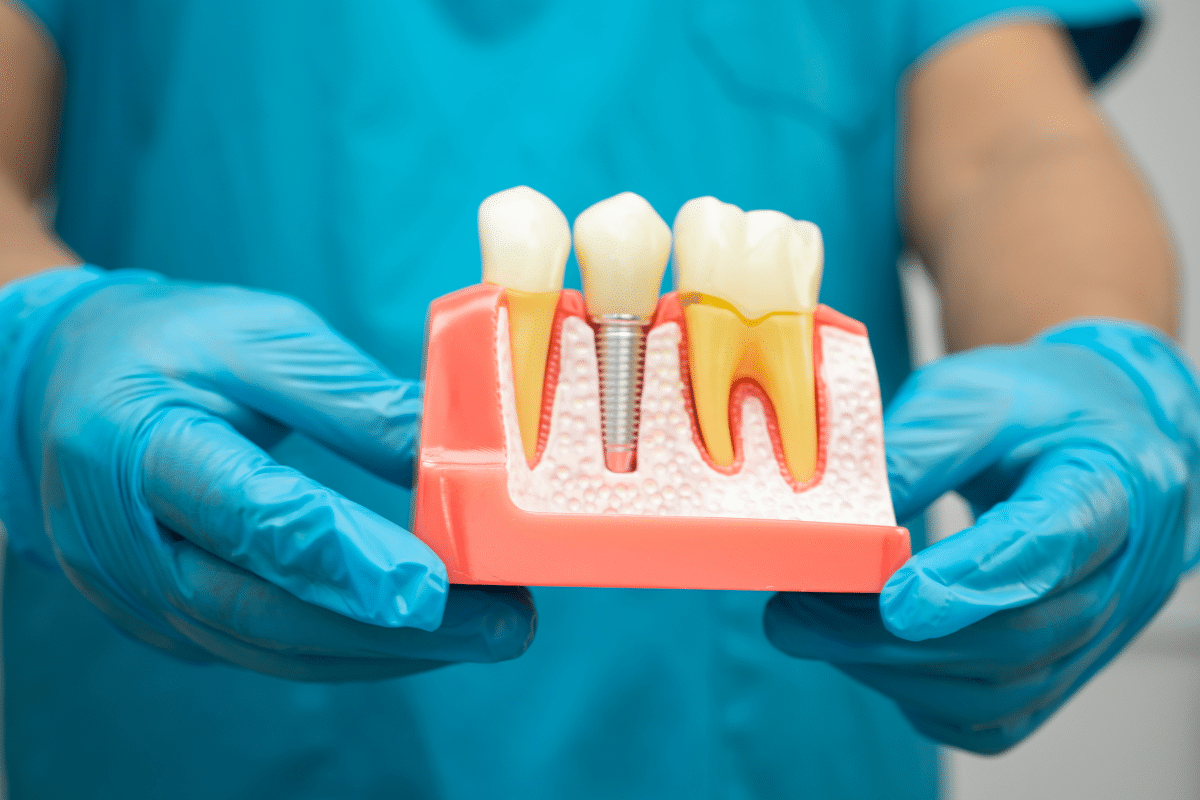
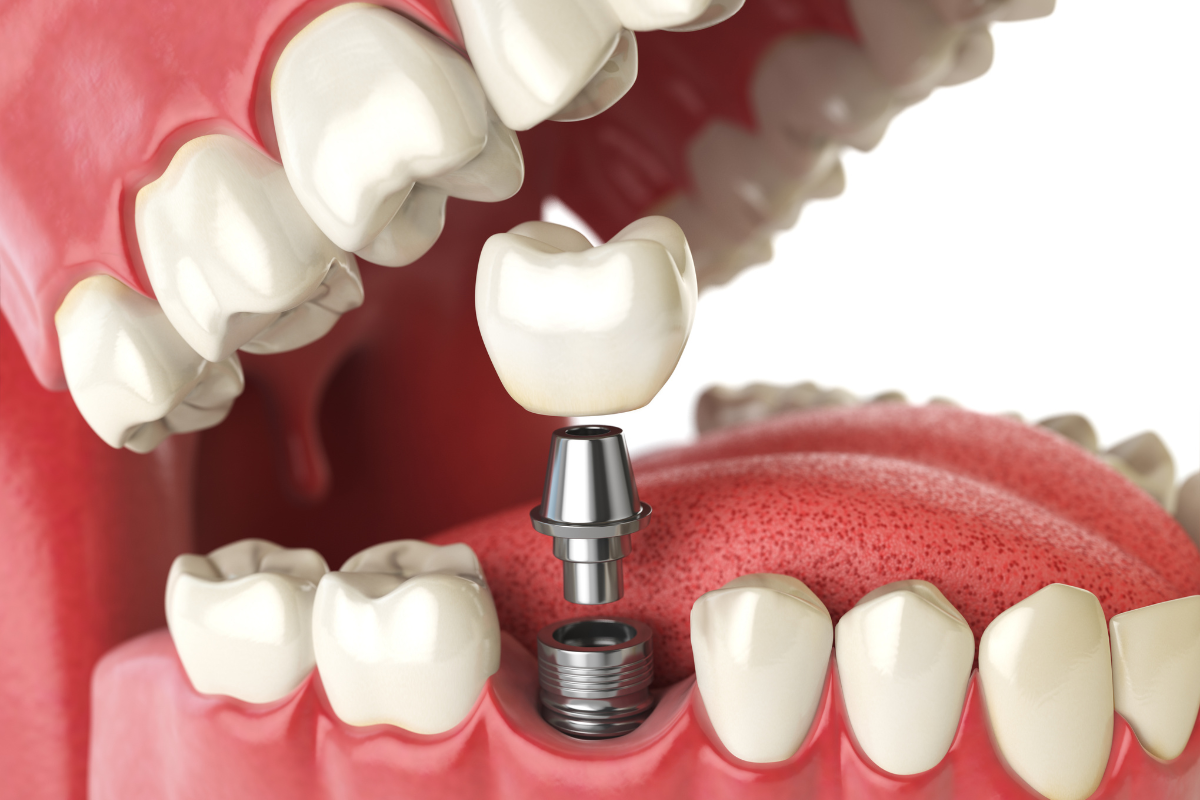
Dental implants are designed to replace missing tooth roots. A small post, usually made of titanium, is placed in the jawbone to support a replacement tooth, bridge, or denture.
However, implants are not the right solution for everyone. Your oral health, jawbone condition, medical history, and treatment goals all play a role in deciding whether implant treatment is appropriate.
A consultation helps your dentist understand your needs before recommending a treatment plan. Rather than choosing a procedure based on general information, you receive guidance based on your individual circumstances.
During this visit, you can discuss concerns such as:
- Replacing one missing tooth or several teeth.
- Improving your ability to chew comfortably.
- Preventing changes in your bite after tooth loss.
- Understanding the expected treatment timeline.
- Exploring alternatives if implants are not suitable.
This first step helps you understand both the potential benefits and the limits of implant treatment before making a commitment.
What Happens During a Dental Implant Consultation?
Your first visit usually involves several steps. The exact process depends on your oral health, the number of teeth you need to replace, and whether you have had previous dental treatment.
- Discuss Your Dental History and Smile Goals
Your dentist will begin by asking about your dental history and what you hope to achieve. You may discuss when you lost the tooth, whether you have pain or swelling, and whether you have experienced problems with chewing.
You should also mention any previous dental procedures, current medications, allergies, and medical conditions that could affect healing.
Be open about your goals. For example, you may want to replace a single front tooth, restore chewing function in the back of your mouth, or find a more stable alternative to removable dentures.
This conversation helps your dentist understand what matters most to you and identify factors that may affect your treatment.
- Receive a Comprehensive Oral Examination
Next, your dentist will examine your teeth, gums, and bite. The goal is to identify any issues that could affect implant placement or healing.
Your dentist may look for:
- Gum disease or signs of infection.
- Tooth decay in nearby teeth.
- Bone loss in the area of the missing tooth.
- Bite problems that could place excess pressure on an implant.
- Existing dental work that may influence the treatment plan.
If gum disease or another oral health problem is present, it may need to be treated before implant placement. Addressing these issues first can help create healthier conditions for treatment.
- Have Dental Imaging Taken if Needed
Dental imaging helps your dentist assess the area where the implant may be placed. Depending on your needs, this may include dental X-rays or a cone-beam computed tomography (CBCT) scan.
These images can help evaluate bone height and width, the location of nearby nerves and sinuses, and other anatomical details that may affect planning.
Not every patient needs the same type of imaging. Your dentist will recommend the appropriate studies based on your examination and the complexity of your case.
- Find Out Whether You Are a Good Candidate
After reviewing your history, examination, and imaging, your dentist can discuss whether implants may be suitable for you.
Healthy gums and adequate jawbone support are important factors. However, some people with bone loss may still qualify after additional treatment, such as bone grafting.
Certain medical conditions, smoking, some medications, and habits such as teeth grinding may affect healing or implant success. These factors do not automatically rule out treatment, but they should be discussed before you proceed.
Your dentist will explain any concerns and help you understand the next steps.
What Happens If You Need Additional Treatment Before Implants?
One of the most important things to understand is that implant treatment does not always begin with placing the implant. Your dentist may recommend preparatory care to improve your chances of a successful result.
Depending on your situation, this may include:
- Tooth extraction: A damaged or infected tooth may need to be removed before an implant can be placed.
- Bone grafting: If the jawbone lacks enough volume to support an implant, grafting may help rebuild the area.
- Gum disease treatment: Healthy gums help support long-term oral health and reduce the risk of complications.
- Healing time: After an extraction, grafting procedure, or implant placement, your tissues may need time to heal before the next stage.
Some patients can have an implant placed soon after extraction, while others need to wait. The timing depends on the condition of the tooth, the surrounding bone, and whether infection is present.
Your dentist should explain why any additional procedure is recommended, what it involves, and how it affects your overall timeline.
How Much Do Dental Implants Cost, and How Long Does Treatment Take?
The cost and duration of implant treatment vary from patient to patient. Your consultation is the best time to receive an estimate based on your needs.
Factors that can affect the total cost include:
- The number of implants required.
- The type of replacement tooth or restoration.
- The need for extractions or bone grafting.
- The complexity of your case.
- The type of imaging and follow-up care required.
Ask for a written treatment plan that explains the expected fees, what is included, and whether additional procedures may create extra costs. You can also ask whether your dental insurance provides any benefits and what payment options are available.
The timeline varies as well. Some patients can receive an implant relatively soon after an extraction, while others need several months for healing. After placement, the implant often needs time to bond with the jawbone through a process called osseointegration before the final restoration is attached.
Your dentist can provide a more realistic estimate after evaluating your oral health.
What Are the Risks of Skipping the Consultation or Rushing Treatment?
It may be tempting to focus on replacing the missing tooth as quickly as possible. However, starting treatment without a thorough evaluation can increase the chance of unexpected problems.
Without proper planning, issues such as insufficient bone support, untreated gum disease, or an unsuitable implant position may affect the outcome. An implant can also fail to integrate with the bone or develop complications later, including inflammation around the implant.
A careful consultation allows your dentist to identify risk factors, discuss alternatives, and plan treatment around your anatomy and health needs.
It also gives you time to ask questions and understand the benefits, limitations, and possible complications before deciding. You should never feel pressured to proceed before you understand your treatment plan.
How Wright Smiles Can Help You Explore Your Implant Options
Choosing tooth replacement treatment is a personal decision. You deserve to understand your options, the steps involved, and the care needed to maintain your results.
At Wright Smiles, the team can evaluate your oral health, discuss your concerns, and help determine whether implant treatment may suit your needs. The practice’s dental implant services provide a starting point for learning about the treatment process and arranging an evaluation.
Patients from Southlake and nearby communities, including Grapevine, Keller, and Colleyville, can contact the office to discuss their tooth replacement needs.
Before your appointment, consider writing down your main concerns and bringing a list of medications and relevant medical information. These simple steps can help you make the most of your consultation.
Take the First Step Toward a More Complete Smile
You do not need to have every answer before scheduling a dental implant consultation. The purpose of the visit is to understand your options, identify any concerns, and determine what steps may help restore your smile.
Whether you are replacing one missing tooth or considering a more extensive restoration, a personalized evaluation can help you make a decision based on your oral health, goals, and budget.
Ready to explore dental implants in Southlake? Contact Wright Smiles at 817-481-7999 to schedule your consultation. Ask your questions, learn what your treatment may involve, and take the next step toward eating, speaking, and smiling with greater confidence.
Frequently Asked Questions
- What should I bring to my first dental implant consultation?
Bring a list of your medications, relevant medical history, information about previous dental procedures, and any recent dental X-rays if available. It also helps to write down your questions about cost, treatment time, recovery, and expected results.
- Does a dental implant consultation hurt?
The consultation itself is usually painless. Your dentist will examine your mouth and may recommend dental imaging. If additional diagnostic procedures are needed, the dentist can explain what to expect before proceeding.
- How do I know if I am a good candidate for dental implants?
You may be a candidate if you have healthy gums, sufficient jawbone support, and no untreated oral health problems that would interfere with treatment. Your overall health, medications, smoking habits, and ability to maintain oral hygiene also matter. An examination is needed to assess your suitability.
- How long does the dental implant process take?
The process may take several months, depending on your bone health, healing, and whether you need additional procedures. Some patients qualify for earlier implant placement, while others need time for bone grafting or healing before receiving the final tooth.
- Are dental implants better than bridges or dentures?
Each option has benefits and limitations. Implants are anchored in the jawbone, while bridges rely on supporting teeth and conventional dentures rest on the gums. Your dentist can compare stability, maintenance, treatment time, cost, and suitability for your situation.
- Will I need a bone graft before getting a dental implant?
Not everyone needs a bone graft. If your jawbone does not have enough volume to support an implant securely, grafting may be recommended. Dental imaging and an examination help determine whether this additional procedure is necessary.
- What questions should I ask during my dental implant consultation?
Consider asking:
- What tooth replacement options are suitable for me?
- Will I need an extraction or bone graft?
- How long will the full treatment take?
- What are the risks and expected benefits?
- What is included in the treatment estimate?
- How should I care for my implant after treatment?
- How long do dental implants last?
Dental implants can last for many years, and some remain functional for decades. Their longevity depends on factors such as gum health, oral hygiene, smoking, bite forces, and regular dental care. The implant itself and its replacement tooth may have different maintenance or replacement needs.
Medical Disclaimer – This article is for educational purposes only and does not replace professional dental advice, diagnosis, or treatment. Dental implant suitability, risks, costs, and timelines vary by patient. Consult a qualified dental professional for personalized recommendations.