What Happens During a Tooth Extraction? A Patient’s Guide



Hearing that you need a tooth removed can naturally bring up questions. Will it hurt? How long will the procedure take? What can you eat afterward? When can you return to work? Knowing what happens before, during, and after an extraction can make the experience much easier to approach.
Dentists generally try to preserve natural teeth whenever possible. However, a tooth that is severely damaged, infected, fractured, or otherwise beyond predictable restoration may threaten surrounding teeth and tissues if it remains in place. In those situations, removing it may be the healthier long-term decision.
At Wright Smiles, Dr. Gregory Wright and our team take a conservative approach to dental care, carefully evaluating whether a compromised tooth can be preserved before recommending removal. If you are experiencing persistent tooth pain or have been told that you may need an extraction, visit our dental office in Southlake, TX, for an evaluation and clear guidance on your next steps.
Why Might You Need a Tooth Extraction?
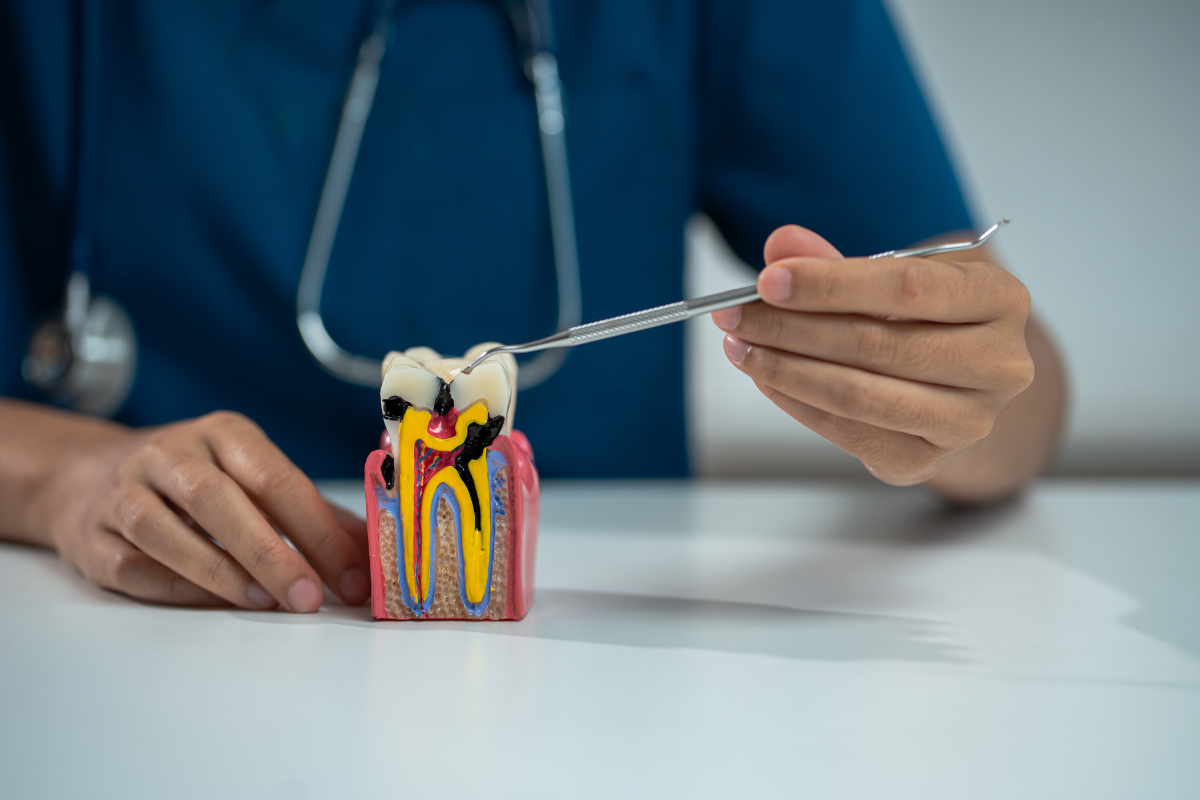
An extraction is not automatically recommended simply because a tooth hurts or has been damaged. Whenever appropriate, restorative options such as a dental crown or root canal treatment may allow the tooth to remain functional.
Sometimes, however, saving the tooth is no longer a practical option. Extraction may be considered when you have:
- Severe tooth decay that has destroyed too much healthy tooth structure
- An infection that cannot be resolved predictably with root canal treatment
- A tooth with a fractured or broken root
- A severely damaged tooth that cannot support a crown
- A previously restored tooth that can no longer be repaired
- An impacted or problematic wisdom tooth
- Significant misalignment in certain circumstances
Our practice approaches tooth extractions in Southlake with the goal of protecting the health of the rest of your smile. The decision should follow an examination and appropriate diagnostic imaging rather than symptoms alone.
What Happens Before a Tooth Extraction?
Your appointment begins with a careful evaluation. Your dentist needs to understand why the tooth is causing trouble, whether it can be saved, and what type of extraction would be appropriate.
Dental Examination and Imaging
The tooth and surrounding gums are examined, and dental X-rays may be taken to evaluate its roots, supporting bone, nearby teeth, and other important structures.
This information helps determine whether the tooth can be removed with a straightforward extraction or requires a more involved approach.
Reviewing Your Medical History
Be prepared to discuss your health history, medications, supplements, allergies, and previous reactions to dental treatment. Certain medical conditions and medications can influence bleeding, healing, or treatment planning.
Never stop a prescribed medication on your own before dental treatment. A trusted dental practitioner will tell you if coordination with your physician is necessary.
Planning for Your Comfort
Before beginning, the treatment area is thoroughly numbed with local anesthetic. Your dental team will also explain what you may feel during the procedure and what to expect afterward.
If you feel anxious about treatment, mention it before the appointment. Knowing your concerns allows the dental team to discuss appropriate ways to make the experience more manageable.
What Happens During the Tooth Extraction?
The exact procedure varies according to the tooth’s position, condition, and root anatomy. However, the overall objective is the same: remove the problematic tooth while protecting the surrounding tissues as much as possible.
Step 1: Numbing the Area
Local anesthetic is administered around the treatment area. The dental professional will make sure the area is sufficiently numb before proceeding.
You may notice pressure or movement during an extraction, but sharp pain should not be expected. If you experience discomfort, communicate with your dental team.
Step 2: Loosening the Tooth
For a straightforward extraction, dental instruments are used to carefully loosen the tooth from the tissues supporting it. Once sufficiently mobile, the tooth can be removed from its socket.
Some teeth are more difficult to remove because they are broken, impacted, or have complex roots. In these situations, a different surgical approach may be required.
Step 3: Caring for the Extraction Site
After removal, the socket is inspected and cleaned as necessary. Depending on the procedure, stitches may occasionally be placed.
Gauze is generally positioned over the extraction site, and you will be asked to bite down with gentle pressure. This helps control bleeding and supports formation of the blood clot needed for healing.
What Should You Expect Immediately After the Procedure?
Some bleeding, soreness, and swelling can occur following an extraction. The amount varies according to the complexity of treatment and your individual healing response.
The blood clot that forms inside the socket is particularly important. It covers and protects the underlying tissues while the extraction site begins healing.
Before leaving the dental office, you should receive postoperative instructions specific to your treatment. Follow those directions even if you feel relatively comfortable immediately afterward, because the anesthetic may take time to wear off.
How Can You Support Healing After an Extraction?
The first few days have an important influence on recovery. Your primary goals are protecting the blood clot, keeping the area appropriately clean, controlling discomfort, and allowing your body time to heal.
Protect the Blood Clot
Avoid actions that could disturb the extraction site. Depending on your dentist’s instructions, this generally means avoiding forceful spitting, vigorous rinsing, smoking, and drinking through a straw during early healing.
Choose Soft Foods
Your mouth may feel tender, so begin with foods that require little chewing. Options can include yogurt, scrambled eggs, mashed potatoes, applesauce, smoothies eaten with a spoon, and lukewarm soup.
Gradually return to firmer foods as comfort improves. Avoid chewing directly over the extraction area during the early stages of recovery.
Manage Swelling and Discomfort
Some soreness is expected once the anesthetic wears off. Use pain medication only as directed by your dental specialist or according to appropriate label instructions.
Cold compresses applied externally may also help with early swelling. Follow the instructions provided by your dental team because recovery recommendations can vary according to the procedure.
Keep Your Mouth Clean
Good oral hygiene remains important, but the extraction site needs gentle treatment. Continue caring for the rest of your teeth while avoiding aggressive brushing directly over the healing socket.
Your dentist will tell you when and how to begin gently cleaning or rinsing around the extraction area.
How Long Does Tooth Extraction Recovery Take?
There is no single recovery timeline that applies to everyone. A straightforward extraction of one erupted tooth may have a shorter initial recovery than the surgical removal of an impacted wisdom tooth.
Many patients notice that soreness and swelling begin improving over the first several days. The gum tissue continues healing after you feel better, while changes within the underlying socket take considerably longer.
Factors that may affect your recovery include:
- The number of teeth removed
- Whether the extraction was simple or surgical
- The location of the tooth
- Your general and oral health
- Smoking or tobacco use
- How closely you follow postoperative instructions
Your dentist in Southlake can give you a more individualized recovery estimate after evaluating the tooth and planning your procedure.
What Is Dry Socket?
Dry socket is a complication that can occur when the protective blood clot inside an extraction socket fails to develop properly or becomes dislodged before sufficient healing has occurred.
Instead of discomfort gradually improving, dry socket often causes significant or worsening pain several days after the extraction. The pain may radiate toward the ear or other areas of the face.
Avoiding smoking, straws, forceful rinsing, and other activities that can disturb the clot can help reduce the risk. If pain becomes noticeably worse rather than better after your procedure, contact your dental office.
When Should You Seek Professional Care After an Extraction?
Some tenderness, swelling, and mild bleeding can be part of normal healing. Symptoms should generally move toward improvement rather than become progressively worse.
Contact your dental team if you experience concerning symptoms such as:
- Bleeding that remains heavy or difficult to control
- Severe or increasing pain
- Swelling that continues to worsen
- Fever
- Persistent bad taste or drainage
- Signs of an allergic or medication reaction
- Difficulty swallowing or breathing
Difficulty breathing, significant facial or neck swelling, or another potentially life-threatening symptom requires immediate emergency medical attention.
Will You Need to Replace the Extracted Tooth?
Wisdom teeth usually do not require replacement. For many other teeth, however, leaving a permanent gap can affect your bite, chewing ability, appearance, and the position of neighboring teeth.
That is why extraction planning should not necessarily end when the tooth comes out.
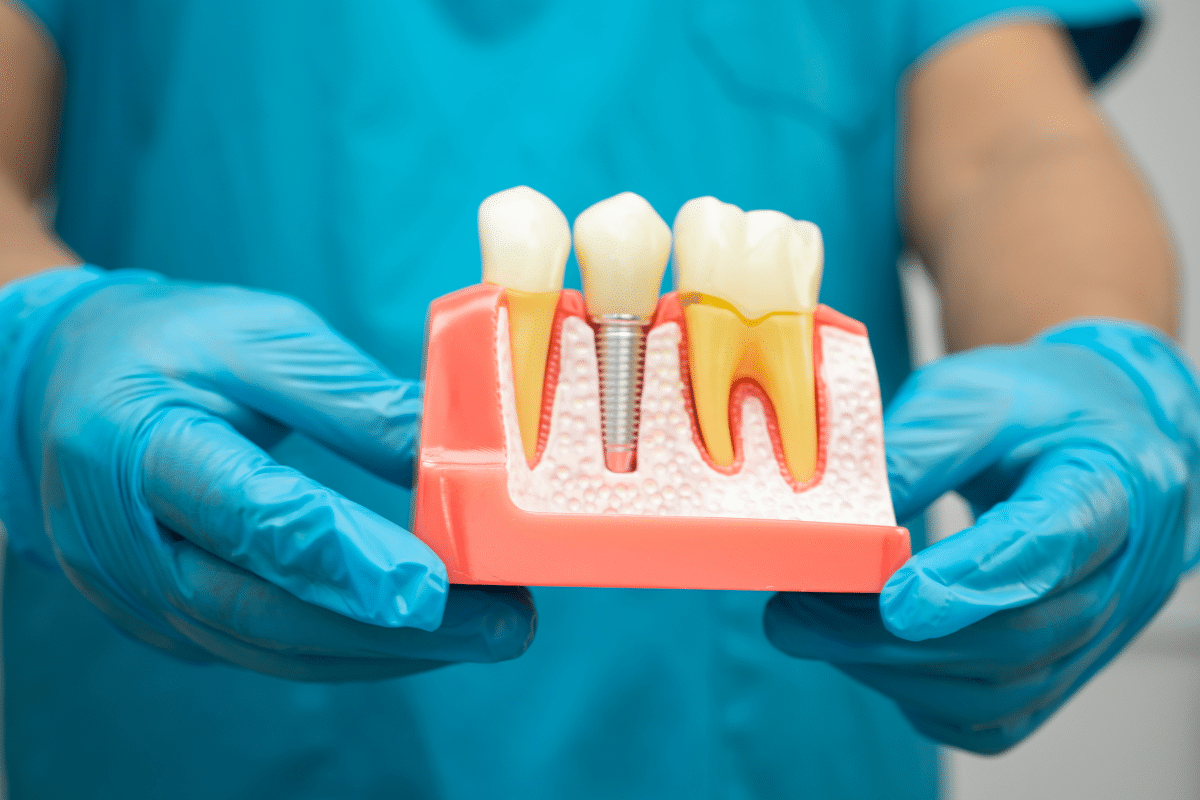
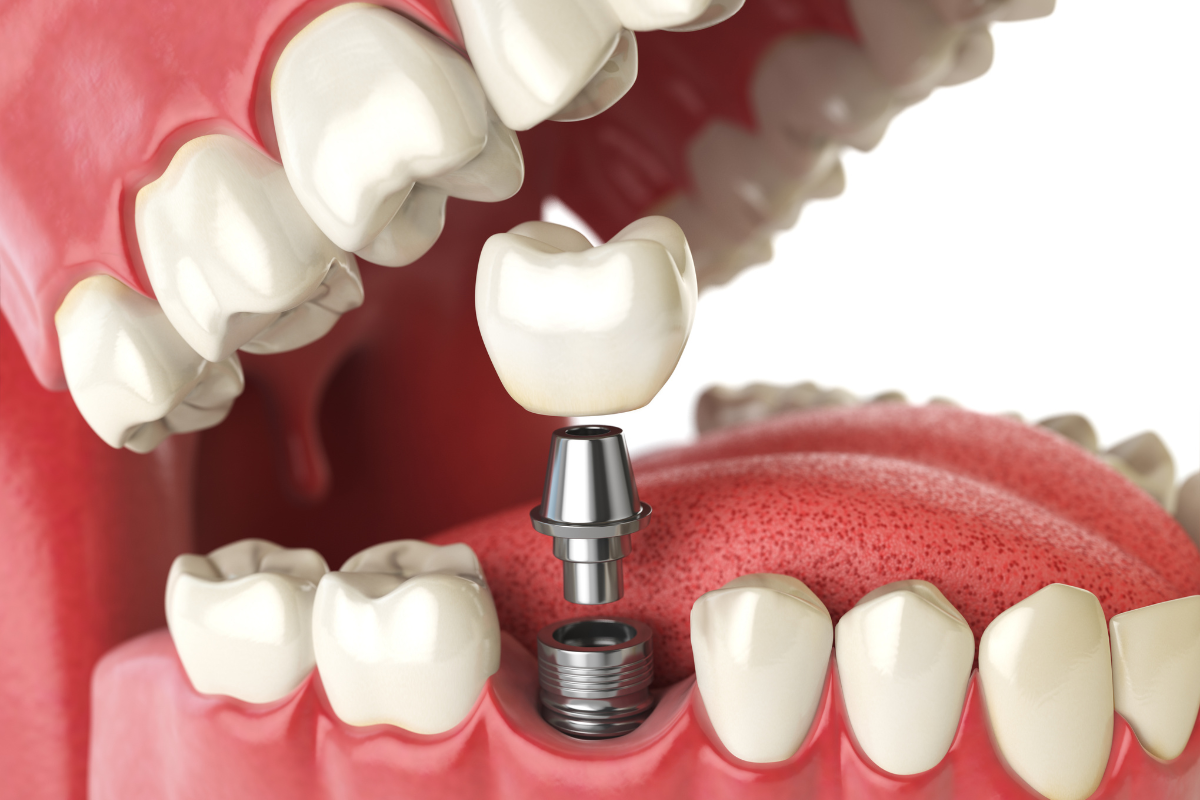
Depending on your oral health, remaining teeth, bone, preferences, and treatment goals, replacement possibilities may include a dental implant, bridge, or removable prosthesis. Wright Smiles notes that dental implants may be considered after extraction because they can replace a missing tooth while restoring function.
In some cases, implant placement may be considered at the time of extraction. In others, the area needs to heal first. An individualized examination is necessary to determine the appropriate sequence.
Preparing for Your Appointment in Southlake
A little preparation can make treatment day and early recovery easier. Before your appointment, make sure you understand any eating, drinking, medication, or transportation instructions provided by the dental office.
At home, have appropriate soft foods, gauze if recommended, and any dentist-approved medications available. Try to keep your schedule light after the procedure, particularly if your extraction is expected to be more involved.
For patients seeking tooth extractions in Southlake, asking questions beforehand is encouraged. Understanding why the tooth needs removal, how the procedure will be performed, and what recovery involves allows you to make a more informed decision about your care.
Frequently Asked Questions About Tooth Extraction
- How painful is a tooth extraction?
Local anesthetic numbs the treatment area, so you may notice pressure and movement rather than sharp pain during extraction. Some soreness afterward is expected, but it can usually be managed by following your dentist’s recommended aftercare instructions.
- How long should I rest after having a tooth pulled?
Rest for the remainder of your procedure day and avoid strenuous activity during early recovery. Many people resume routine activities within a few days, although surgical or multiple extractions may require additional recovery time before normal activities.
- When can I eat normally after a tooth extraction?
Start with soft, easy-to-chew foods and avoid chewing directly over the extraction site. As tenderness decreases and healing progresses, you can gradually introduce firmer foods according to your comfort level and the instructions from your dental team.
- How can I tell whether my extraction site is healing properly?
Normal healing generally involves gradually decreasing bleeding, swelling, and tenderness. The socket’s appearance also changes as new tissue develops. Increasing pain, persistent heavy bleeding, fever, drainage, or worsening swelling should prompt a call to your dental office.
- When can I brush my teeth after an extraction?
You can generally continue cleaning the rest of your mouth while being especially careful around the extraction site. Avoid directly disturbing the socket during early healing and follow your dentist’s specific instructions regarding brushing and rinsing after treatment.
- What should I avoid after getting a tooth pulled?
Avoid smoking, drinking through straws, vigorous rinsing, and disturbing the socket during early healing. You should also limit strenuous exercise initially and avoid foods that could irritate or become trapped in the extraction area while it heals.
- What happens if I do not replace an extracted tooth?
Depending on its location, an unreplaced tooth may affect chewing and allow nearby teeth to shift over time. Bone changes can also occur after tooth loss. Ask your dentist whether an implant, bridge, or another replacement is appropriate.
Protect Your Smile With the Right Next Step
Needing an extraction does not mean your oral health has reached a dead end. Sometimes removing a tooth that cannot be predictably restored is the step that helps resolve discomfort, control disease, and protect the rest of your smile.
At Wright Smiles, we focus on determining whether removal is truly necessary and helping you understand what comes next, including appropriate tooth replacement when needed. If you have persistent dental pain, a badly damaged tooth, or concerns about an upcoming extraction, schedule a visit with our dentist in Southlake to discuss your options and create a plan for a healthier, comfortable smile. Book your appointment today!