Do You Need a Root Canal If Your Tooth Stops Hurting? What You Should Know


Tooth pain can be frightening, especially when it keeps you awake, interrupts meals, or makes it difficult to focus. But what if the pain suddenly disappears? You might feel relieved and assume the problem has healed on its own. Unfortunately, a tooth that stops hurting is not always a healthy tooth.
In some cases, the pain fades because the nerve inside the tooth has become severely damaged or died. The infection may still be present, even when you no longer feel discomfort. Delaying care can allow the problem to worsen and make treatment more complicated.
If you are wondering whether you still need root canal treatment in Southlake, understanding why the pain stopped can help you make an informed decision. Here is what the change in symptoms may mean, when to see a dentist, and how professional treatment can help protect your natural tooth.
Why Would a Tooth Stop Hurting on Its Own?
Tooth pain can change as the condition inside the tooth progresses. The disappearance of pain may indicate improvement, but it can also signal a more serious problem.
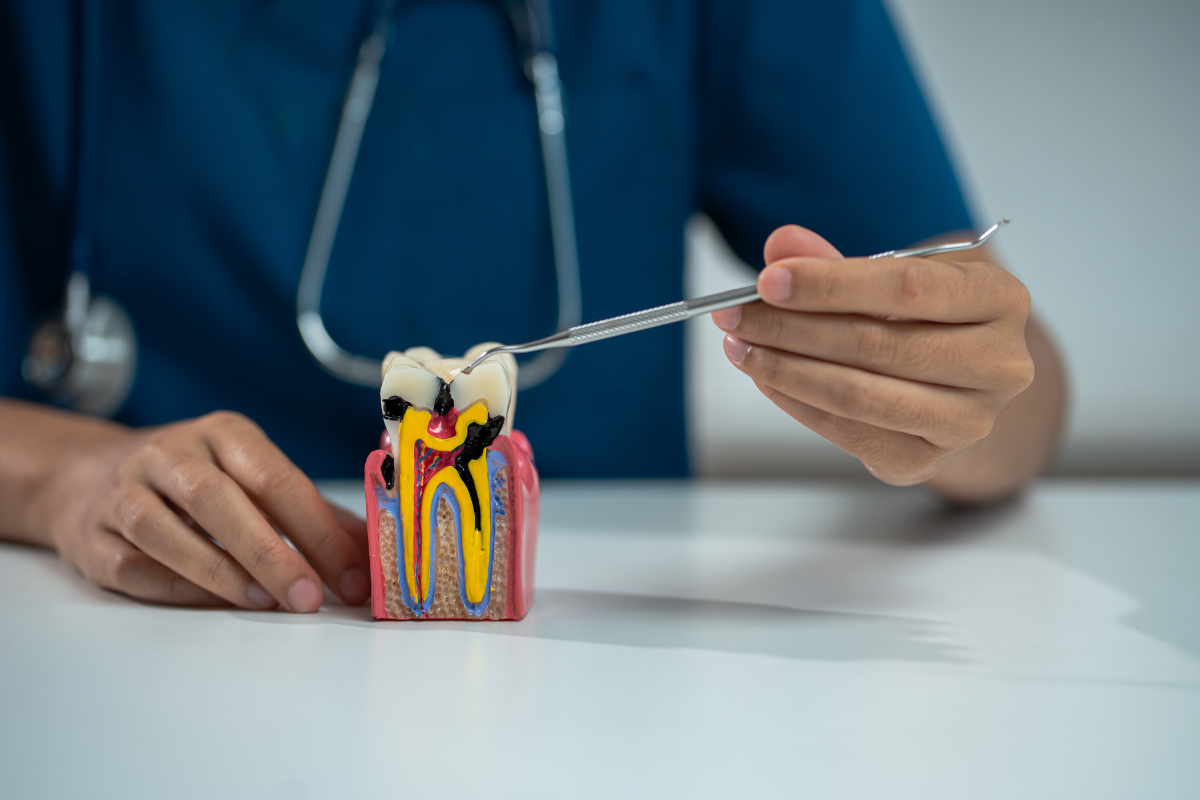
The pulp is the soft tissue inside your tooth that contains nerves and blood vessels. When bacteria enter through deep decay, a crack, or an injury, the pulp can become inflamed or infected.
You may experience sharp pain, sensitivity to hot or cold foods, throbbing, or discomfort when chewing. If the pulp becomes severely damaged, the nerve may lose its ability to respond normally. As a result, the pain may decrease or disappear.
However, the absence of pain does not confirm that the infection is gone. Bacteria may remain inside the tooth and spread into the surrounding tissues.
Other reasons tooth pain may temporarily improve include reduced inflammation, changes in pressure inside the tooth, or the effects of pain medication. A dental examination is the best way to determine what is happening.
Why It Matters When Tooth Pain Suddenly Disappears
It is natural to put off a dental visit when the discomfort goes away. However, waiting without understanding the cause can allow an underlying problem to progress.
An infected tooth may continue to develop an abscess, which is a pocket of pus caused by infection. The infection can affect the tissues around the root and may lead to swelling, tenderness, or bone damage.
You might also notice:
- A small bump on the gums near the affected tooth.
- Discomfort when biting or chewing.
- Swelling around the tooth or jaw.
- A bad taste in your mouth or drainage near the gums.
- Darkening or discoloration of the tooth.
- Recurring pain after a period of relief.
Some infected teeth cause few noticeable symptoms, even when treatment is necessary. That is why a change in pain should not be the only factor guiding your decision.
What Are the Risks of Ignoring a Tooth That No Longer Hurts?
When an infected tooth becomes painless, it can be tempting to wait until symptoms return. However, an untreated infection may continue to damage your oral health.
Here are some possible complications:
- Dental abscess: Bacteria can cause a pocket of pus around the root, leading to swelling and tenderness.
- Bone damage: An infection that spreads beyond the root can damage the surrounding jawbone.
- Tooth loss: If too much tooth structure is damaged, saving the natural tooth may become difficult or impossible.
- Spreading infection: In some cases, dental infections can spread into nearby tissues and cause serious health complications.
These outcomes are not inevitable, but they are important reasons to seek a dental evaluation rather than relying on pain alone. If you develop facial swelling, fever, or worsening symptoms, seek urgent dental care. Difficulty breathing or swallowing, or rapidly spreading swelling, requires emergency medical attention.
Do You Need Root Canal Treatment in Southlake If the Pain Is Gone?
You may still need a root canal even if your tooth no longer hurts. The decision depends on the condition of the pulp, the extent of any infection, and whether the tooth can be restored.
During an examination, your dentist may:
- Review your symptoms: You may be asked when the pain started, whether it was triggered by hot or cold foods, and whether it hurts when you bite down.
- Examine the tooth: The dentist will look for deep decay, cracks, gum swelling, discoloration, and other signs of damage.
- Test the tooth: Temperature or other pulp tests may help assess the nerve’s response. No single test always provides a complete answer.
- Take dental X-rays: Images can help identify changes around the root and surrounding bone, although early infections may not always be visible.
- Discuss your options: Based on the findings, your dentist can explain whether a root canal, another treatment, or monitoring is appropriate.
If the pulp is infected or irreversibly damaged, root canal therapy may be recommended. During the procedure, the dentist removes the affected pulp, cleans and disinfects the inside of the tooth, and seals the space. A filling or dental crown may then be needed to restore strength and function.
The goal is to eliminate the source of infection when possible and preserve your natural tooth. Not every toothache requires a root canal, so an accurate diagnosis is essential.
How Wright Smiles Helps Protect Your Natural Tooth
When tooth pain changes unexpectedly, getting the right diagnosis can help you avoid unnecessary delays and understand your treatment choices.
At Wright Smiles, patients can receive an evaluation for tooth pain and learn whether root canal therapy is appropriate for their needs. Dr. Victoria Heron, DDS, has postgraduate training that includes endodontics and performs many root canal procedures at the practice. When a case would benefit from specialist care, a referral may be recommended.
Patients from Southlake and nearby communities, including Grapevine, Keller, and Colleyville, can contact the office to discuss their symptoms and arrange an evaluation.
Don’t Wait for Tooth Pain to Return
A tooth that stops hurting may be recovering, but the change could also mean that its nerve has been severely damaged. Without an examination, it is impossible to know whether the underlying problem has resolved.
If you previously experienced severe tooth pain, lingering sensitivity, or discomfort when chewing, do not assume that the problem is gone just because you feel better. Early evaluation can help identify infection, protect surrounding tissues, and improve the chance of saving your natural tooth.
Contact Wright Smiles at 817-481-7999 to schedule an appointment. Getting answers now can help you make a confident decision about your oral health before a hidden problem becomes more complicated.
Frequently Asked Questions
- Can a tooth infection go away if the pain stops?
Not necessarily. Pain may disappear if the nerve inside the tooth dies, even though bacteria remain. A dental examination can help determine whether the infection has resolved or requires treatment.
- How do I know if I need a root canal if I have no pain?
You may still need treatment if the pulp is infected or damaged. Signs such as tooth discoloration, gum swelling, a recurring pimple on the gums, or changes around the root on an X-ray can indicate a problem. Some infections have no obvious symptoms.
- How long can you leave an infected tooth untreated?
There is no safe, fixed waiting period. An infection may progress without much pain, so contact your dentist promptly if you suspect one. Delaying treatment can increase the risk of an abscess or tooth loss.
- Can a dead tooth still hurt?
Yes. Although a dead nerve may no longer respond to temperature, the tissues surrounding the tooth root can become inflamed or infected. This can cause pain when biting, swelling, or tenderness.
- Is a root canal necessary for every toothache?
No. Tooth pain can result from cavities, gum problems, cracked teeth, or temporary sensitivity. A root canal is generally considered when the pulp is irreversibly inflamed or infected. Your dentist will determine the cause before recommending treatment.
- Does root canal treatment hurt?
Modern root canal treatment is performed with local anesthesia to minimize discomfort. Some tenderness may occur afterward, but your dentist can explain how to manage it and when to seek follow-up care.
- Can antibiotics cure an infected tooth without a root canal?
Antibiotics alone generally do not eliminate the source of an infection inside the tooth. Definitive dental treatment, such as root canal therapy or extraction when necessary, is often required. Antibiotics may be appropriate in certain cases involving spreading infection or systemic symptoms.
Medical Disclaimer – This article is for general educational purposes only and does not replace professional dental advice, diagnosis, or treatment. Tooth pain that suddenly disappears does not confirm that a tooth is healthy. Consult a qualified dental professional for an evaluation and personalized recommendations.