Why a Root Canal May Need Retreatment and What It Means


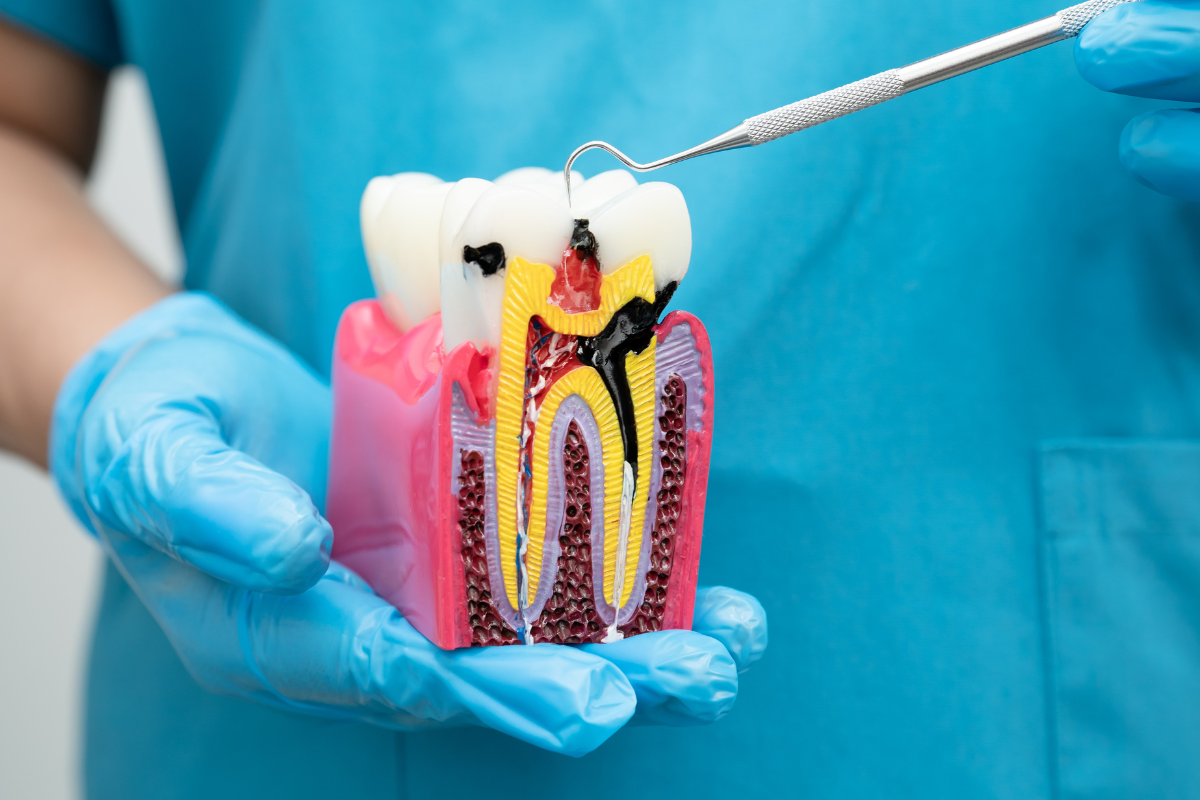
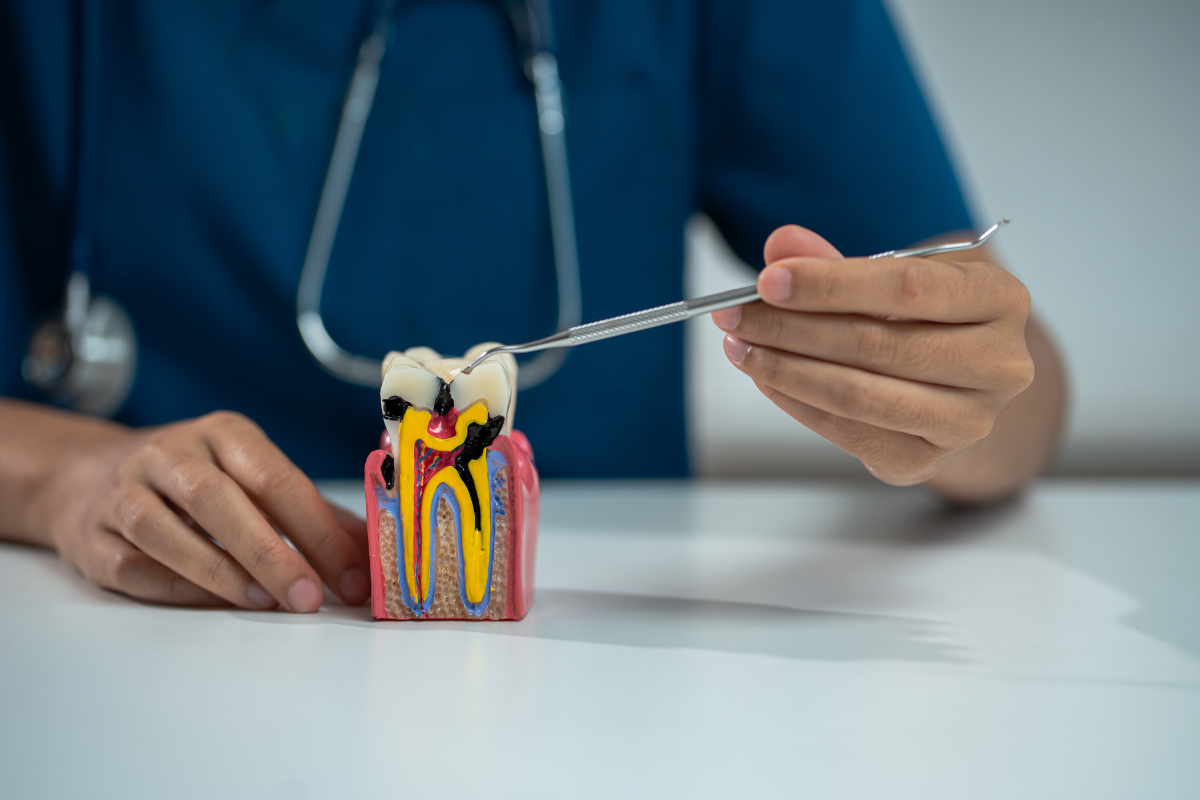
A root canal is intended to remove infected tissue from inside a tooth, disinfect the canal space, and seal it to prevent future bacterial contamination. In most cases, this treatment allows a natural tooth to remain functional and comfortable for many years.
However, some patients notice that symptoms return after an initial period of relief. This can include mild to persistent pain, sensitivity when chewing, swelling near the gums, or a subtle pressure sensation in the treated area. These signs are clinically important because they often indicate that the tooth is not maintaining a stable, bacteria-free environment.
At Wright Smiles, we regularly evaluate patients who are unsure whether their previous treatment is still holding up as expected. Under the clinical care approach of Dr. Gregory Wright, our focus is precise diagnosis and conservative treatment planning to determine whether retreatment is truly necessary. If you are experiencing unusual symptoms after a prior procedure, we encourage you to visit our dental office for a detailed evaluation before the condition progresses further.
What Does It Mean When a Root Canal Needs Retreatment?
A root canal may need to be redone when bacteria persist inside the tooth or re-enter after the initial treatment. This typically occurs when the sealed canal system is compromised or when the original infection was too complex to fully eliminate in a single procedure.
Retreatment involves reopening the tooth, removing the previous filling material, carefully disinfecting the canals again, and resealing them to restore protection. The goal is not only to eliminate infection but also to stabilize the tooth for long-term function.
Clinical research in endodontics consistently shows that long-term success depends on maintaining a complete seal and eliminating bacterial presence within all canal spaces, including those that may be difficult to detect initially.
Missed or Hidden Canal Anatomy
One of the most common reasons a root canal may require retreatment is complex internal anatomy. Teeth can contain multiple canals, some of which are narrow, curved, or difficult to detect during the original procedure.
If even one canal is missed, bacteria can remain active in that space and slowly lead to reinfection. Patients may experience dull pain, intermittent pressure, or sensitivity when chewing, even years after the initial treatment.
Modern imaging and magnification tools have improved detection significantly, but older treatments or unusually complex tooth structures can still present challenges that only become apparent over time.
Breakdown of the Seal and Bacterial Re-Entry
A successful root canal depends heavily on the integrity of its seal. If that seal weakens, bacteria from the oral environment can gradually re-enter the tooth and cause reinfection.
This often happens when a filling or crown becomes worn, develops micro-cracks, or loses its perfect adaptation. Once bacteria enter the sealed space, they can spread silently without immediate symptoms.
In active communities like Southlake, where daily routines often include frequent meals, coffee consumption, and on-the-go eating habits, restorations are naturally exposed to more wear over time. This makes regular dental monitoring especially important.
Patients who have undergone root canal treatment in Southlake should ensure that their restorations are routinely evaluated to confirm that the protective seal remains intact.
Tooth Fracture After Treatment
After a root canal, a tooth becomes more brittle because its internal nerve structure has been removed. This makes it more vulnerable to cracks or fractures, particularly if it is not properly protected with a restoration.
Even a small fracture can create a pathway for bacteria to re-enter the canal system, leading to reinfection and the return of symptoms. In some cases, the fracture is not visible to the patient but can still compromise tooth integrity.
Patients often report discomfort when biting down or sudden sensitivity while chewing harder foods, which can be an early indicator of structural compromise.
Delayed or Improper Restoration Placement
One of the most preventable causes of root canal failure is delayed placement of the final restoration. After treatment, the tooth must be sealed with a permanent restoration to protect it from contamination.
If this step is delayed, bacteria and debris can enter the treated tooth and compromise its stability. Even after a crown is placed, poor fit or long-term wear can lead to microleakage.
Patients who have undergone root canal treatment in Southlake benefit from routine follow-ups to ensure their restorations remain secure, properly sealed, and functional over time.
Daily Habits and Functional Stress on Teeth
Everyday oral habits play a significant role in how long a root canal-treated tooth lasts. Chewing hard foods, grinding teeth at night, frequent snacking, and acidic beverage consumption can all place stress on dental restorations.
In a community like Southlake, where dining out and social routines are common, these small but repeated stresses can gradually affect the longevity of dental work if not monitored.
Even minor wear may not cause immediate symptoms but can create long-term vulnerability if the seal or crown integrity begins to weaken.
How Dentists Identify Root Canal Failure
Diagnosing a failing root canal requires a combination of clinical examination, patient symptoms, and imaging studies. Dental professionals evaluate for tenderness, swelling, bite sensitivity, and radiographic signs of infection around the root.
At Wright Smiles, diagnostic precision is a core part of our treatment philosophy. A reliable dentist in Southlake carefully examines both the tooth and surrounding bone structure to determine whether retreatment is necessary or if another underlying issue is responsible for the symptoms.
This step-by-step evaluation ensures that treatment decisions are based on clear clinical evidence rather than assumptions.
When Should You Seek Evaluation?
If symptoms return after a root canal, timely evaluation is essential. Delaying care can allow infection to progress and potentially affect surrounding bone and tissues.
A Southlake dentist can determine whether the issue is due to reinfection, restoration failure, or structural damage. In many cases, early detection leads to more conservative and predictable treatment outcomes.
Any persistent discomfort, swelling, or sensitivity around a previously treated tooth should be professionally assessed without delay.
If Your Symptoms Are Returning, Consider Our Professional Care
If you are experiencing recurring symptoms after a previous root canal, the most important step is a careful clinical evaluation to identify the underlying cause. At Wright Smiles, we prioritize accurate diagnosis, conservative retreatment planning, and long-term preservation of natural teeth.
To understand whether retreatment is necessary in your case, schedule a personalized evaluation with our team today.
Why would a root canal need to be redone years later?
A root canal may need retreatment if bacteria re-enter the tooth or if the original seal breaks down over time. These issues often develop gradually without early warning signs.
Is pain always a sign of root canal failure?
Not always. Some discomfort can come from surrounding tissues, but persistent or worsening pain should always be evaluated by a dental professional.
Can a crown affect root canal success?
Yes. A damaged or poorly fitting crown can allow bacteria to enter the treated tooth, increasing the risk of reinfection.
How do dentists confirm if retreatment is needed?
Dentists use clinical testing, patient symptoms, and dental imaging to determine whether infection or structural failure is present.
Is retreatment more complex than the original root canal?
It can be more involved because previous materials must be removed, but modern techniques allow for highly predictable outcomes in most cases.
Can a retreated tooth last long-term?
Yes. With proper restoration and consistent oral care, a retreated tooth can remain functional for many years.
What happens if retreatment is delayed?
Delaying care may allow infection to spread, potentially leading to bone loss or tooth loss if not addressed in time.