When Is a Simple Tooth Extraction Recommended? Our Dentist Explains


Few dental procedures create as much anxiety as tooth extraction. Many patients assume that if a tooth needs to be removed, something has gone seriously wrong. In reality, a simple tooth extraction is often a preventive decision that protects your oral health before a larger problem develops.
At Wright Smiles, we believe patients deserve honest recommendations based on long-term oral health rather than temporary solutions. Dr. Gregory Wright carefully evaluates every compromised tooth to determine whether it can be saved comfortably and predictably before considering removal. If you have concerns about a damaged or painful tooth, we invite you to visit our dental office for a personalized evaluation and guidance tailored to your needs.
According to the Centers for Disease Control and Prevention, untreated cavities remain one of the most common chronic conditions affecting adults in the United States. Left untreated, decay can progress deep into a tooth and eventually lead to tooth loss. Early diagnosis plays a significant role in preventing these outcomes.
When Is a Simple Tooth Extraction Recommended?
A simple tooth extraction is recommended when a tooth can no longer be restored predictably or when keeping it could compromise overall oral health. The goal is to eliminate current problems while preventing future complications.
As dental practitioners, our first priority is always preserving natural teeth. Whenever a tooth can be restored predictably with treatments such as fillings, crowns, or root canal therapy, we will explore those options first. However, there are situations where keeping a damaged tooth may place surrounding teeth, gum tissue, or jawbone health at risk. In those cases, extraction becomes the healthiest path forward.
Every recommendation should be based on the condition of the tooth, the health of surrounding tissues, and the patient’s long-term treatment goals.
Severe Tooth Decay
Decay does not always lead to extraction. Many cavities can be treated successfully with restorative care.
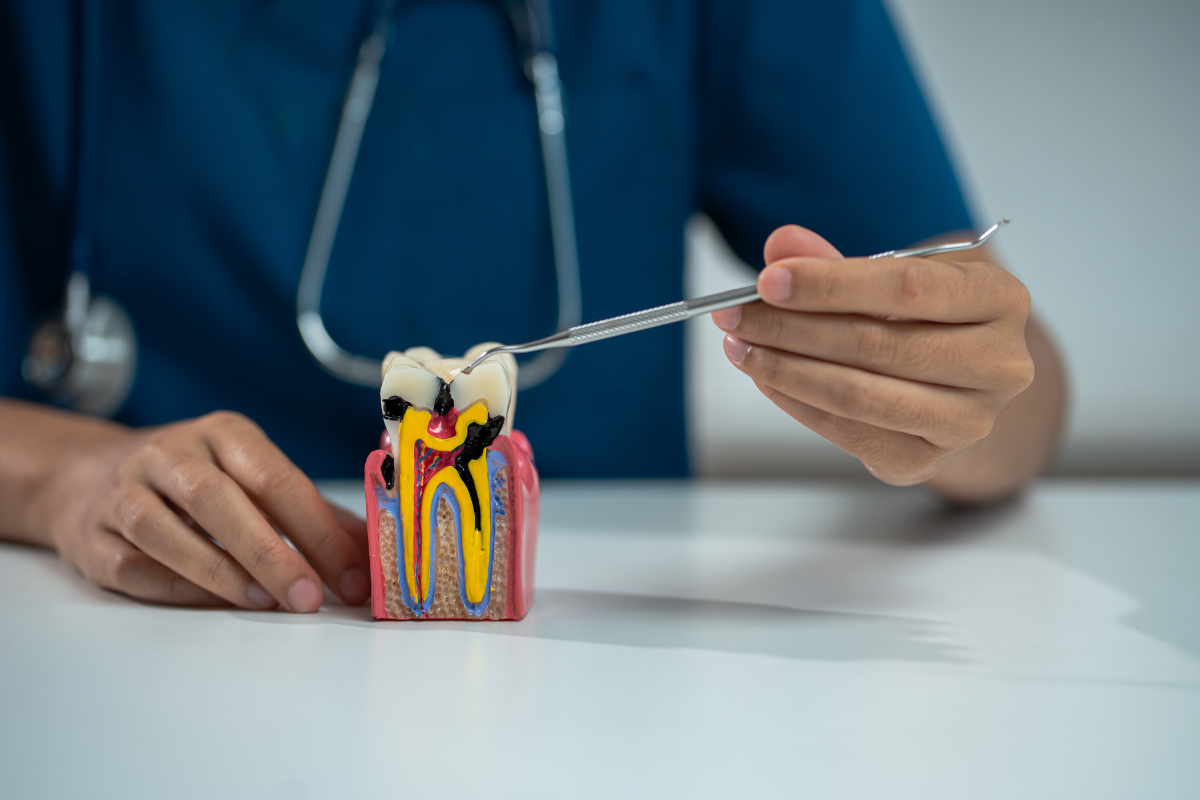
However, when decay extends deep below the gumline or destroys most of the tooth structure, restoration may no longer provide reliable long-term function. In these cases, extraction may be the healthiest option.
One pattern we frequently see is patients delaying treatment because discomfort comes and goes. Unfortunately, intermittent pain often signals a progressing problem rather than an improving one.
Advanced Gum Disease
Gum disease affects much more than the gums themselves. As infection progresses, it can destroy the bone supporting the teeth.
When significant bone loss causes severe mobility, retaining the tooth may no longer be beneficial. Removing the affected tooth can help preserve neighboring teeth and improve overall periodontal health.
A Fracture Below the Gumline
Not all cracked teeth require removal.
However, fractures that extend beneath the gumline often create challenges that cannot be corrected predictably with restorative treatment. These cracks may allow bacteria to enter deeper structures and lead to recurring infection.
Can a Tooth Be Saved Instead of Extracted?
In many situations, yes. Dentists always evaluate whether a tooth can be preserved before recommending extraction. Saving a natural tooth is generally preferred whenever long-term success is realistic.
Patients are often surprised to learn that symptoms alone do not determine whether a tooth must be removed. A severely painful tooth may sometimes be saved, while a tooth causing little discomfort may have damage that makes restoration impossible.
Possible alternatives include:
| Condition | Potential Treatment |
| Moderate decay | Tooth-colored filling |
| Extensive decay | Dental crown |
| Infected pulp | Root canal therapy |
| Minor fracture | Bonding or crown |
| Gum concerns | Periodontal treatment |
At Wright Smiles, treatment recommendations focus on predictability, function, and long-term oral health rather than short-term fixes.
Can a Dental Infection Lead to Extraction?
Yes. When an infection becomes extensive or significantly weakens the tooth, extraction may be necessary to prevent the infection from spreading.
Many infections can be treated successfully with root canal therapy. However, if the remaining tooth structure cannot support restoration, removing the source of infection may be the safest solution.
Common signs include:
- Persistent tooth pain
- Facial swelling
- Tender gums
- Difficulty chewing
- Sensitivity to temperature
- A bad taste in the mouth
Prompt evaluation can help prevent complications and may increase the chances of saving the tooth.
Why Are Tooth Extractions Sometimes Recommended Before Orthodontic Treatment?
In some cases, removing a tooth creates the space necessary for healthy alignment and bite correction. Extraction is never automatic but may be beneficial for certain orthodontic concerns.
Patients with severe crowding sometimes have insufficient room within the dental arch. Carefully planned tooth extractions in Southlake may create the space needed for predictable tooth movement and improved function.
Every orthodontic case should be evaluated individually before treatment decisions are made.
What Happens If a Tooth That Needs Extraction Is Left Untreated?
Ignoring a severely damaged tooth can allow the underlying condition to worsen. Problems that begin in a single tooth can eventually affect neighboring teeth, bone, and gum tissue.
Potential complications include:
- Progressive infection
- Increased pain
- Bone loss
- Gum damage
- Difficulty eating comfortably
- Damage to adjacent teeth
Many busy residents spending weekends around Southlake Town Square or enjoying local favorites such as Brio Italian Grille and Kirby’s Steakhouse often postpone treatment because symptoms seem manageable. Unfortunately, dental conditions rarely improve without professional care.
How Does a Dentist Determine Whether Extraction Is Necessary?
The decision is based on clinical findings, digital imaging, oral health history, and long-term prognosis. Dentists evaluate whether the tooth can continue functioning comfortably and predictably.
As a trusted dentist in Southlake, Dr. Wright takes a conservative approach to treatment planning. Extraction is considered only after thoroughly evaluating available restorative options.
Factors commonly reviewed include:
- Amount of remaining tooth structure
- Location of damage
- Presence of infection
- Bone support levels
- Overall oral health
- Future treatment goals
What Is Recovery Like After a Simple Tooth Extraction?
Most patients recover comfortably after a simple extraction. Following aftercare instructions carefully plays a major role in healing success.
Helpful recovery recommendations include:
- Rest during the first day
- Avoid smoking or using straws
- Choose soft foods initially
- Keep the area clean
- Follow all postoperative instructions
Patients undergoing tooth extractions in Southlake are often relieved to discover that recovery is easier than they anticipated, especially when treatment is completed before complications develop.
Why Early Evaluation Matters
Dental problems tend to become more complicated over time. The sooner a concern is evaluated, the greater the opportunity to preserve natural tooth structure and avoid additional treatment.
If you are experiencing pain, swelling, sensitivity, or concerns about a damaged tooth, professional evaluation can provide clarity before the problem progresses further.
Preserve Your Oral Health With Our Professional Care
Every extraction recommendation should be based on your unique oral health needs, not assumptions. If you have concerns about a damaged, painful, or infected tooth, the first step is a thorough diagnostic evaluation.
At Wright Smiles, we focus on helping patients understand all available treatment options before making decisions about their care. We encourage you to visit our dental office to receive personalized guidance and determine the healthiest path forward for your smile.
If you are wondering whether a tooth can be saved or if extraction may be necessary, schedule a consultation with Wright Smiles today. Our team will evaluate your condition, explain your options clearly, and help you make an informed decision about your oral health.
Frequently Asked Questions
Can a simple extraction become a surgical extraction?
Yes. Occasionally, unexpected factors such as tooth position or root shape may require additional techniques. Your dentist will discuss this possibility before treatment begins.
How long should I wait before eating after a simple extraction?
Most patients can eat soft foods once numbness subsides. Avoid hard or crunchy foods during the initial healing period.
What happens if I do not replace an extracted tooth?
Missing teeth can affect bite function and allow neighboring teeth to shift. Your dentist can discuss appropriate replacement options when needed.
Can I drive myself home after a simple tooth extraction?
Most patients can drive themselves home after a simple extraction performed with local anesthesia. Sedation procedures may require transportation arrangements.
How do dentists decide whether a tooth can be saved?
Dentists evaluate decay, fractures, infection, bone support, and long-term predictability. Diagnostic imaging helps determine the most appropriate treatment approach.
Is tooth extraction always the last option?
In most cases, yes. Dentists generally explore restorative treatments before recommending extraction when long-term success remains realistic.
Can delaying treatment make extraction more likely?
Yes. Conditions such as decay and infection often worsen over time. Early intervention may increase opportunities to preserve the natural tooth.