Dental Implant Recovery: What Happens After Your Procedure


Getting an implant is a meaningful step toward eating, speaking, and smiling with greater comfort. It is also normal to have questions once the procedure is complete. How much swelling is expected? When can you return to work? What signs mean you should call the office? Knowing the recovery timeline can make the days ahead feel far more manageable.
At Wright Smiles, Dr. Wright helps patients understand each stage of healing and the habits that protect their results. If you are considering dental implants in Southlake, plan for recovery as carefully as you plan for treatment. The instructions you receive after surgery always take priority, since healing needs can vary depending on the number of implants, whether bone grafting was performed, and your medical history.
The First 24 Hours: Protect the Surgical Site
Your mouth begins healing immediately. Mild bleeding or oozing, tenderness, facial swelling, and slight bruising can occur after implant placement. Use the gauze as directed, rest with your head elevated, and take prescribed or recommended medication exactly as instructed. A cold pack on the outside of the face may help during the first day.
For the first 24 hours, avoid vigorous rinsing, spitting, smoking, alcohol, and drinking through a straw. These actions can disturb the clot and irritate the treatment area. Choose cool, soft foods such as yogurt, scrambled eggs, applesauce, mashed potatoes, or a protein shake. Drink water often, but do not use a straw.
Days Two Through Seven: Swelling, Food, and Oral Care
Swelling typically peaks around the second or third day, then begins to improve. Follow the medication schedule provided by your care team. Do not stop a prescribed antibiotic early unless you are told to do so. If discomfort suddenly worsens rather than gradually easing, contact the office.
Your diet should remain soft while the area is tender. Add foods gradually as comfort allows, and avoid crunchy snacks, seeds, chips, crusty bread, and anything that puts direct pressure on the site. Adequate protein, hydration, and nutrients support normal surgical healing.
Keeping your mouth clean matters, but be gentle. Brush the teeth away from the surgical area with a soft toothbrush. Use a saltwater rinse or a prescribed rinse only as directed. Do not probe the site with your tongue or fingers. This careful routine supports the early healing of dental implants and reduces the risk of gum irritation.
The Next Several Months: Bone Healing and Osseointegration
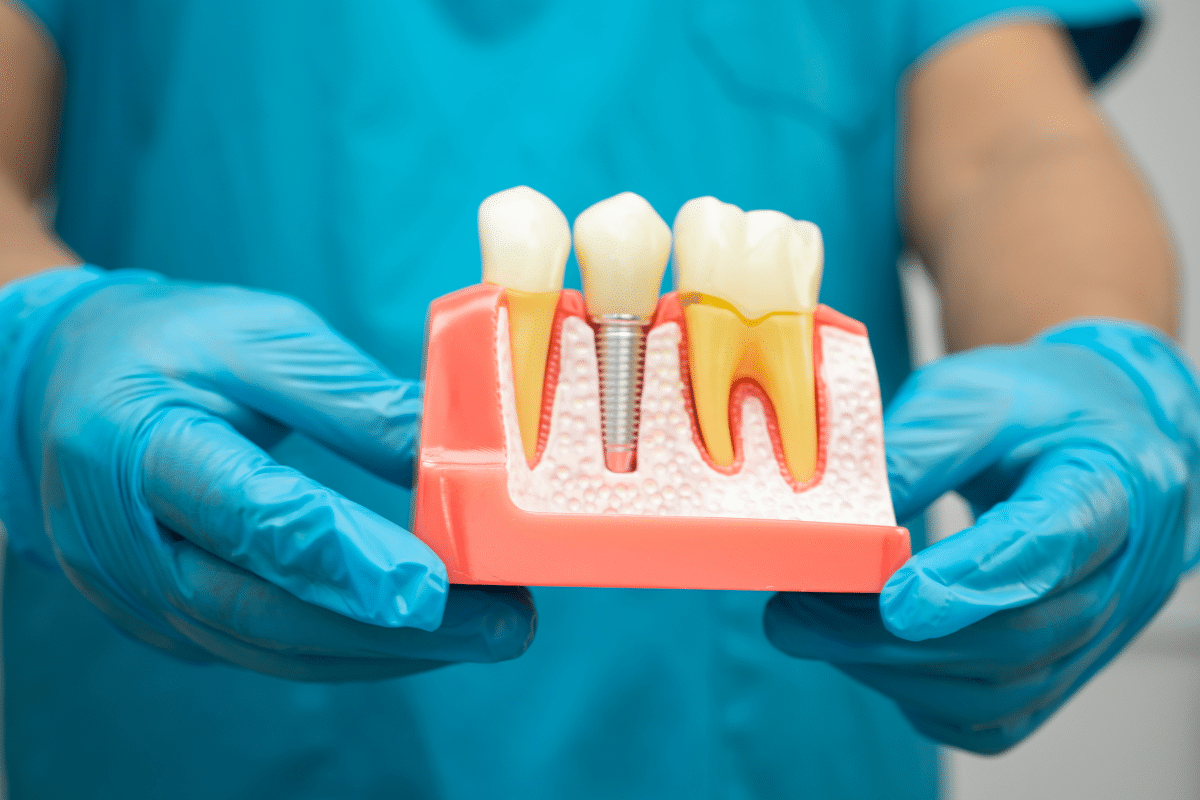
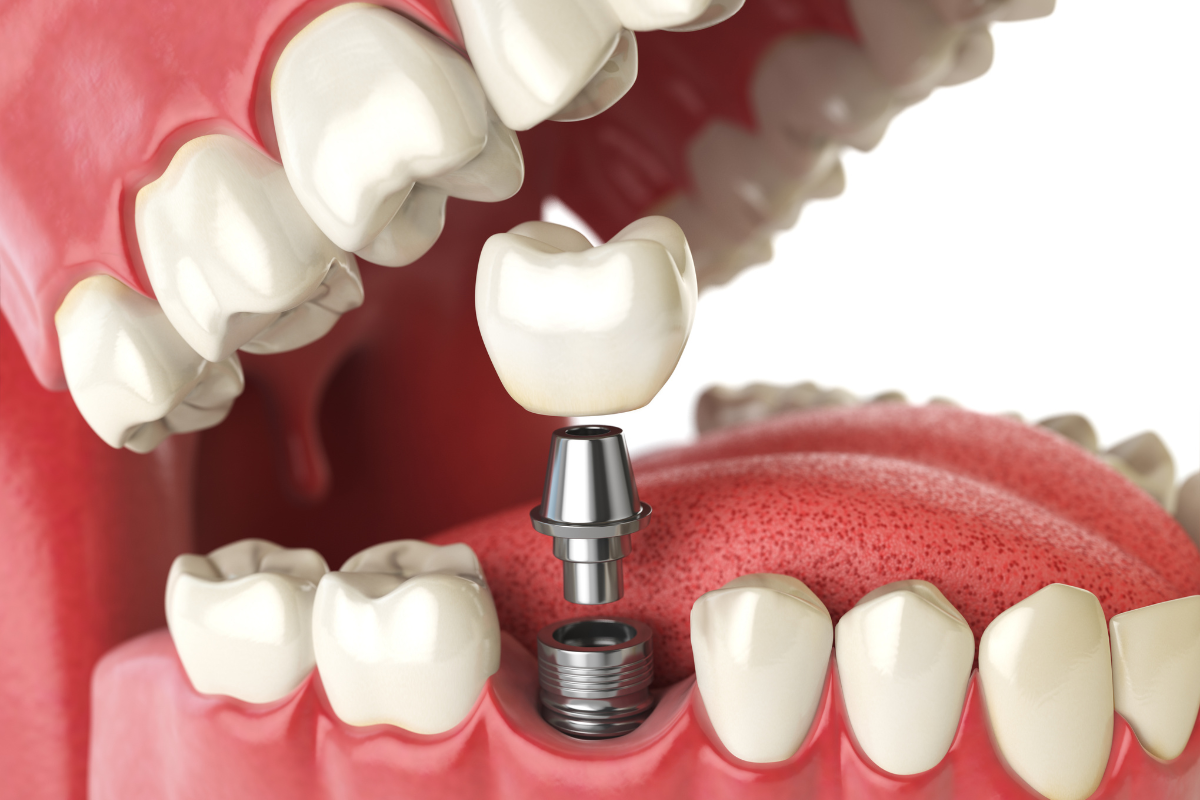
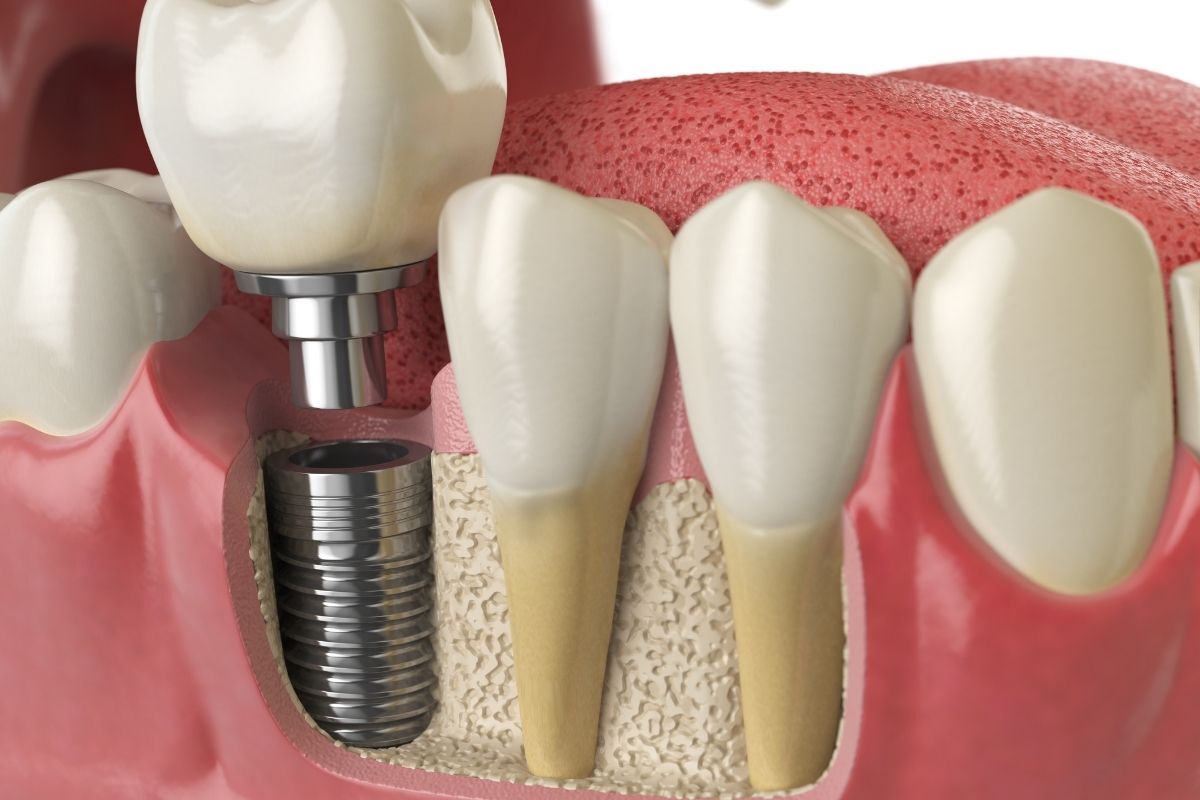
The visible gum tissue often settles sooner than the bone beneath it. Over the next several months, the implant joins with the jawbone through a process called osseointegration. This stable bond is what allows the final crown, bridge, or denture to function as a tooth replacement.
The timing varies. A simple placement may follow a standard schedule, while a site that requires a bone graft or tooth removal may need more time. Keep every follow-up visit. Your provider will check the gum tissue, bite, and implant stability before moving to the restoration phase.
At Wright Smiles, we explain what your healing checkups show and what comes next. If a concern arises, visit our dental office rather than waiting for a routine appointment. Patients looking for dental implants in Southlake should also tell their medical provider about diabetes, tobacco use, or medicines that may affect healing.
What Can Slow Recovery After Implant Treatment?
Recovery is not identical for everyone. Tobacco and nicotine use can reduce blood flow and interfere with healing. Uncontrolled diabetes, active gum disease, poor oral hygiene, and pressure on the surgical site can also create problems. Share a complete medical history and medication list before treatment, then follow the post-operative plan closely.
Once the final restoration is in place, maintenance remains essential. Brush twice daily, clean between teeth with the tools recommended for your restoration, and attend regular cleanings and exams. A dentist can spot inflammation, bite changes, or a loose restoration before they become more involved concerns.
When Should You Call the Office?
Some discomfort is expected, but worsening symptoms deserve prompt attention. Call if you notice:
- Bleeding that does not slow with directed pressure.
- Pain or swelling that intensifies after several days
- Fever, pus, a persistent bad taste, or increasing redness
- Numbness that lasts longer than expected
- A loose implant, healing cap, temporary tooth, or final restoration
Do not try to tighten or remove anything at home. Timely follow-up can protect the treatment site and provide reassurance when healing is normal.
Support Your Recovery With Consistent Care
Recovery asks for patience, but each step has a purpose. Rest, careful cleaning, nutritious soft foods, and follow-up visits help create the conditions for a stable result. Dental implants in Southlake can restore function for years when placed and maintained with attention to your oral and overall health.
At Wright Smiles, we are here to answer questions before and after your procedure. If you need post-treatment guidance or want to discuss your tooth-replacement options, book an appointment with our Southlake team today.
Frequently Asked Questions
How long does soreness last after implant surgery?
Many patients notice the most tenderness in the first few days. It should gradually improve, not worsen. If pain increases or interrupts normal recovery, contact your dentist for a prompt evaluation and clear next steps.
When can I eat normally again?
Start with soft foods and advance your diet only when your care instructions allow. Avoid chewing directly on the surgical area. A follow-up visit can confirm when it is safe to return to more textured foods.
Is bleeding after the procedure normal?
Light oozing during the first day can be normal. Bleeding that is heavy, persistent, or returns after slowing needs attention. Call the office so a dentist can help you protect the surgical site.
Can I brush my teeth after surgery?
Yes, but brush gently and follow the instructions for the treatment area. Keep the rest of your mouth clean while avoiding direct trauma to the site. Ask the office which rinse and brushing method to use.
What are signs of implant infection?
Increasing pain, swelling, redness, fever, pus, or a lasting unpleasant taste may signal a problem. Do not wait for a scheduled visit. Contact the office promptly for an assessment and treatment guidance.
Why are follow-up appointments important?
Follow-ups allow the team to monitor gum healing, bone integration, and bite pressure. They also provide time to address questions early. Consistent post-treatment care supports a stable, comfortable tooth replacement.