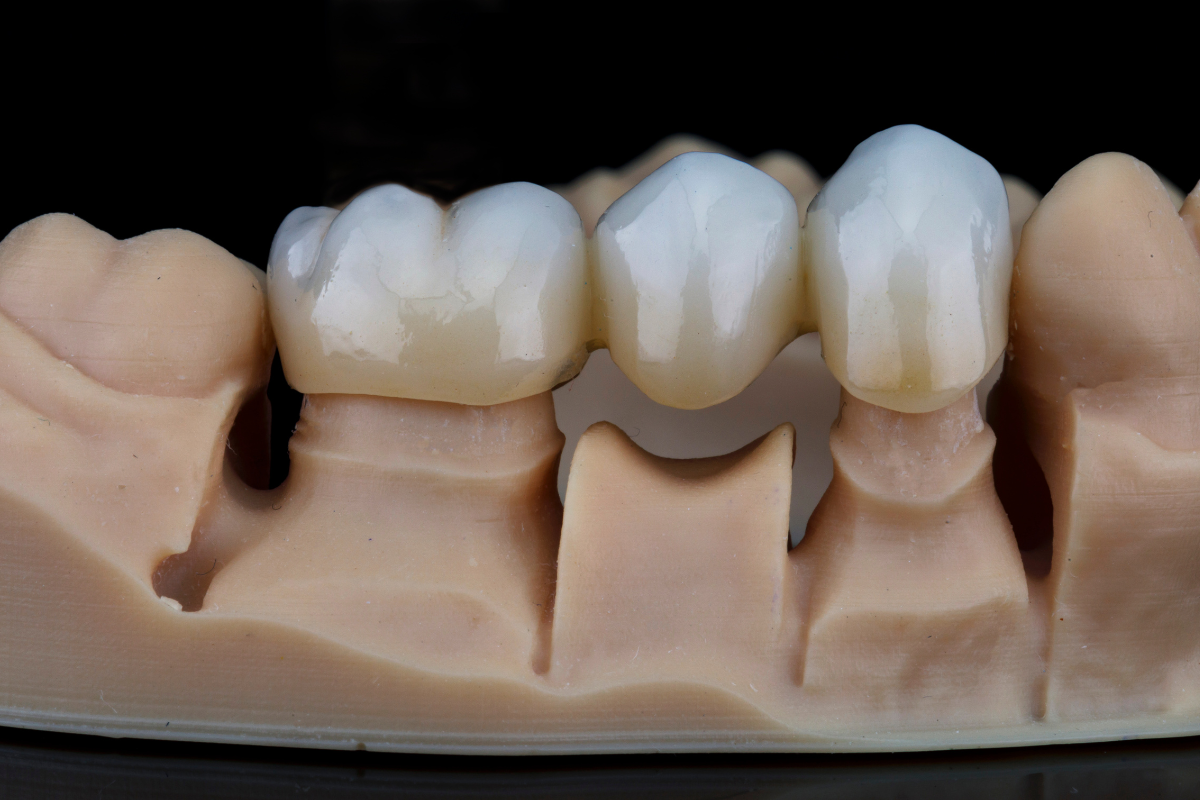
The Cantilever Bridge: A Dental Marvel



A cantilever dental bridge, a unique type of dental bridge, is used to replace one or more missing teeth. Unlike traditional bridges, which are supported by teeth on both sides of the gap, a cantilever bridge is supported by teeth on only one side. This unique feature makes it an ideal choice when healthy teeth are on one side of the gap but not on the other.
How Does a Cantilever Bridge Work?
A cantilever bridge consists of two main parts:
- Abutment Teeth: These are the healthy teeth that support the bridge.
- Pontic: This is the artificial tooth or teeth that replace the missing teeth.
The pontic is attached to the abutment teeth using a crown. The crown is a cap placed over the abutment tooth to strengthen it and provide a solid anchor for the bridge.
Advantages of Cantilever Bridges
- Less Invasive: Cantilever bridges require fewer dental procedures than traditional dental bridges.
- Aesthetics: Cantilever bridges can look very natural and are mainly made from porcelain.
- Durability: When properly cared for, cantilever bridges can last many years.
Disadvantages of Cantilever Bridges
- Limited Use: Cantilever bridges are only suitable for replacing one or two missing teeth.
- Stress on Abutment Teeth: Because teeth support the bridge on only one side, the abutment teeth are more prone to anxiety and wear.
- Cost: Cantilever bridges can be more expensive than other dental bridges.
Is a Cantilever Bridge Necessary?
The best way to determine if a cantilever bridge is right for you is to consult a qualified dentist. With their expertise, your dentist will assess your oral health and discuss your treatment options, ensuring you make the best decision for your oral health.
Here are some factors that your dentist will consider:
- The number of missing teeth: Cantilever bridges are best suited for replacing one or two missing teeth.
- The health of the abutment teeth: The abutment teeth must be strong and healthy enough to support the bridge.
- Your bite: A sound bite is essential for the long-term success of a cantilever bridge.
- Your lifestyle: A cantilever bridge may not be the best option if you grind your teeth or clench your jaw.
Caring for Your Cantilever Bridge
To ensure the longevity of your cantilever bridge, it is essential to practice good oral hygiene. This includes:
- Brushing your teeth twice a day with a fluoride toothpaste.
- Flossing daily to remove plaque and food particles.
- Scheduling regular dental checkups and cleanings.
- Avoiding hard foods that could damage the bridge.
By following these tips, you can enjoy the benefits of a cantilever bridge for many years.
Wright Smiles Southlake: Your Partner in Oral Health
At Wright Smiles Southlake, we are committed to providing our patients with the highest-quality dental care. If you are considering a cantilever bridge, we would happily answer any questions. Please schedule a Consultation with us today.