From cringe to comfort: the evolution of root canal therapy


For decades, just hearing the words “root canal” made people anxious. Many patients still picture long appointments, severe pain, and lingering discomfort. That fear keeps them awake at night when a tooth starts throbbing. It keeps them postponing care even when the pain becomes hard to ignore.
But modern dentistry has changed dramatically.
Today, patients who need root canal treatment Southlake no longer have to fear the experience many people remember from years ago. Advances in dental technology, improved imaging, and modern anesthesia techniques have transformed the way root canal procedures are performed. When you receive root canal treatment in Southlake, the focus is on comfort, precision, and long-term relief — helping eliminate infection while preserving your natural tooth with minimal discomfort.
If you are dealing with tooth pain and wondering what your options are, understanding how root canal therapy has evolved can help you feel more confident about taking the next step.
The Problem: Why Root Canals Have a Bad Reputation
The fear surrounding root canal therapy often comes from stories passed down over generations. Years ago, dental technology was limited. Imaging was less precise. Anesthesia methods were not as refined. Procedures sometimes took longer than they do today.
As a result, many people still associate root canals with discomfort.
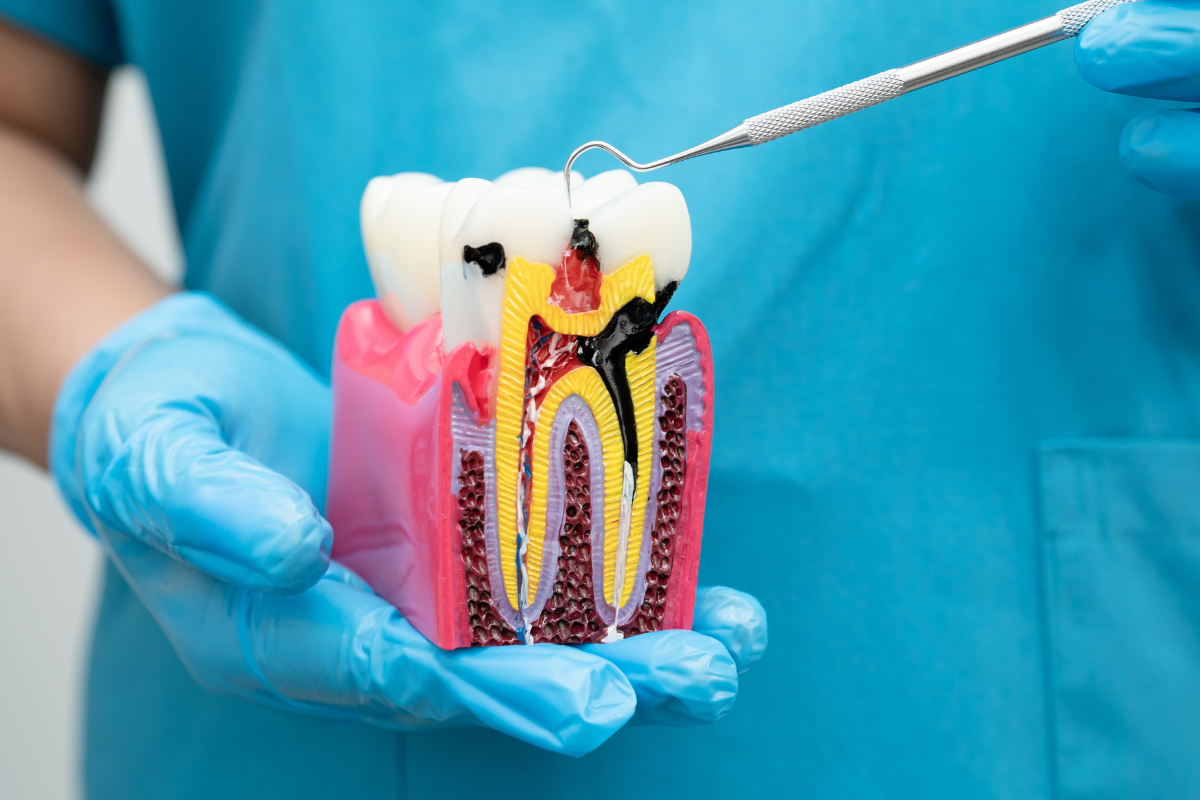
The truth is that the pain most people remember is caused by infection inside the tooth — not the procedure itself. A root canal is actually designed to eliminate that pain by removing infected tissue and sealing the tooth.
When infection reaches the inner pulp of a tooth, it can cause:
- Persistent throbbing pain
- Sensitivity to hot or cold
- Swelling in the gums
- Pain when chewing
- Darkening of the tooth
Without treatment, the infection does not go away. It spreads.
Why It Matters: Saving Your Natural Tooth
Your natural teeth are designed to last a lifetime. When infection damages the inner portion of a tooth, extraction may seem like a simple solution. However, removing a tooth can lead to shifting teeth, bite problems, and bone loss over time.
Root canal therapy allows you to preserve your natural tooth structure while removing the source of infection.
Modern root canal treatment in Southlake focuses on precision and preservation. By cleaning the inner canals and sealing them properly, dentists can restore strength and function to the tooth.
Saving your natural tooth helps maintain:
- Proper chewing function
- Jawbone stability
- Natural appearance
- Long-term oral health
The Risks of Delaying Treatment
Many patients try to manage tooth pain with over-the-counter medication. While pain relievers may reduce discomfort temporarily, they do not eliminate the infection.
Delaying care can result in:
- Worsening pain
- Abscess formation
- Swelling that spreads to the surrounding tissues.
- Tooth loss
- Emergency treatment
In severe cases, untreated infection can affect overall health.
What starts as mild discomfort can quickly turn into a dental emergency. Early intervention prevents complications and reduces treatment complexity.
Root Canal Treatment Southlake: What Has Changed?
Modern root canal therapy is very different from what people imagine.
Today’s procedure includes:
- Advanced Digital Imaging- High-resolution imaging allows precise diagnosis and targeted treatment.
- Effective Local Anesthesia- Patients remain comfortable throughout the procedure.
- Efficient Techniques- Improved tools allow dentists to clean and shape canals more accurately and quickly.
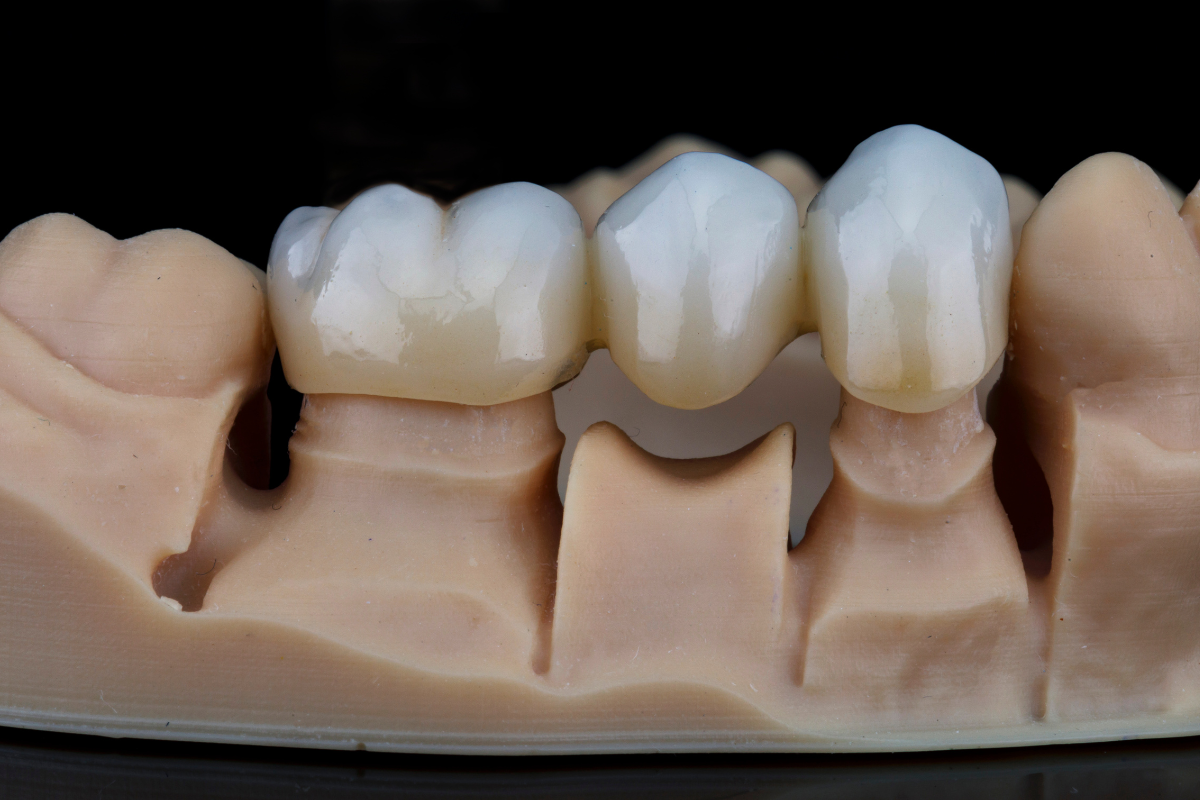
- Restorative Protection- After treatment, a dental crown is often placed to restore strength and prevent fracture.
Most patients report that a root canal feels similar to receiving a dental filling. The procedure is designed to relieve pain — not cause it.
What to Expect During the Procedure
Understanding the process helps reduce anxiety.
- The area is numbed to ensure comfort.
- The infected pulp is carefully removed.
- The inner canals are cleaned and disinfected.
- The space is sealed to prevent reinfection.
- A crown may be recommended to restore full function.
In many cases, treatment can be completed in one or two visits, depending on the severity of the infection.
Why Local Experience Matters
Choosing a dental provider who emphasizes thorough diagnosis and patient education makes a significant difference in outcomes.
At Wright Smiles, patients receive comprehensive evaluation and personalized care planning. Every case is carefully assessed to determine whether root canal therapy is the most appropriate solution.
Serving families in and around Southlake, TX, the team focuses on comfort, communication, and long-term results. Clear explanations and modern techniques help patients feel informed and at ease throughout the process.
If you are experiencing persistent tooth pain, early evaluation is critical.
Take the First Step Toward Relief
Tooth pain rarely resolves on its own. Waiting often increases discomfort and complexity.
If you suspect you may need root canal treatment southlake, scheduling an exam as soon as possible can protect your tooth and relieve pain.
Wright Smiles provides modern Root canal therapy designed to restore comfort and preserve your natural smile.
Your Path From Pain to Comfort
Root canal therapy has evolved from a feared procedure into a predictable and comfortable solution for infected teeth. With modern techniques and proper care, you can move from anxiety to relief in a single appointment.
If you are experiencing tooth pain, do not delay evaluation. Early treatment protects your smile and prevents complications.
Schedule your appointment with Wright Smiles today and take the first step toward lasting comfort.
Frequently Asked Questions
Does a root canal hurt?
Modern root canal therapy is performed under local anesthesia. Most patients report that the procedure feels similar to getting a filling.
How long does a root canal take?
The procedure typically takes 60 to 90 minutes. Complex cases may require a second visit.
What happens if I avoid a root canal?
An untreated infection can worsen, cause swelling, lead to abscess formation, and potentially result in tooth loss.
How do I know if I need a root canal?
Common signs include severe tooth pain, prolonged sensitivity to hot or cold, swelling, or a darkened tooth. A dental exam and X-rays confirm the diagnosis.
Is it better to extract the tooth?
Saving your natural tooth is usually the preferred option when possible. Root canal therapy allows you to preserve natural function and structure.
How long does a tooth last after a root canal?
With proper restoration and regular dental care, a treated tooth can last many years.
Will I need a crown after treatment?
In most cases, a crown is recommended to strengthen and protect the tooth after root canal therapy.
Is root canal treatment safe?
Yes. It is a common and well-established procedure designed to remove infection and restore oral health.