Can I Get Dentures If I Haven’t Had Teeth For A Long Time?


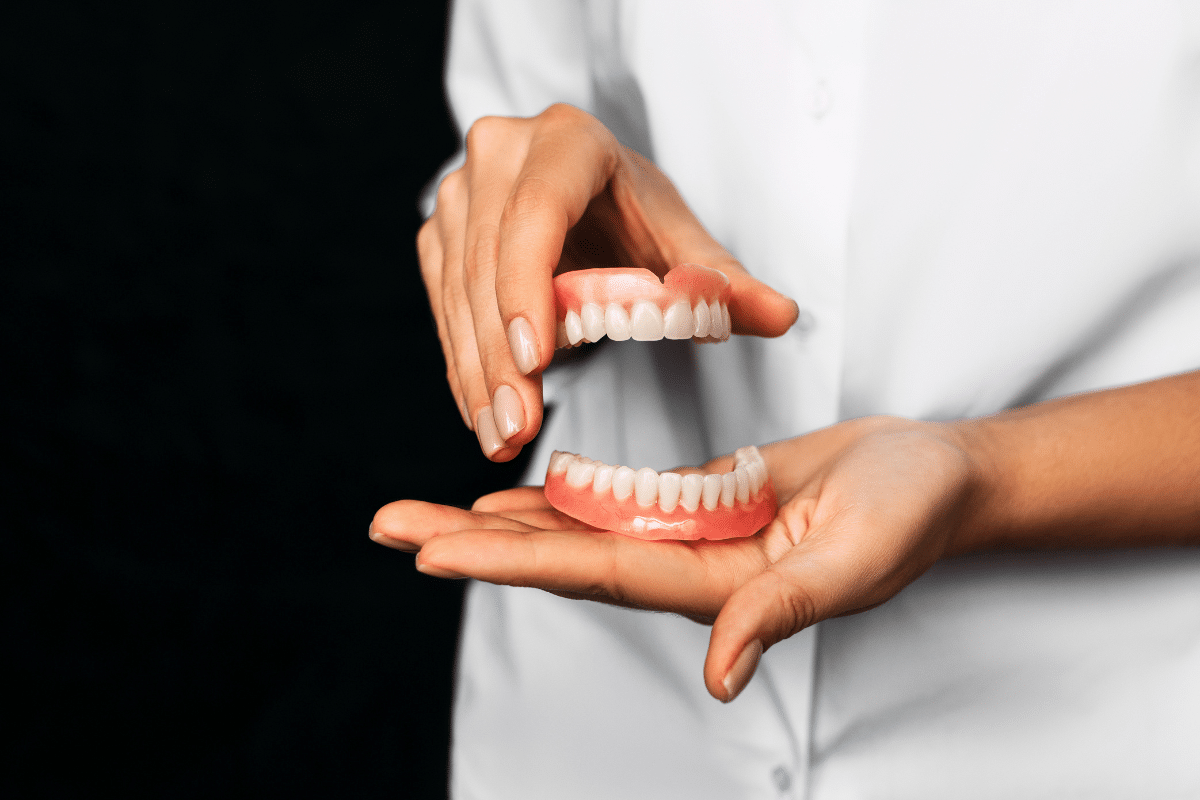
Living without natural teeth for years can change your appearance and affect your speech and chewing. Many adults assume that after a long period without natural tooth structure, replacement options are limited. Fortunately, that is not true. Modern denture solutions have advanced significantly, making it possible to restore both function and appearance, no matter how long it has been.
How Long-Term Tooth Loss Affects Your Oral Health
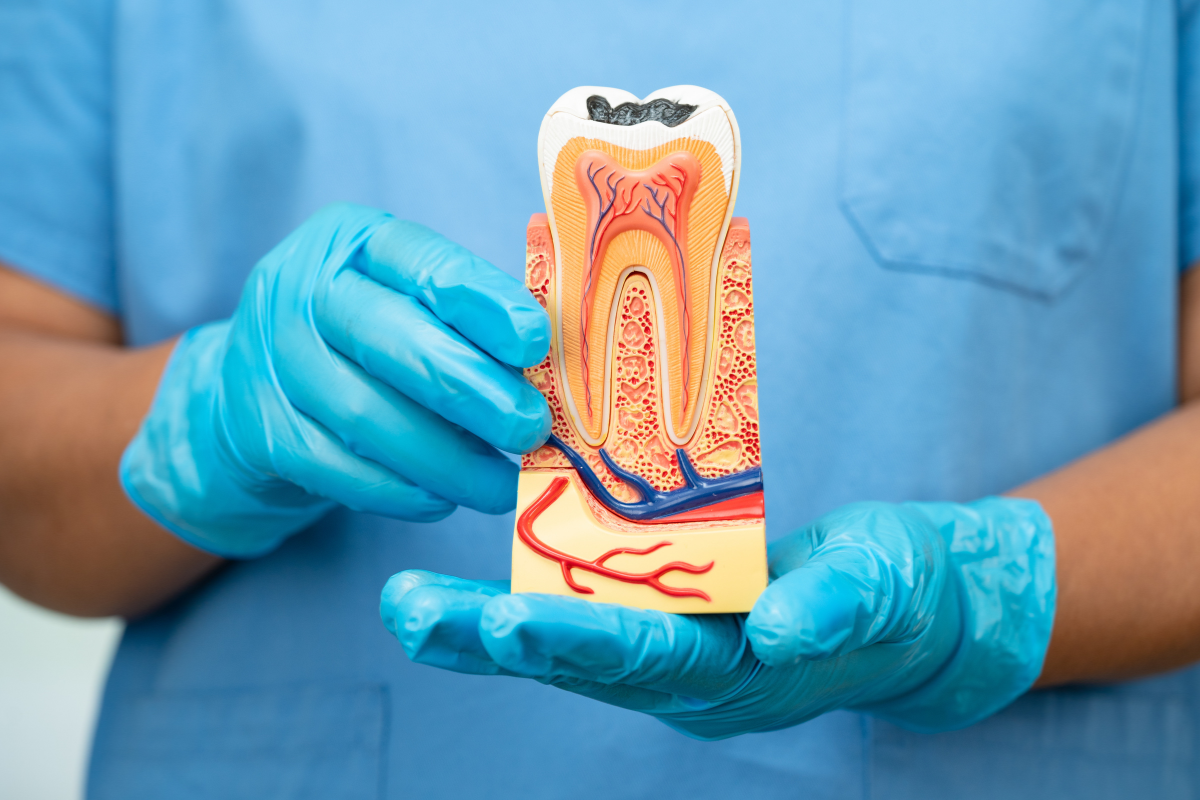
When natural tooth roots are missing for a long time, the jawbone begins to resorb, meaning it gradually loses density and volume. This process can make the lower face appear sunken or aged. Also, gum tissue can shrink, affecting how replacement devices fit.
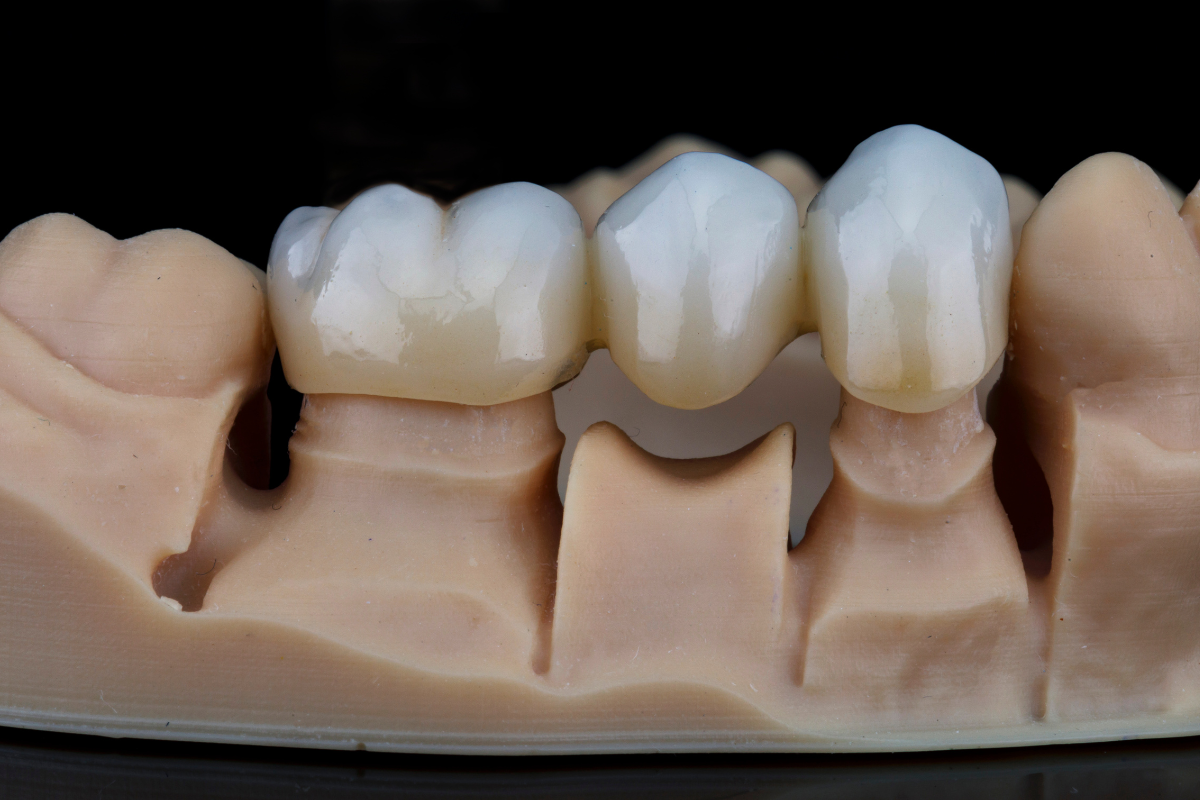
Even if bone loss or gum changes have occurred, modern restorative prosthetics and surgical techniques can often correct these issues. In fact, technology such as 3D imaging, bone grafting, and soft-tissue contouring helps practitioners design functional, stable, and natural-looking solutions.
Can You Get Dentures After Years Without Natural Teeth?
Yes, you can. However, the process may require additional preparation to ensure your new smile fits correctly and feels comfortable. The type of restoration recommended will depend on your oral condition, jawbone health, and personal goals.
- Conventional dentures can be created once the gums are healthy and the bone structure is evaluated.
- Implant-supported dentures may be an option if there is enough bone density or if grafting is done to rebuild it.
- Flexible base dentures can offer comfort for patients with sensitive or uneven gums.
If you have gone many years without replacements, a specialist may start with a temporary set. This will help your mouth adjust before fitting a long-term restoration.
The Role Of Modern Technology In Denture Restoration
Today’s techniques allow clinicians to map every contour of your gums and bone with digital scanning and computer-guided design. This ensures precision in crafting dentures that look and feel natural. Advanced materials such as acrylic resin, zirconia, and hybrid polymers make modern prosthetics durable, lightweight, and lifelike.
If you are considering treatment, a restorative dentist in Southlake can evaluate your bone structure and discuss whether you are a good candidate for conventional or implant-retained dentures. Even after years of tooth loss, you may be pleasantly surprised at how customized and secure the results can be.
Benefits Of Replacing Missing Teeth For Oral Health
Getting a well-fitted restoration is about aesthetics and restoring essential function and health.
- Improved Nutrition: You can eat a wider range of foods comfortably.
- Enhanced Speech: Clear pronunciation returns with better oral support.
- Facial Rejuvenation: Proper alignment restores natural contours of the lips and cheeks.
- Renewed Confidence: Smiling, laughing, and socializing become effortless again.
Replacing missing teeth also helps prevent further bone deterioration and supports long-term oral stability.
What To Expect From The Denture Restoration Process
Restoration typically begins with a comprehensive evaluation, including X-rays or cone beam CT scans to assess bone quality. A specialist will then discuss whether conventional dentures, implant-supported dentures, or hybrid designs are best for you.
Once impressions are taken and adjustments are made, your new prosthetic is crafted for a secure, natural fit. Most patients report that comfort and function feel second nature after a short adjustment period.
Even if it has been years since your last tooth extraction, a skilled restorative dentist in Southlake can design a personalized treatment plan. This plan focuses on rebuilding your smile, improving your appearance, and ensuring lasting oral wellness.
Reclaim Your Confidence And Comfort
Living without a complete smile does not have to be permanent. Modern dentures and other restorative solutions can replace what has been lost and restore function and self-assurance. Whether you have been missing teeth for a few months or many years, it is never too late to decide on achieving a natural-looking, fully functional smile. Visit our dental office to learn about your dental restoration options that can renew your confidence and bring back the joy of a complete, healthy smile.
What are the different types of dentures?
There are full and partial dentures. Full dentures replace all teeth in an arch, while partial ones fill in gaps when some natural teeth remain.
How do I take care of my dentures?
Brush your false teeth daily with a soft-bristle brush and a mild cleanser. Rinse them after meals, soak overnight, and visit your dentist regularly for adjustments.
Do dentures hurt at first?
It is normal to experience mild discomfort during the initial adjustment period. This usually subsides as your mouth adapts to the new prosthetics.
Can I eat normally with dentures?
Initially, stick to soft foods and cut them into small pieces. Gradually reintroduce other foods as you become more comfortable.
How long do dentures last?
With proper care, they can last 5 to 10 years. Regular check-ups ensure they remain in good condition and fit properly.