Ready for a New Smile? See if Dental Implants Are Right for You



Dental implants are among the most popular and effective options for restoring a smile. They provide a permanent and natural-looking alternative to missing teeth, allowing you to regain both function and confidence. If you’re considering this treatment but aren’t sure whether you’re a candidate, it’s important to understand the factors that make someone eligible for this procedure.
In this blog, we’ll explore who qualifies for dental restorations, the steps involved, and how this treatment can change your life. Whether you’re in this city or nearby, we’ll guide you through the essentials to help you make an informed decision.
What Are Dental Implants and How Do They Work?
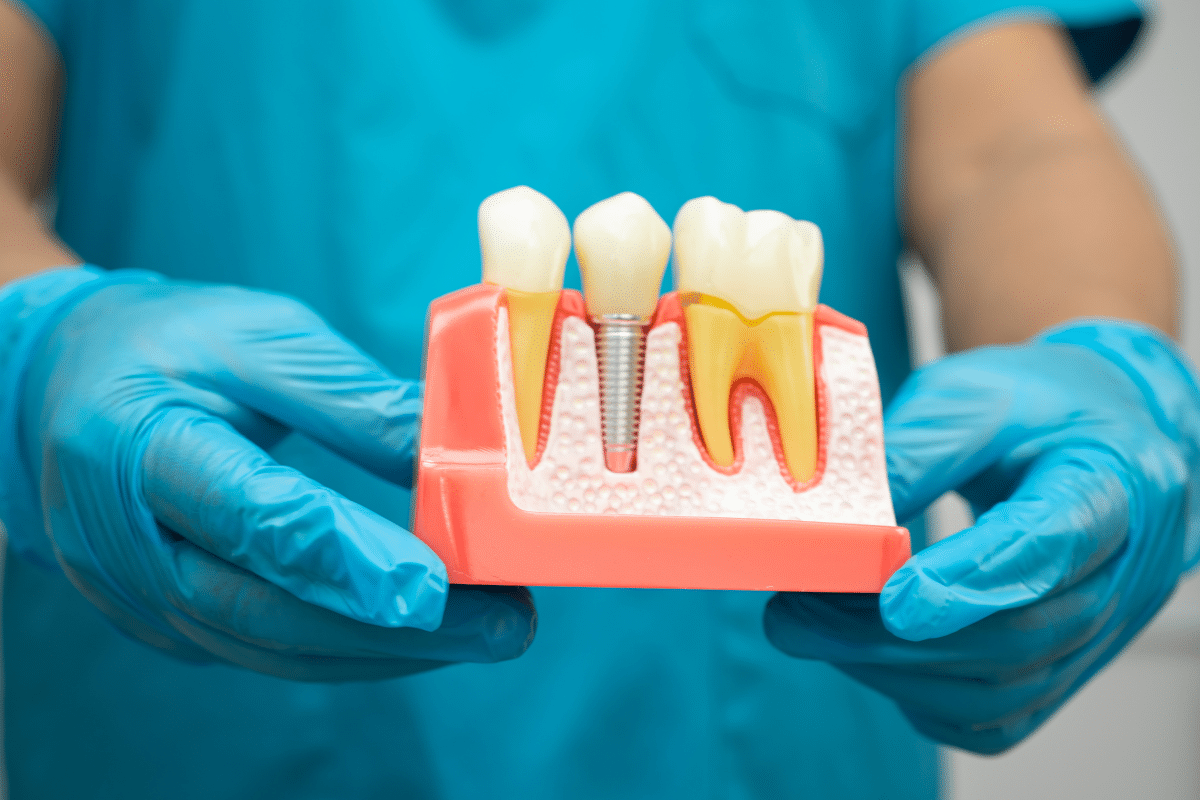
Dental restorations are small titanium posts that replace the roots of missing teeth. These posts are surgically placed into the jawbone and act as a foundation for replacement teeth, like crowns, bridges, or dentures. Unlike traditional dentures, implants offer a permanent solution that integrates with your bone structure for a more natural feel and appearance.
Key Benefits of Dental Implants
Here are the advantages you will experience after getting this treatment:
- Long-lasting: These restorations can last a lifetime with proper care.
- Improved Function: They allow for normal chewing and speaking.
- Natural Appearance: The restored tooth blends seamlessly with your natural teeth.
- Jawbone Preservation: They help maintain the structure of your jawbone, preventing bone loss.
Am I a Candidate for Dental Implants?
Not everyone is immediately suited for dental implants in Southlake, but most people who are in good health and have healthy gums can benefit from this solution. Here are the key factors that determine if you’re a good candidate:
1. Good Overall Health
This surgery requires a person to be in generally good health. If you have any chronic conditions like diabetes or cardiovascular disease, it’s important to discuss these with your dentist beforehand.
2. Healthy Gums
Your gums must be healthy enough to support the restoration. Gum disease can lead to failure, so your dentist will check for any infections or conditions that might affect the healing process.
3. Adequate Bone Density
Your jawbone needs to be strong enough to support the implant posts. If you’ve experienced bone loss due to tooth loss, your dentist may recommend a bone graft before proceeding with the treatment.
4. Non-Smokers Are Preferred
Smoking can hinder the healing process and affect the success rate of dental restorations. If you’re a smoker, your dentist will likely advise you to quit before undergoing the procedure.
5. Realistic Expectations
While these permanent replacements can restore your smile, it’s important to have realistic expectations about the process. It requires patience, as the restoration needs time to integrate with the jawbone.
What Happens During the Dental Implant Process?
The process for dental implants Southlake typically involves a few key steps:
Consultation and Planning
You’ll start with a consultation where your dentist will evaluate your oral health, take X-rays, and discuss your goals. This is when the treatment plan is created.
Surgical Placement of the Implant
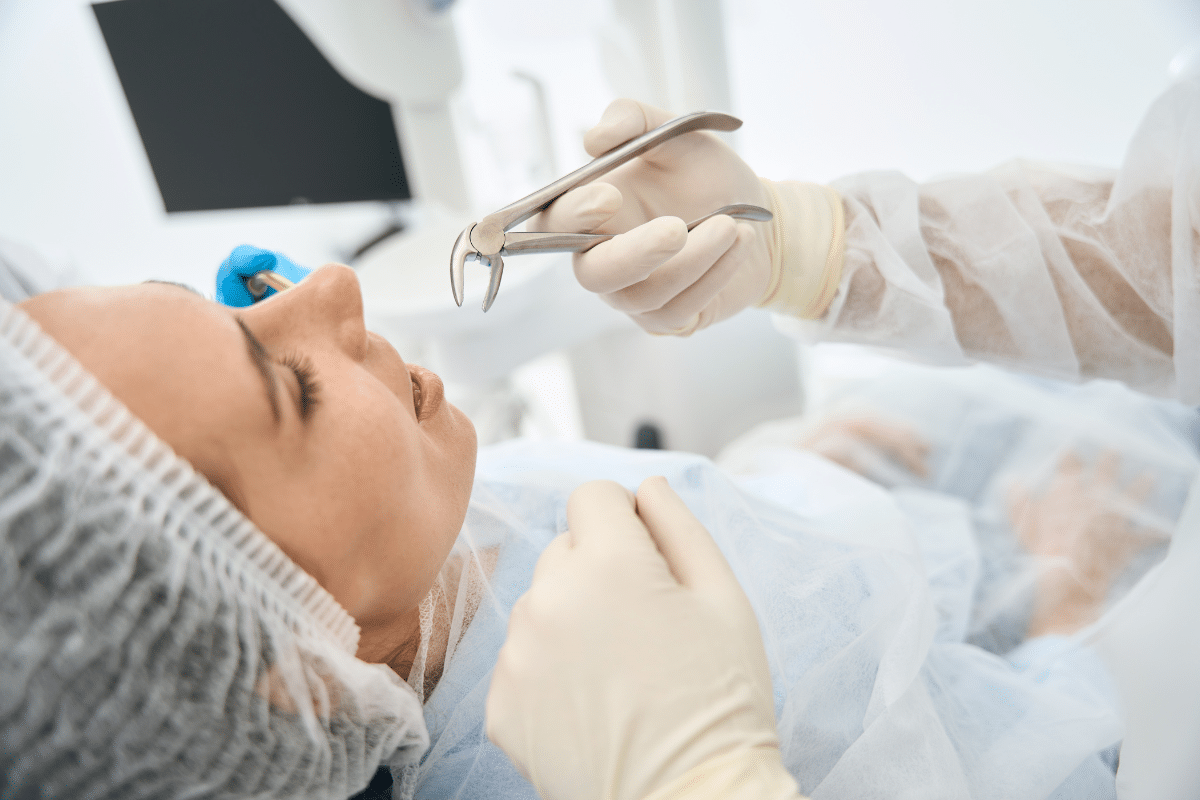
The restoration post is placed into your jawbone. This surgery is done under local anesthesia, and most patients report minimal discomfort afterward.
Osseointegration
Over the next few months, the implant will fuse with your jawbone in a process called osseointegration. This ensures that the restoration is securely anchored in place.
Placement of the Restoration
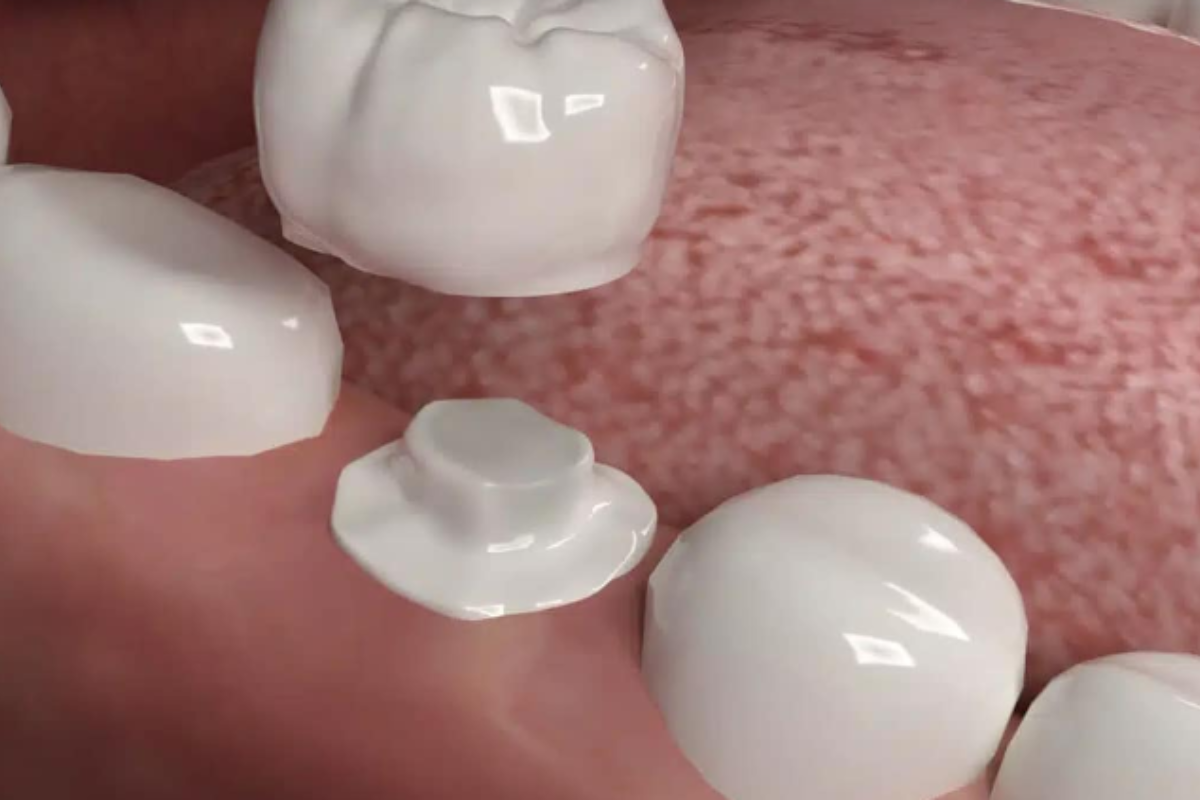
After the implant has fully integrated, a custom-made crown, bridge, or denture is placed on top to complete the restoration.
Take the First Step Toward Your New Smile
If you’re ready to explore whether dental restorations are the right solution for you, visit us. Schedule a consultation with our team at Wright Smiles. We’ll evaluate your oral health, review treatment options, and explain how they can enhance your smile and quality of life.
How long do dental implants last?
These prosthetic teeth can last a lifetime with proper care, such as regular brushing, flossing, and visits to your dentist. The restoration (crown or bridge) may need to be replaced after a few years.
What is the recovery time for dental implants?
Most people experience a recovery time of 3–6 months for the implant to fully integrate with the jawbone. After the procedure, patients may need a few days to recover from any initial discomfort.
Is the dental implant procedure painful?
The procedure is typically done under local anesthesia, so most patients experience minimal pain. Afterward, there may be some swelling and discomfort, but this can be managed with over-the-counter pain relievers.
Can I get implants if I have gum disease?
Gum disease must be treated and under control before considering these prosthetic teeth. If you have gum disease, your dentist will recommend treatment options to ensure the success of your treatment.
Are dental implants a good option for seniors?
Yes, seniors in good health can also be candidates for these restorations. It’s important to have a thorough consultation with your dentist to ensure that your gums and bone density are in good condition.