Are Dental Bridges the Right Choice for Me?


Missing teeth often create more than a visual gap. You may notice difficulty while chewing certain foods. Some words may not sound as clear as before. Over time, nearby teeth can shift, which affects your bite and comfort. These changes may feel small at first, but they can lead to bigger concerns if ignored.
Many people across Southlake, Carillon, Timarron, South Ridge Lakes, Bancroft, and Clairemont face this same situation. They want a solution that restores both function and appearance without adding complexity to their daily routine.
One option that continues to help patients regain balance in their smile is dental bridges. This solution focuses on replacing missing teeth while preserving your natural alignment.
At Wright Smiles, Dr. Wright helps patients understand their options with clarity. The goal is to guide you toward a decision that supports long-term oral health and daily comfort.
Understanding Dental Bridges and How They Restore Your Smile
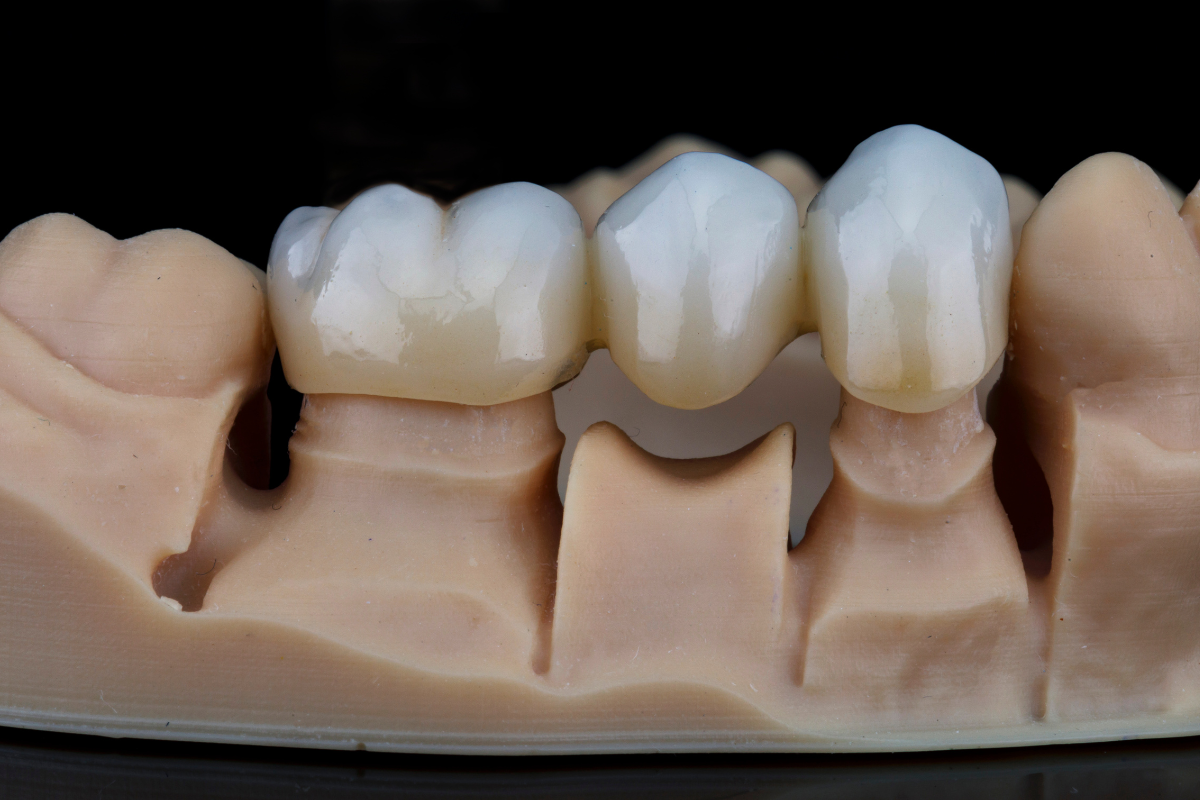
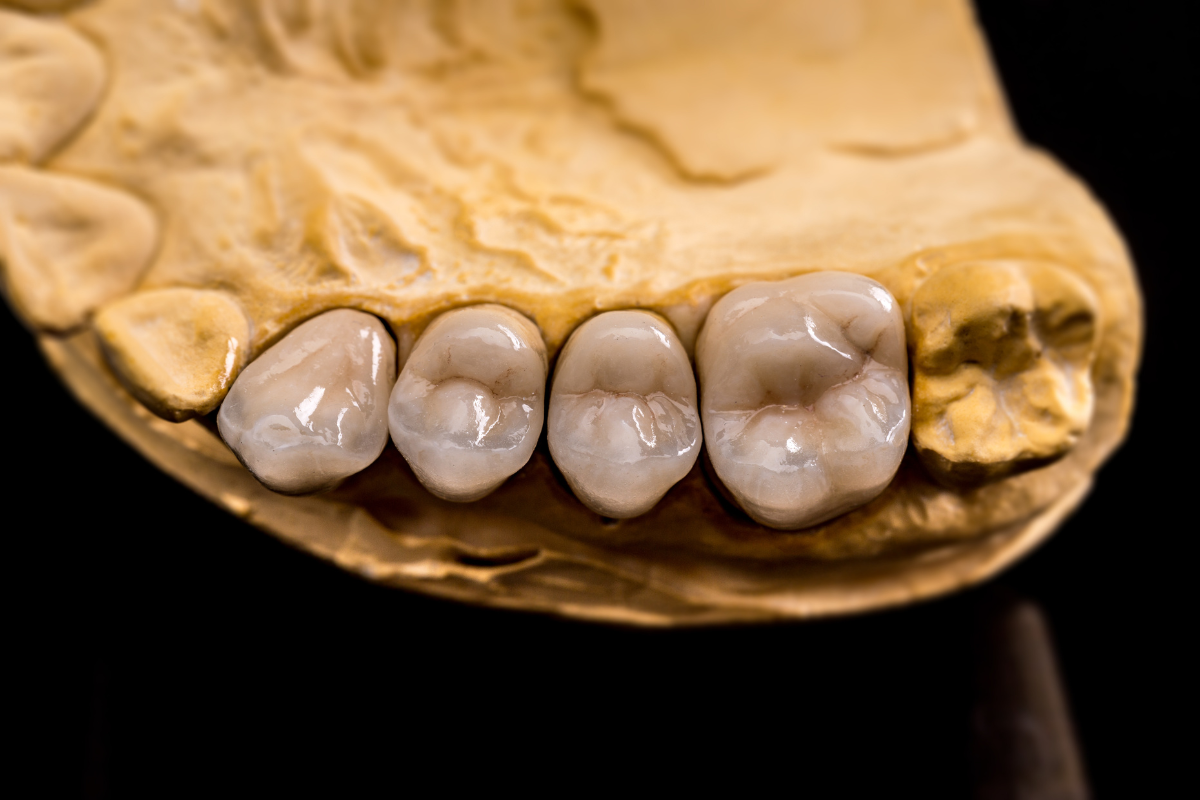
These restorations replace one or more missing teeth by using nearby teeth for support. These supporting teeth hold the replacement tooth in place, creating a complete and stable structure.
It typically includes:
- Supporting teeth on each side of your dental gap
- A custom-made replacement tooth that fills the vacant space
This structure restores both function and appearance. It allows you to chew comfortably and speak with ease. It also keeps your natural teeth from shifting out of position.
If you are exploring dental bridges in Southlake, this treatment offers a fixed solution that blends into your smile and supports daily function.
Common Dental Problems That Bridges Can Fix
Tooth loss can lead to a range of oral health concerns. Addressing these concerns early helps protect your overall dental structure.
Here are some key issues this restoration helps resolve:
Gaps That Affect Appearance
A missing tooth can make your smile feel incomplete. This restoration fills that space and restores balance.
Difficulty While Eating
Chewing becomes uneven when a tooth is missing. This may cause you to avoid certain foods.
Speech Changes
Gaps can affect how air flows while speaking, making certain words harder to pronounce.
Shifting of Natural Teeth
Teeth naturally move toward empty spaces. This can cause misalignment over time.
Bite Imbalance
Uneven pressure on your teeth can lead to discomfort in your jaw and surrounding areas.
A well-planned dental bridge treatment helps correct these concerns and supports a stable, healthy bite.
Who Is the Right Candidate for a Dental Bridge
Not every patient has the same needs, so a proper evaluation plays an important role. Your dentist will check your teeth, gums, and overall oral condition before recommending this option.
You may be a suitable candidate if:
- You have one or more missing teeth.
- You have strong teeth next to the gap.
- Your gums are in stable condition.
- Your bite remains fairly balanced.
- You follow consistent oral hygiene habits.
Patients who prefer a fixed option often find this solution convenient. It stays in place and does not require removal during daily activities.
Key Benefits of Choosing a Dental Bridge
This treatment offers several advantages that go beyond appearance. It supports your overall oral function and daily comfort.
- Restores Chewing Ability
You can enjoy a wider variety of foods without discomfort or hesitation.
- Maintains Facial Structure
Missing teeth can affect facial shape over time. A bridge helps support natural contours.
- Prevents Teeth from Shifting
It keeps surrounding teeth in their proper position.
- Improves Smile Appearance
It fills gaps and creates a more uniform look.
- Provides Stability
Since it remains fixed, it feels secure during eating and speaking.
With proper care, tooth bridges can support both comfort and confidence for many years.
Step-by-Step Process of Getting a Dental Bridge
Knowing what to expect can make the process feel more manageable. Each step focuses on accuracy, comfort, and long-term results.
- Initial Consultation and Evaluation
Your dentist examines your teeth and gums. This helps determine if your teeth can support this tooth prosthetic.
- Preparing the Supporting Teeth
The teeth next to the gap are shaped to hold the structure securely.
- Taking Impressions
Precise measurements are taken to create a natural-looking restoration.
- Temporary Placement
A temporary bridge protects the area while the final one is being prepared.
- Final Placement and Adjustment
The custom bridge is placed and adjusted for a comfortable fit.
Each step ensures that the final result feels natural and functions properly.
Daily Care Tips to Make Your Tooth Restoration Last Longer
Proper care plays a major role in maintaining your restoration. Simple habits can help extend its lifespan and keep your surrounding teeth healthy.
Follow these care tips:
- Brush twice daily with a soft toothbrush.
- Clean around the bridge carefully to remove plaque.
- Use floss or special tools to clean underneath.
- Avoid chewing very hard or sticky foods.
- Visit your dentist regularly for checkups.
Consistent care supports long-term comfort and stability.
Why Patients in Southlake Choose Wright Smiles for Bridges
Choosing the right dental office makes a difference in both your experience and results. Patients from Southlake and nearby communities look for care that feels clear, supportive, and focused.
At Wright Smiles, The Approach Centers On:
- Clear communication at every step
- Careful planning for long-term results
- Attention to both function and appearance
- A calm and comfortable experience during visits
If you are considering dental bridges in Southlake, guidance from a team focused on clarity and patient comfort helps you move forward with confidence.
Take the Next Step Toward a Complete Smile
Living with missing teeth can affect how you eat, speak, and feel each day. Addressing the issue early helps prevent further complications and restores balance to your smile.
A dental bridge offers a practical and stable way to replace missing teeth. The key is understanding whether it fits your needs.
At Wright Smiles, Dr. Wright provides clear recommendations based on your oral health and goals. You will gain a better understanding of your options and what works best for your situation.
Schedule your visit today and take a confident step toward restoring comfort, function, and a complete smile.
FAQs
How Long Can A Dental Bridge Last With Proper Care?
A bridge can last many years when you maintain good oral hygiene. Regular dental visits and proper cleaning habits help protect both the bridge and surrounding teeth.
Is The Procedure For Getting A Bridge Uncomfortable?
The process includes numbing to keep you comfortable. You may feel mild sensitivity afterward, but it usually improves within a few days.
Can I Eat All Types Of Food After Getting A Bridge?
You can return to most foods once you adjust. Avoid very hard or sticky foods to protect the structure and maintain stability.
How Do I Keep The Area Under The Bridge Clean?
Special floss or cleaning tools help reach under the bridge. This removes trapped particles and supports gum health.
What Happens If I Leave A Missing Tooth Untreated?
Nearby teeth may shift into the space. This can affect alignment, chewing, and overall oral health over time.
Is A Fixed Bridge Better Than Removable Options?
A fixed bridge stays in place and feels more stable. Many patients prefer it for convenience and ease during daily activities.