Do I Need A Dental Crown Or Filling?


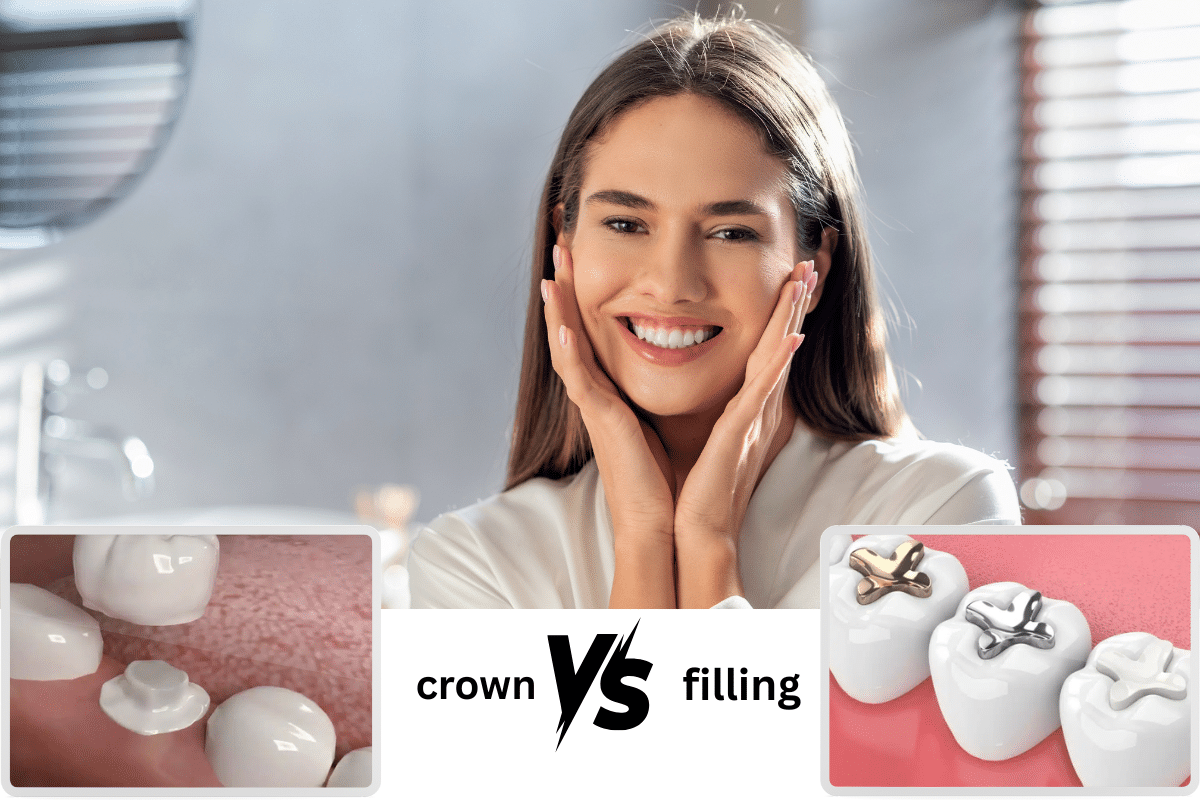
When you visit your dentist and are informed that you need either a crown or a filling, it can be challenging to understand which option is best for your tooth. Both treatments are common for restoring damaged teeth, but each serves a different purpose. Knowing when to opt for a filling versus a crown can help you make an informed decision and ensure the longevity of your smile. Let us break down both options to understand their roles, differences, and when each is necessary.
When Are Dental Fillings Necessary?
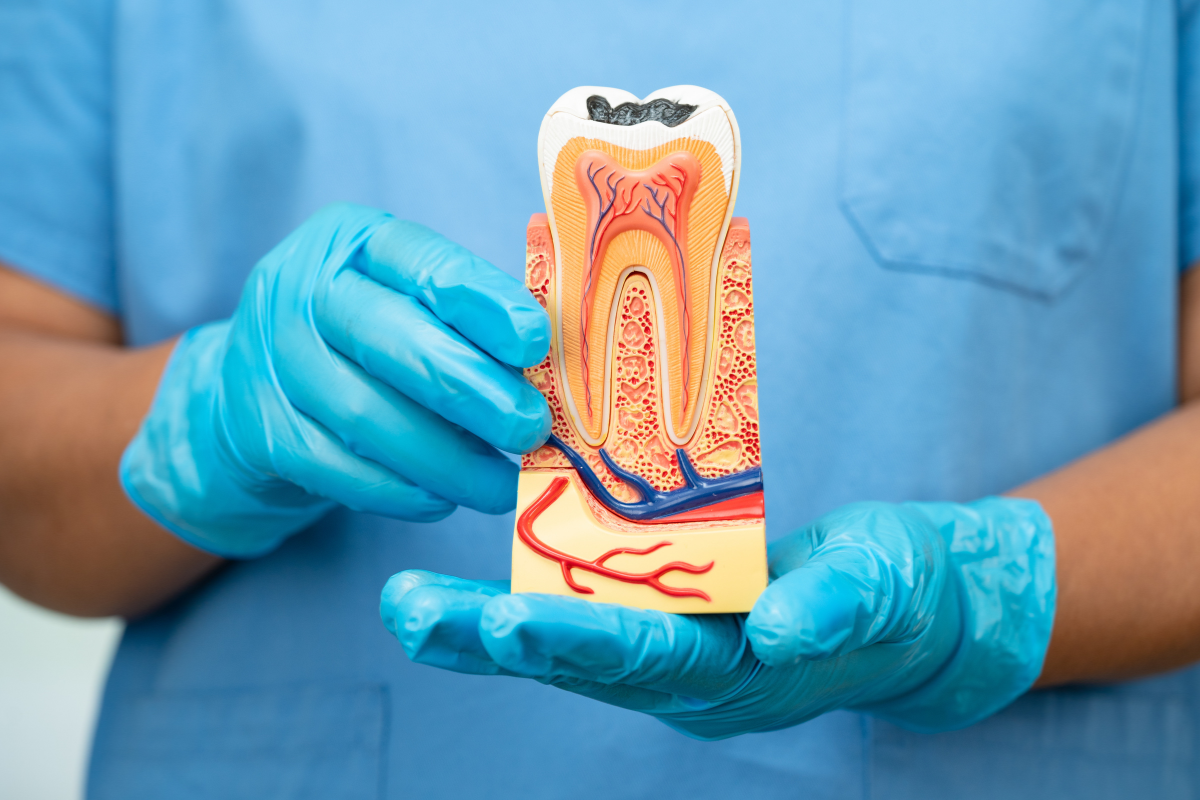
A filling is a restorative material used to fill cavities created by tooth decay. It is typically used for smaller areas of damage where the tooth structure remains intact. They come in a variety of materials, including composite resin, amalgam, and gold. However, composite resin is the most common because of its ability to match the color of your natural teeth.
When Is A Filling Needed?
If your tooth has a small to moderate cavity or decay, a filling is often sufficient to address the issue. It is an efficient solution for restoring teeth and preventing further damage. A filling helps to restore the tooth’s function and structure without requiring the removal of too much tooth material. After it is placed, the tooth typically functions like it did before the decay occurred.
When Are Crowns Necessary?
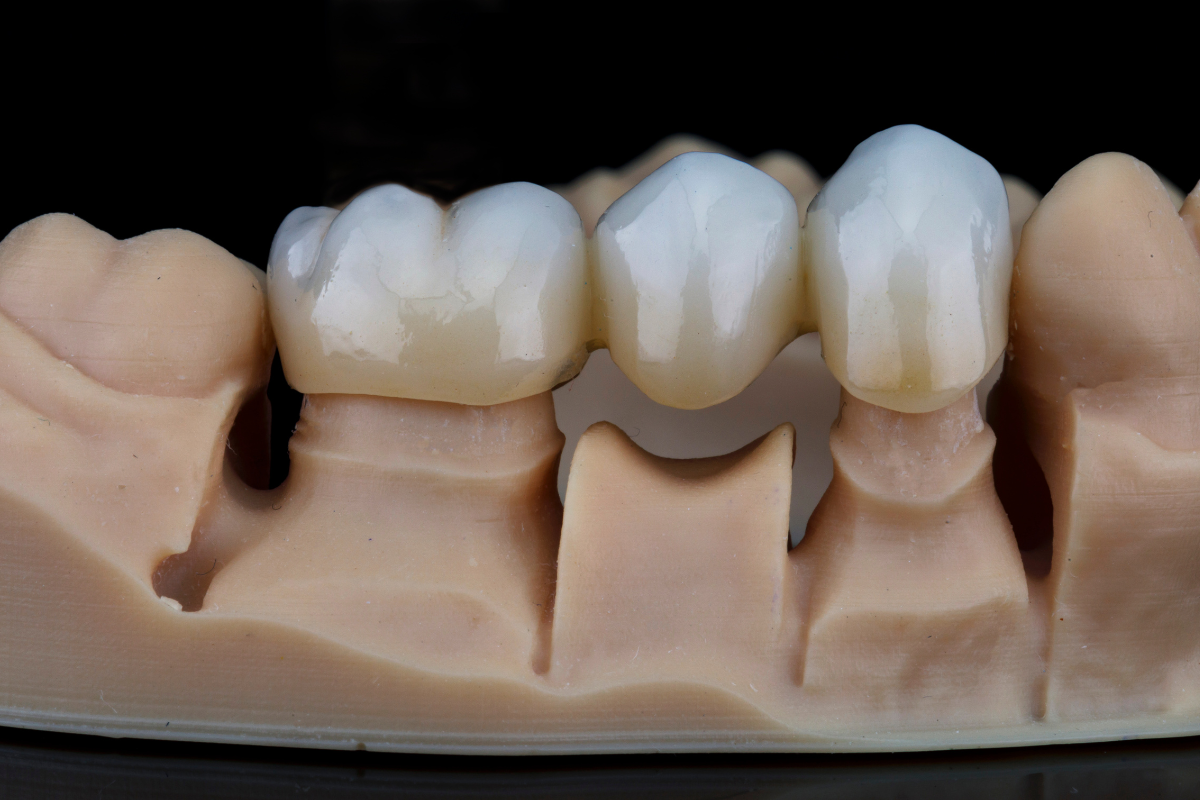
A crown is a cap that covers the entire tooth, providing a strong protective layer. Crowns are typically used for teeth that have undergone extensive damage, whether from decay, trauma, or wear and tear. If a filling is not enough to restore a tooth’s function or appearance, a crown becomes a more reliable option.
When Is A Crown Necessary?
If the damage to a tooth is too extensive for a simple filling or if there is not enough healthy tooth left to support it, a dental crown is the preferred choice. Crowns are ideal for teeth that are heavily decayed, cracked, or weakened. It can also be used after a root canal procedure to provide structural support to the tooth.
Key Differences Between Fillings And Crowns
1. Extent Of Damage:
- Fillings are used for small cavities or minor damage.
- Crowns are needed for larger, more severe damage where a significant portion of the tooth is compromised.
2. Procedure Time:
- Getting a filling is a quicker, less invasive procedure.
- A crown requires more preparation time, and sometimes two visits, as it involves creating a custom-fitted cap for your tooth.
3. Durability:
- Fillings can last for several years, depending on the material used and the extent of the damage.
- Crowns are longer-lasting, often functional for 10-15 years or more, especially if made from durable materials like porcelain or metal.
How To Decide Between A Crown And A Filling
The decision between a crown and a filling ultimately depends on the extent of the tooth’s damage and your dentist’s recommendation. A local dentist will examine the tooth and use X-rays to determine the most suitable treatment option. If the tooth has minor decay, a filling may be the best solution. If there is extensive damage that affects the tooth’s structure or strength, a crown will likely be necessary.
In some cases, the choice may not be entirely up to you. For example, if a filling is placed and the damage worsens, you may need to return for a crown. Conversely, if a crown is placed and the tooth still shows signs of decay, additional treatment may be necessary to preserve the tooth.
Whether you need a filling or a crown, both treatments serve essential roles in maintaining your smile and preventing further damage. Dental crowns in Southlake offer a more comprehensive solution for extensively damaged teeth, while fillings are perfect for small to moderate cavities. Always consult with our dentist to determine the best course of action for your specific needs, ensuring your teeth are both functional and healthy for years.
How long do dental crowns last?
Dental crowns typically last between 10 and 15 years with proper care. However, longevity depends on factors such as oral hygiene, lifestyle habits, and the materials used in the crown.
Can a filling fix a cracked tooth?
A filling can be used to restore a cracked tooth if the damage is minor.13 For more significant cracks that affect the tooth’s structure, a crown is often recommended instead.
How do I know if I need a crown or a filling?
If a cavity is small to moderate, a filling is usually sufficient. If the damage is more extensive, affecting the tooth’s strength or function, a crown may be necessary.
Can crowns be replaced?
Yes, crowns can be replaced if they become damaged, loose, or worn out. A dentist will assess the condition of the existing crown and decide whether a new one is needed.
Are dental crowns uncomfortable?
Dental crowns should not be uncomfortable when properly fitted. While there may be some sensitivity or discomfort after placement, any discomfort typically resolves within a few days of adjustment.