The Ultimate Guide to Modern Dental Crowns: Restoring Strength and Natural Aesthetics


A damaged, deeply decayed, or severely fractured tooth can significantly impact your daily life, altering how you chew, speak, and smile. Historically, dental restorations presented a difficult compromise between structural durability and lifelike aesthetics. Fortunately, modern advancements in restorative dentistry have eliminated this trade-off completely. Today’s advanced dental crowns provide a comprehensive solution that mimics the intricate biophysical properties of natural teeth while delivering long-lasting mechanical support. According to the National Institute of Dental and Craniofacial Research (NIDCR), dental caries and structural fractures remain primary drivers for restorative procedures among adults, highlighting the vital public health role of durable, biomimetic treatments.
Understanding the balance between bite physics and visual aesthetics is crucial when exploring restorative care. At Wright Smiles, our premier dental practice is dedicated to delivering state-of-the-art treatments designed to revitalize your oral health. Led by Dr. Gregory Wright, an Accredited Fellow of the American Academy of Cosmetic Dentistry (AACD), our clinic combines master-level clinical expertise with advanced material sciences to deliver pristine, highly durable restorations that blend seamlessly into your smile.
If you are experiencing dental discomfort or notice a structurally compromised tooth, we invite you to visit our dental office for a comprehensive diagnostic evaluation tailored specifically to your unique anatomical needs.
What is a Modern Dental Crown?
Modern dental crowns in Southlake are custom-engineered, full-coverage restorations designed to encase the entire visible portion of a structurally compromised tooth above the gumline. Unlike legacy options that frequently left dark metallic lines at the margins, contemporary crowns utilize advanced biocompatible materials that mirror the light-refracting qualities of natural enamel. Clinically, a modern crown serves as a protective shield that redistributes biting forces evenly across the remaining tooth root, preventing underlying fractures and slowing down structural deterioration.
How Modern Crowns Restore Dental Strength
Today, crowns achieve structural restoration through precise design and high-performance material engineering. When a natural tooth is compromised, everyday activities like chewing place uneven stress on its remaining walls, which can cause micro-fractures to spread down toward the root system. A modern full-coverage crown solves this by fully encasing the prepared tooth architecture, creating a solid 360-degree boundary that transforms destructive, isolated forces into uniform vertical pressure.
The exceptional strength of our dental crowns in Southlake relies heavily on advanced material science. High-performance ceramics like monolithic zirconia and lithium disilicate are engineered to withstand the strong forces of human chewing, which can exceed 700 Newtons of pressure on the molars. Monolithic zirconia is highly resistant to cracking and chipping, making it an excellent choice for patients who struggle with bruxism (chronic teeth grinding). Investing in crowns ensures that your restoration remains strong and intact over time, allowing you to confidently enjoy your favorite crunchy meals or an active, worry-free afternoon exploring the trails at Bicentennial Park.
Reclaim a Seamless, Natural Appearance
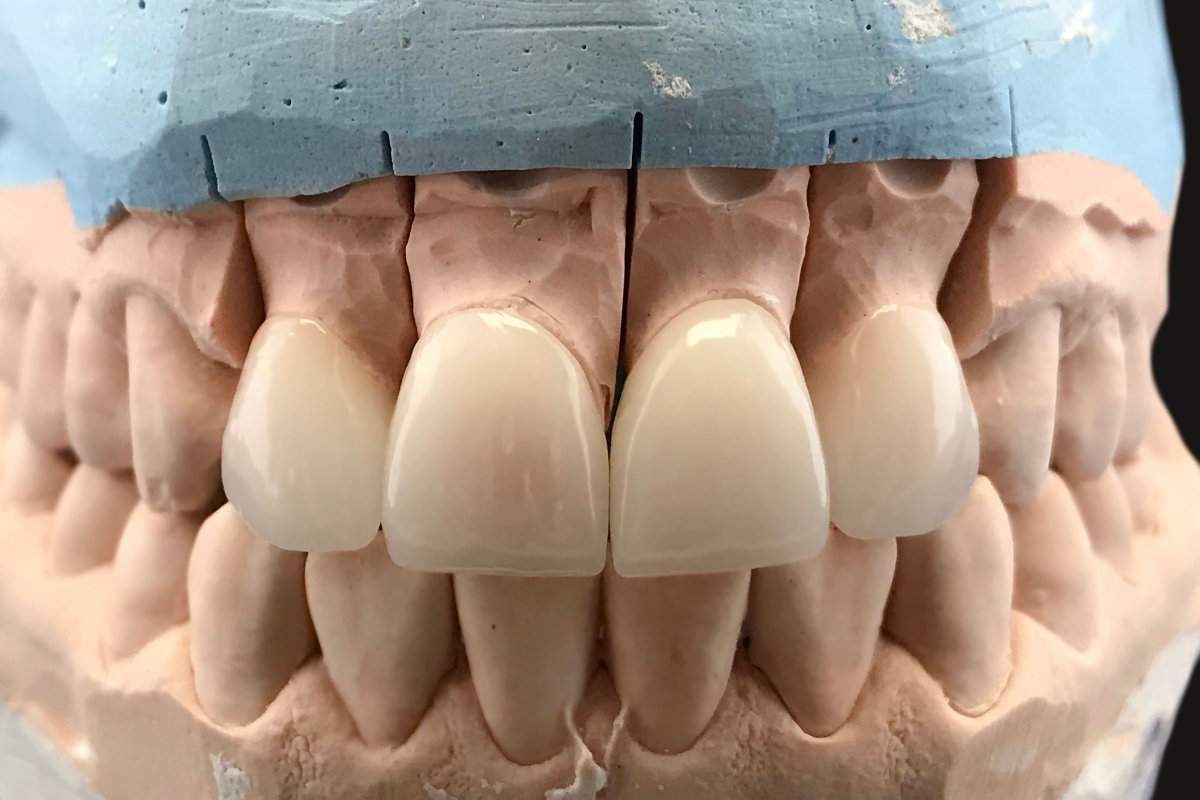
Achieving a truly natural look with modern crowns requires a careful blend of dental art and material science. Natural teeth are not monochrome or opaque; they have complex visual layers where light travels through the semi-translucent enamel and reflects off the denser dentin layer beneath. Modern dental porcelains and lithium disilicates replicate this exact optical behavior, allowing light to penetrate the surface just like natural teeth and eliminating the artificial, flat white look of older restorations.
To ensure a seamless blend, a skilled Southlake dentist carefully matches the restoration to the natural variation of your smile. Natural teeth naturally feature a subtle shift in color, showing warmer, deeper tones near the gumline that gradually become brighter and more translucent toward the biting edges. By custom-matching these distinct gradients, your crown will blend in beautifully with your surrounding teeth. Whether you are catching up with friends over brunch at Southlake Town Square or speaking in a local business meeting, a dedicated Southlake dentist ensures your restoration remains completely indistinguishable from the rest of your smile.
The Step-by-Step Modern Crown Experience
The process of receiving a modern dental crown is straightforward, comfortable, and highly precise. Utilizing advanced clinical techniques, the procedure is designed to maximize the preservation of your natural tooth structure while ensuring an exceptionally accurate fit.
Comprehensive Assessment and Diagnostics: First Visit – 15 Mins.
The treatment begins with digital X-rays and high-resolution imaging to evaluate the health of the underlying tooth root and surrounding bone structure. This step ensures that the foundation of the tooth is completely stable and free of hidden infection before any restorative work proceeds.
Conservative Tooth Preparation: First Visit – 30 Mins.
The target tooth is gently recontoured under local anesthesia to remove damaged or decayed enamel, creating a pristine, tapered core. Modern materials allow our team to keep this preparation exceptionally conservative, preserving as much of your healthy, natural tooth structure as possible.
Digital Impression and Temporary Placement: First Visit – 15 Mins.
An accurate digital impression is taken of the prepared tooth to map its unique micro-topography without the need for messy traditional putties. A comfortable temporary crown is then placed over the tooth to keep it fully protected while your final, custom restoration is being fabricated.
Final Bonding and Verification: Second Visit – 30 Mins.
Once ready, the temporary crown is removed, and the final custom crown is meticulously checked for fit, color match, and proper bite alignment. Using advanced dental adhesives, the crown is securely bonded to the tooth, instantly restoring its full strength and natural beauty.
Following this standard process, your final restoration fits comfortably into your bite and aligns naturally with your jaw movements. A precise fit at the gumline also prevents plaque buildup and bacteria from slipping beneath the restoration, protecting the healthy tooth structure underneath. With routine brushing, daily flossing, and regular cleanings, your new crown is built to provide a strong, beautiful, and lasting smile for many years to come.
Frequently Asked Questions
How long can I expect a modern dental crown to last?
Modern dental crowns typically last between 10 and 15 years, though many last much longer with excellent care. Their long-term durability depends on maintaining good daily oral hygiene habits and attending routine preventive checkups.
Will getting a modern dental crown feel painful?
No, the crown procedure is designed to be highly comfortable and is performed under profound local anesthesia. Patients may notice mild, temporary sensitivity in the surrounding gums for a few days following treatment, which resolves quickly.
Can a modern porcelain crown be whitened later?
No, modern dental ceramic materials are highly stain-resistant, but they do not respond to traditional whitening treatments. If you plan to whiten your smile, it is recommended to complete whitening before your crown is made.
What is the difference between a crown and a dental bridge?
A crown covers and protects a single damaged tooth, while a dental bridge fills an empty space left by a missing tooth. A bridge uses crowns placed on the adjacent healthy teeth to securely hold a realistic replacement tooth in place.
Do I always need a root canal before getting a crown?
No, a root canal is not always required before placing a dental crown. A crown can be placed directly on a healthy, vital tooth that simply needs structural support, unless deep decay or nerve damage is present.
How should I care for my new dental crown?
You can care for your dental crown just like a natural tooth by brushing twice daily and flossing consistently. It is important to avoid chewing on hard objects, like ice or pens, to prevent damaging the ceramic surface.
Are modern dental crowns easily noticeable inside the mouth?
No, modern crowns are custom color-matched and shaped to blend in seamlessly with your surrounding teeth. The advanced ceramics mimic the natural translucency of enamel, making the restoration virtually impossible to spot.
Schedule Your Personalized Smile Evaluation
If you have a cracked, worn, or painful tooth, taking action early is the best way to prevent more serious structural issues down the road. Every smile has unique anatomical needs that require personalized attention and precise clinical care.
Contact Wright Smiles today to book an appointment for a comprehensive diagnostic evaluation, and let our dedicated team help you reclaim a strong, healthy, and beautiful smile.