Are Dental Implants Painful? What Patients Should Expect


Losing a tooth can affect how you eat, speak, and feel about your appearance. You may want a permanent tooth replacement but feel concerned about surgery or pain. Fortunately, modern treatment planning, local anesthesia, and careful aftercare can make the process more comfortable than many patients expect.
At Wright Smiles, we understand that clear information can ease dental anxiety. Our team helps patients explore their options with Dr. Arcila, who evaluates oral health, bone support, and personal concerns before recommending care. Dental implants can provide stable replacement teeth while supporting natural function.
Are Dental Implants Painful?
Most patients should not feel sharp pain during implant placement because the treatment area is numbed with local anesthesia. You may notice pressure, vibration, or movement, but these sensations differ from pain. Sedation options may also be considered for patients with significant dental anxiety.
Tenderness, mild swelling, or bruising can occur after the anesthetic wears off. These effects often feel similar to those following a tooth extraction. They usually improve over several days and can often be managed with prescribed instructions, appropriate medication, cold compresses, rest, and softer foods.
Pain levels vary according to the number of implant posts placed, the condition of the jawbone, and whether bone grafting or an extraction is required. Persistent, severe, or increasing discomfort should be reported to the dental office.
Why Can Implant Treatment Feel More Comfortable Than Expected?
For many patients, dental implants are more manageable than anticipated because each stage is carefully planned. Digital imaging allows the dentist to assess bone structure, adjacent teeth, nerves, and other important anatomical structures before treatment begins.
Several factors can support a smoother experience:
- Local anesthesia keeps the surgical area numb.
- Precise planning can limit unnecessary tissue disturbance.
- Clear instructions help patients prepare for recovery.
- Temporary restorations may protect appearance during healing.
- Follow-up visits allow the dentist to monitor progress.
Patients considering dental implant treatment in Southlake should receive an individual evaluation. Medical history, medications, gum health, tobacco use, and bone density may influence both comfort and healing.
What Happens During the Procedure?
- Consultation and Oral Evaluation
The process begins with an examination and diagnostic images. The dentist checks the missing-tooth area, gum health, bite, and available jawbone. If you are exploring dental implants in Southlake, this visit is also the time to discuss anxiety, anesthesia, recovery, and treatment timing.
- Implant Post Placement
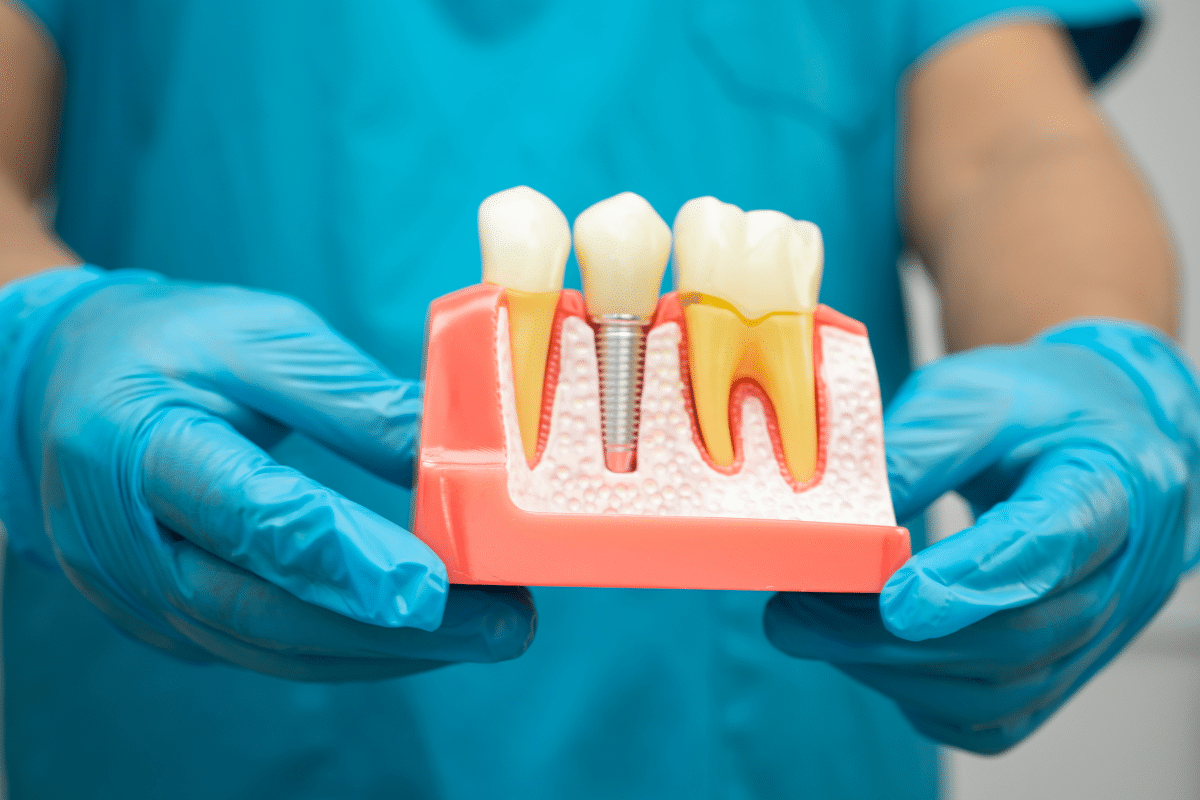
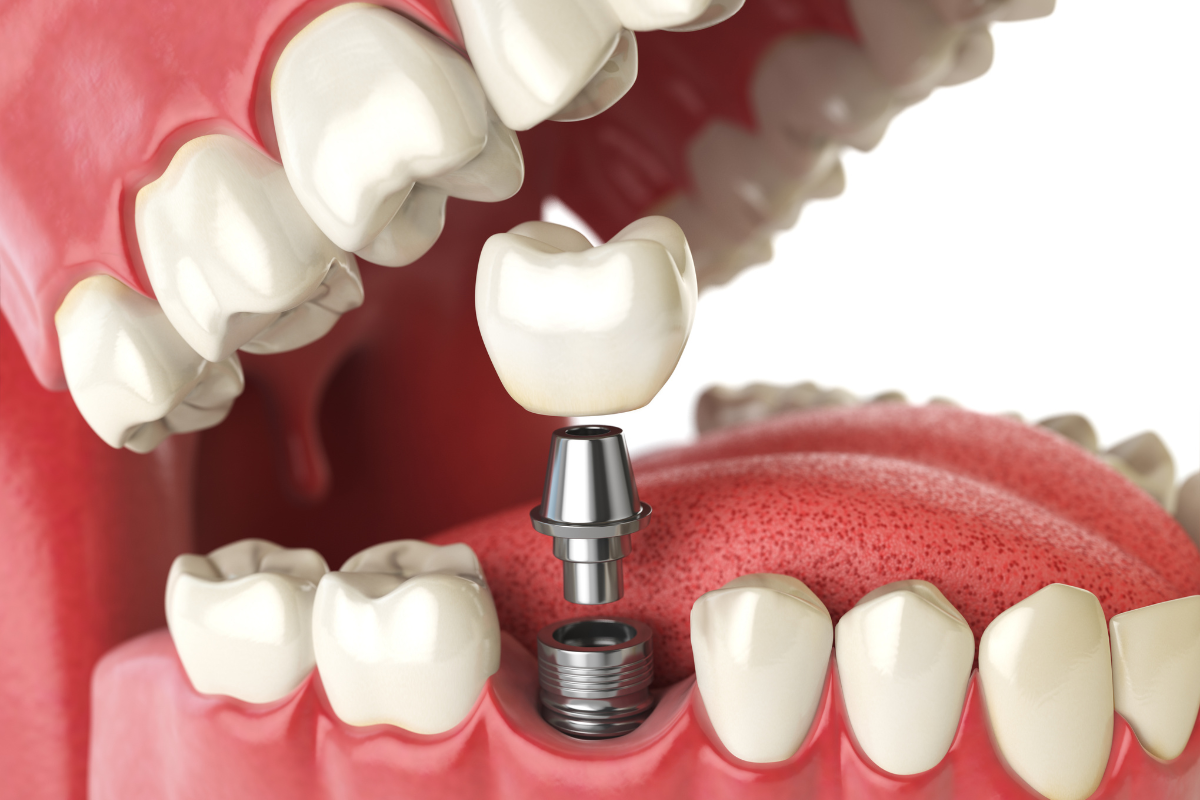
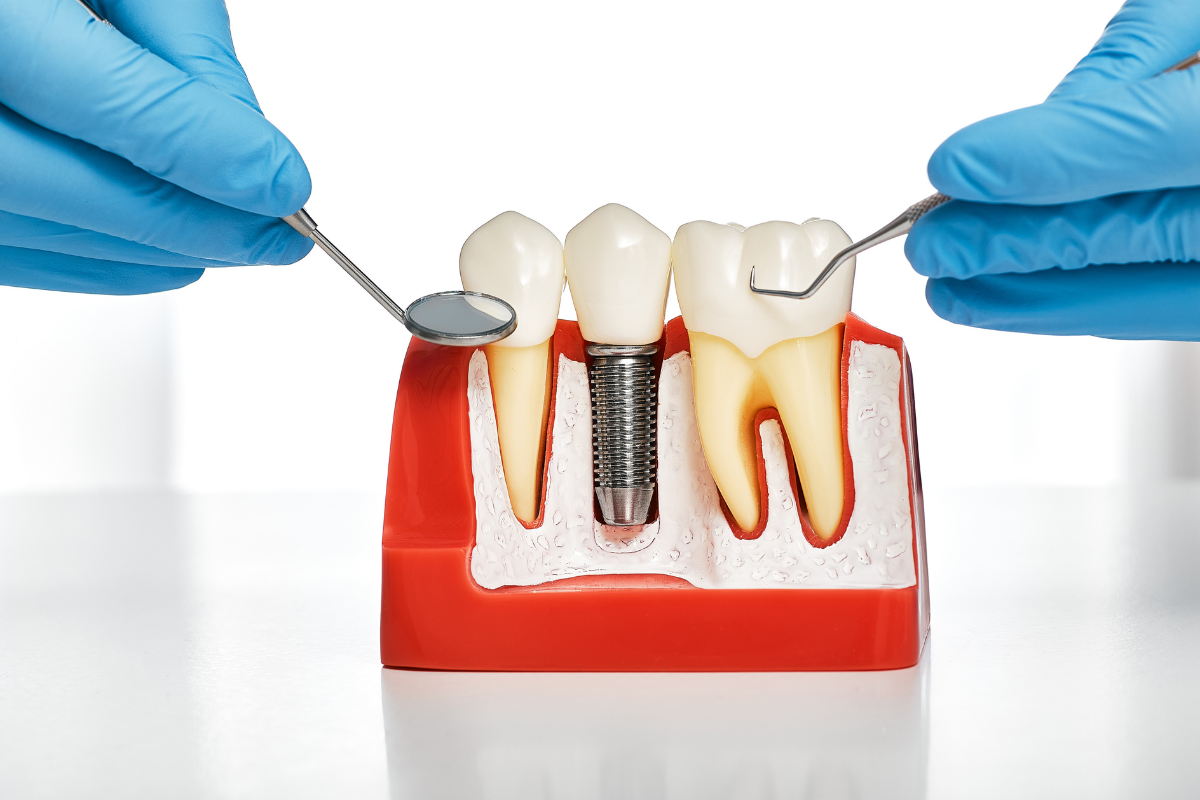
After the area becomes numb, a small biocompatible post is placed in the jawbone. The post acts as an artificial tooth root. The gum tissue is then protected while healing begins. The length of the appointment depends on the number of posts and any additional procedures.
- Healing and Osseointegration
During osseointegration, bone gradually forms around the post, creating a stable foundation. This process may take several months. You may receive a temporary tooth during this period, depending on your clinical needs.
- Restoration Placement
Once healing is complete, an abutment connects the post to a dental crown, bridge, or implant-supported denture. The final restoration is designed to support comfortable biting and a natural-looking result.
What Can You Expect During Recovery?
Most patients return to light daily activities within a short period, although recovery differs for everyone. Follow your dentist’s directions carefully and avoid disturbing the surgical area.
Helpful recovery measures may include:
- Apply a cold compress as directed.
- Eat soft, nutrient-rich foods.
- Avoid smoking and tobacco products.
- Keep the mouth clean without aggressive brushing near the site.
- Take medication only as instructed.
- Attend every scheduled follow-up.
If swelling worsens after several days, bleeding does not slow, or fever develops, contact the practice promptly. You can also visit our dental office before treatment to ask how your medical history may affect healing.
How Do Implant-Supported Teeth Improve Daily Comfort?
Unlike removable dentures, implant-supported teeth are anchored in the jaw. This stability may reduce slipping, clicking, and rubbing while eating or speaking. Dental implants also transfer biting pressure through the implant post, which stimulates the surrounding bone.
Other potential benefits include stronger chewing support, easier speech, and no need to reduce healthy neighboring teeth for a traditional bridge. Results depend on case selection, oral hygiene, regular dental visits, and long-term gum care.
A consultation for dental implant care can determine whether you have enough healthy bone and gum tissue. Some patients may need periodontal treatment, bone grafting, or another preparatory procedure first.
Who May Be a Candidate?
Many adults with one or more missing teeth can be considered. Age alone does not determine candidacy. General health and the ability to heal are more important.
The dentist will evaluate:
- Healthy bone and gum support
- Controlled medical conditions
- Oral hygiene habits
- Tobacco use
- Teeth grinding
- Commitment to follow-up care
Patients seeking dental implants in Southlake should share their full medication list and health history. This information helps the dentist identify risks and create a safer treatment plan.
Rebuild Comfortable Function in Southlake
Replacing a missing tooth can restore more than appearance. It may improve chewing stability, speech, confidence, and long-term oral function. At Wright Smiles, your concerns, health, and treatment expectations are carefully evaluated before care begins.
Ready to explore a stable replacement for missing teeth? Book an appointment at our Southlake dental office to discuss your options and learn what you can expect at every stage.
Frequently Asked Questions
How long do dental implants last?
With daily brushing, interdental cleaning, professional checkups, and healthy gums, the implant post may function for many years. The crown or other restoration may eventually require repair or replacement because of normal wear.
How long does recovery take?
Initial tenderness often improves within several days, while gum tissue may need one to two weeks to settle. Bone integration takes longer and may continue for several months before the final restoration is attached.
Can I eat normally after implant placement?
Begin with soft foods such as yogurt, eggs, soup, and mashed vegetables. Avoid hard, sticky, very hot, or crunchy foods near the surgical site until your dentist confirms that you can resume normal chewing.
What happens if I do not have enough jawbone?
A bone graft may rebuild or strengthen the treatment area. The need for grafting depends on bone height, width, density, and implant position. Diagnostic imaging helps the dentist choose an appropriate approach.
Can anxious patients receive sedation?
Sedation may be available depending on the procedure, anxiety level, and medical history. Ask the dental team about available options, preparation requirements, transportation, and post-treatment restrictions before your appointment.
Do implant-supported teeth need special cleaning?
They do not decay like natural teeth, but plaque can inflame the surrounding gums and damage supporting bone. Brush twice daily, clean around the restoration, and schedule regular professional examinations.