How Bacterial Contamination Affects Dental Implant Success


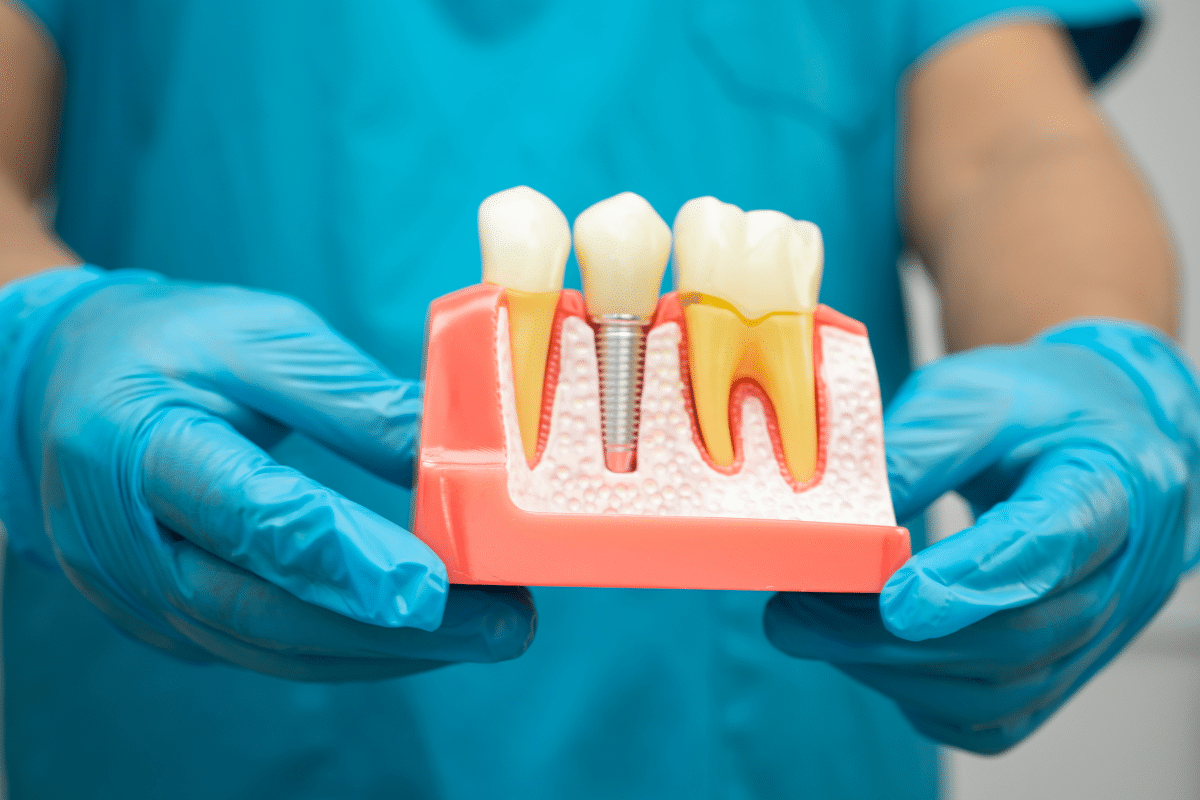
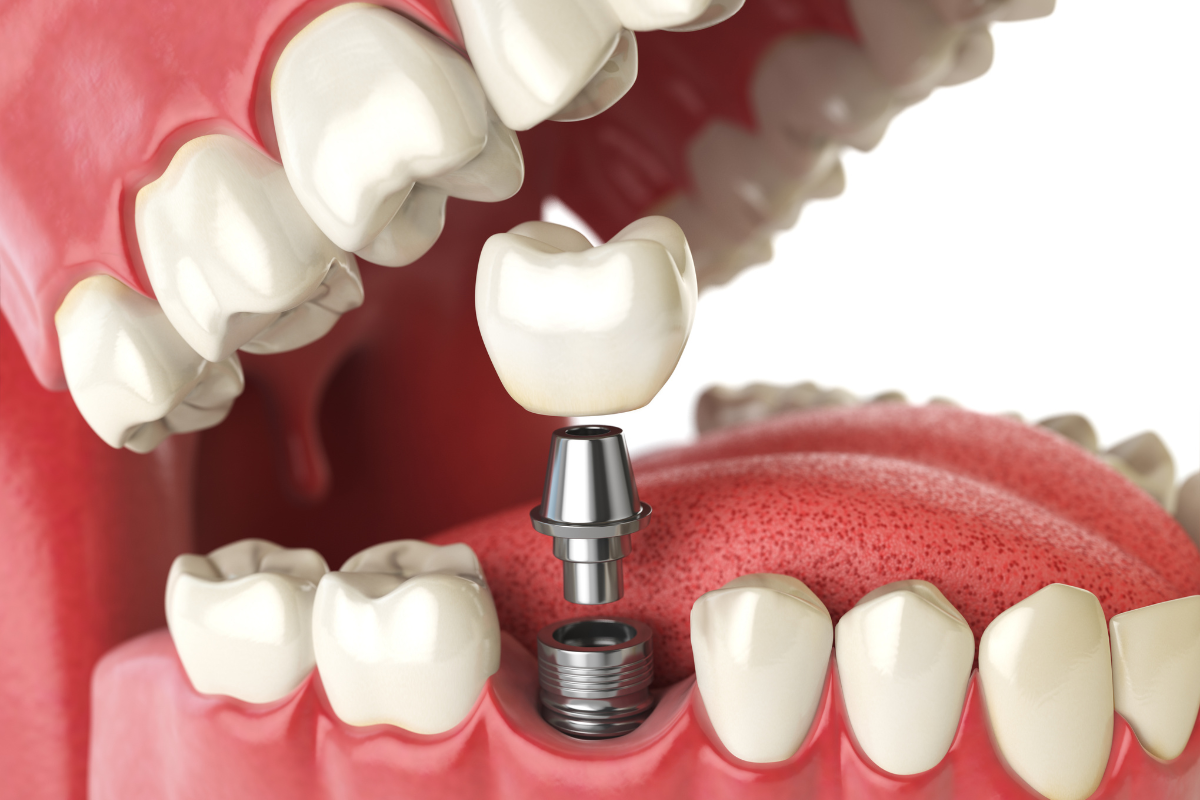
Dental implants depend on a precise biological process called osseointegration, where bone fuses directly to the implant surface. This process is highly sensitive to microbial disruption during surgery or early healing. Even small bacterial contamination can shift healing away from bone integration toward inflammation.
Bacterial contamination refers to microbial exposure at the implant site during placement or early recovery. When bacteria colonize the implant surface, they may form biofilms that interfere with healing and trigger inflammatory responses. If unmanaged, this can reduce implant stability or compromise long-term success.
At Wright Smiles, implant procedures are carried out with strict sterile protocols designed to minimize microbial exposure and support predictable healing outcomes. Our dentist, Dr. Gregory Wright, has been providing comprehensive dental care since 1992, serving families across the Southlake community with full-spectrum treatment planning under one roof. Patients exploring dental implants in Southlake are encouraged to undergo a detailed evaluation to determine bone health and infection risk before treatment.
According to the National Institute of Dental and Craniofacial Research (NIDCR), microbial control is one of the strongest predictors of implant longevity, especially during the early healing phase when bone attachment is most vulnerable.
What Is Bacterial Contamination in Implants?
Bacterial contamination occurs when harmful oral microorganisms enter the implant site during surgery or shortly after placement. This disrupts the controlled healing environment required for successful osseointegration.
In clinical practice, contamination can result from exposure to saliva, pre-existing gum infection, or inadequate sterilization control. Once bacteria attach to the implant surface, they can form structured biofilms that resist immune response and mechanical cleaning.
Unlike natural teeth, implants lack a periodontal ligament, making them more dependent on the stability of the surrounding bone and soft-tissue health. This is why even low levels of contamination can have a measurable impact on healing outcomes.
Does Bacterial Contamination Affect Implant Success?
Yes, bacterial contamination can significantly affect implant success by interfering with bone integration and triggering inflammatory tissue breakdown. When bacteria colonize the implant surface, the body responds with immune activity that may damage surrounding bone.
During early healing, implants require uninterrupted bone contact to achieve stability. If contamination occurs, healing may slow, become unstable, or fail entirely. In advanced cases, infection can progress into peri-implantitis, which leads to bone loss around the implant.
Patients receiving implants should understand that infection control is not a secondary concern; it is a core factor in long-term implant predictability. A trusted Southlake dentist evaluates gum health, bone density, and bacterial load before treatment to reduce these risks and improve outcomes.
Clinical research consistently shows that biofilm formation is one of the strongest contributors to late implant complications, especially when oral hygiene or maintenance care is inconsistent.
How Bacterial Contamination Develops During Implant Treatment
Bacterial exposure can occur at multiple stages of implant therapy, not just during surgery. Understanding these pathways helps patients actively reduce risk.
Common contamination sources include:
- Existing gum disease or untreated periodontal pockets
- Saliva exposure during surgical placement
- Instrument contamination or improper sterile field control
- Inconsistent post-operative oral hygiene
- Smoking or systemic health conditions that impair healing
Even after successful implant placement, bacteria can accumulate if plaque control is not maintained. This is particularly important during the first few weeks when soft tissue is still sealing around the implant.
A proficient Southlake dentist follows structured implant protocols to control these variables, improving healing predictability and reducing post-surgical complications.
Peri-Implantitis: When Bacteria Begin Damaging Bone
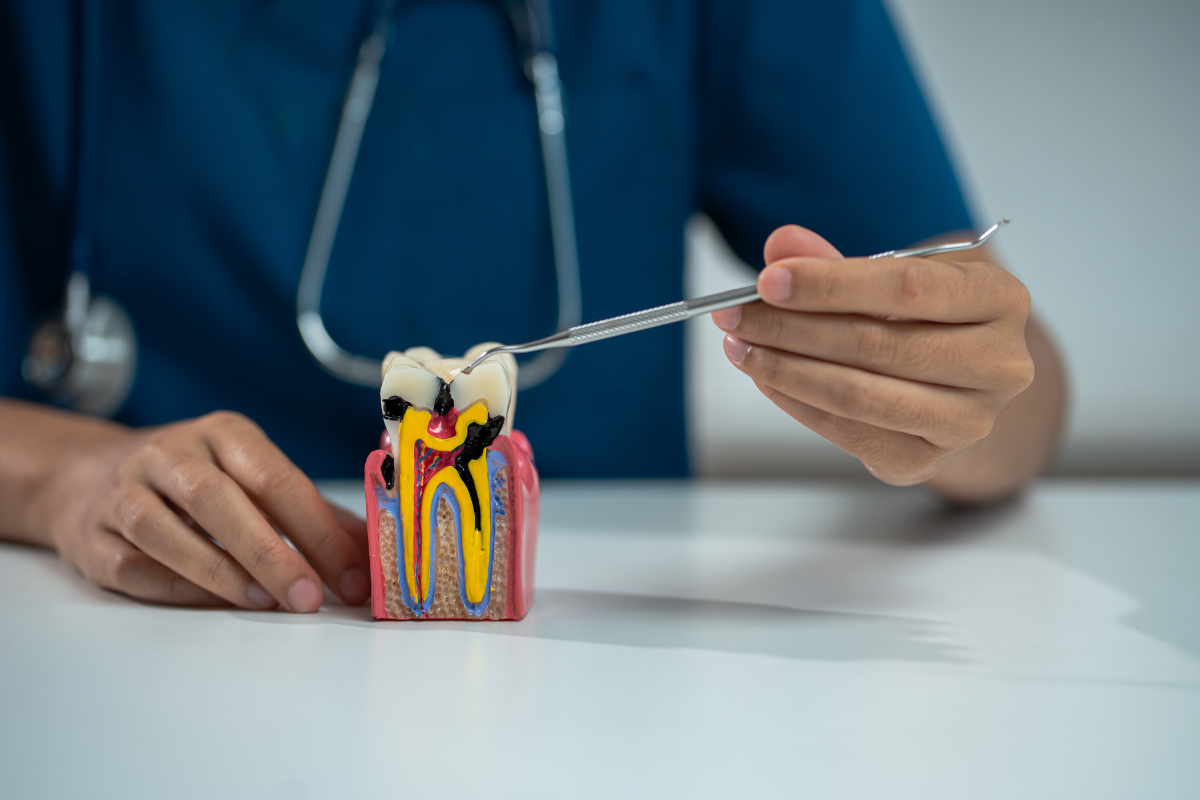
Peri-implantitis is an inflammatory condition caused by bacterial accumulation around a dental implant. It affects both soft tissue and supporting bone, making it one of the leading causes of implant failure after initial healing.
Early signs may include gum redness, bleeding during brushing, or mild discomfort around the implant. If untreated, bone loss can occur, reducing implant stability over time.
Unlike natural teeth, implants lack a protective ligament system, which means bacterial inflammation can spread more directly to surrounding bone structures. This makes early detection and maintenance care essential.
National oral health data indicate that peri-implant inflammation is more common in patients with a history of periodontal disease or inconsistent hygiene practices, reinforcing the importance of preventive care.
Prevention Strategies in Modern Implant Dentistry
Preventing bacterial contamination begins before implant placement and continues throughout the healing phase.
At Wright Smiles, sterilization protocols, digital planning, and controlled surgical environments are used to reduce microbial exposure. Implant surfaces are handled with strict aseptic technique to protect the osseointegration process.
Patients are also guided on implant-specific hygiene routines that go beyond standard brushing. This includes interdental cleaning tools and maintenance schedules designed to reduce plaque buildup around implant sites.
Those considering dental implants in Southlake are typically evaluated for periodontal stability first, as healthy gum tissue significantly improves implant success rates.
Local Lifestyle Factors That Influence Implant Health
Daily dietary habits and oral hygiene patterns can influence bacterial activity around implants. In the Southlake area, dining habits often include protein-rich meals and locally popular foods from places like Southlake Town Square restaurants and long-standing Texas-style eateries.
These foods, while enjoyable, may increase plaque retention if oral hygiene is not maintained after meals. Sticky or dense foods can remain around healing tissue, increasing bacterial buildup if not cleaned properly.
A trusted Southlake dentist typically accounts for these lifestyle patterns when advising on post-implant care, ensuring instructions are practical and aligned with real-world habits rather than generic guidelines.
When to Seek Dental Evaluation After Implant Placement
Patients should schedule a dental evaluation if they notice swelling, persistent bleeding, discomfort, or changes in gum appearance around the implant site. These early signs may indicate bacterial involvement and require timely intervention.
Regular follow-ups are essential for monitoring bone integration and detecting early inflammatory changes before they progress. Preventive care is one of the most effective ways to ensure long-term implant stability.
Personalized Implant Evaluation for Long-Term Success
Since 1992, Wright Smiles has served families across the Southlake community with comprehensive dental solutions delivered under one roof. Our approach focuses on long-term oral health stability through structured diagnosis and treatment planning. Under the clinical leadership of Dr. Gregory Wright, implant care is designed to prioritize biological compatibility, infection control, and predictable healing outcomes.
If you are considering dental implants or want to better understand your infection risk profile, a personalized clinical evaluation is the most reliable next step. Book an appointment today to begin your treatment planning with confidence and clarity.
How can I tell if my implant is at risk of infection?
Early warning signs include redness, swelling, mild pain, or unusual bleeding around the implant. Prompt evaluation by a dentist prevents further complications.
Does existing gum disease impact implant outcomes?
Yes, untreated gum disease increases bacterial load and inflammation, slowing healing. Managing gum health before implant surgery improves success rates.
How long after surgery is a bacterial infection most likely?
The first 2–6 weeks after placement carry the highest risk. During this period, careful hygiene and follow-up visits are crucial for stable healing.
Can lifestyle choices affect implant healing?
Yes, smoking, diet, and oral hygiene routines directly influence bacterial growth around implants. Simple preventive measures reduce risk and support bone integration.
What is peri-implantitis, and why does it matter?
Peri-implantitis is bacterial inflammation around the implant, causing bone loss. Detecting it early ensures long-term implant stability and prevents failure.
How do dentists minimize bacterial contamination during implant placement?
Dentists use sterilized instruments, controlled surgical environments, and pre-surgical screening. Guided implant placement and aseptic handling reduce infection risk and improve outcomes.
When should I contact my dentist after implant surgery?
If you notice persistent swelling, bleeding, or discomfort around the implant site, schedule an evaluation immediately. Early intervention prevents long-term complications.