What Age Should I Consider A Wisdom Tooth Extraction?


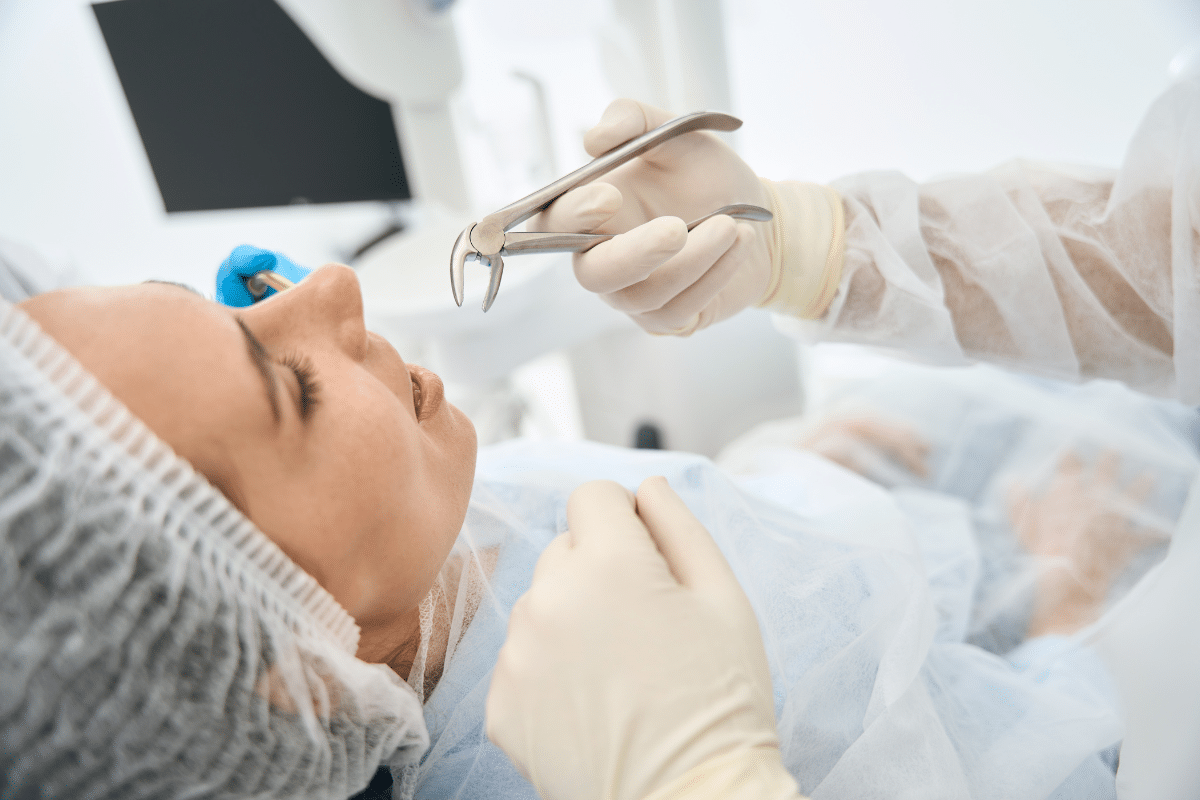
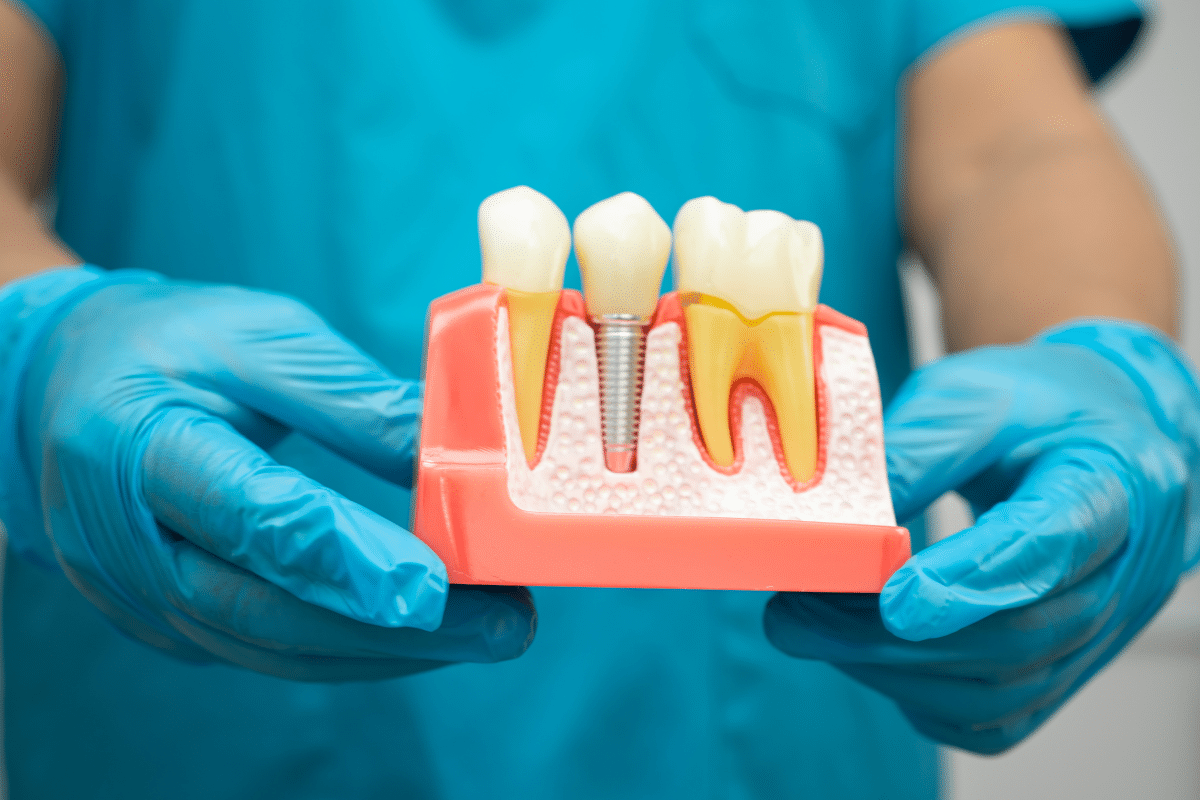
Wisdom teeth, also known as third molars, are the last set of teeth at the back of your mouth. These teeth typically emerge during the late teens to early twenties, but not everyone will need to have them removed. Knowing when to consider an extraction can help avoid future complications, saving your smile and overall oral health.
Why Do Some People Need Their Third Molars Removed?
The need for extraction is often linked to the way wisdom teeth develop. If these teeth don’t have enough space to grow properly, they may become impacted, leading to significant issues. Impacted teeth can cause infection, misalignment, and pain. Even if the teeth come in normally, they can sometimes lead to discomfort or interfere with other dental work.
Many people also experience jaw pain and swelling as their rear molars start to push through the gums. These symptoms can indicate that the molars aren’t emerging correctly, making it more likely that you’ll need professional intervention.
Recognize the Signs That Wisdom Teeth Should Be Extracted
Here are some common signs that you may need to schedule an appointment with a local dentist in Southlake:
- Pain or Tenderness: Back teeth can cause significant discomfort, especially if impacted or partially erupted. This may lead to ongoing aches or sharp pain.
- Swelling or Bleeding Gums: If your gums are swollen or there is bleeding around the area where the molar is coming in, this could be a sign of infection or irritation.
- Difficulty Opening the Mouth: When the late-blooming molars cause tension or pressure in the surrounding areas, it may become difficult to open the mouth fully or chew.
- Persistent Bad Breath: This can occur if food particles or bacteria become trapped around the partially erupted molars.
- Shifting Teeth: Back teeth can push on neighboring teeth, causing them to move or become misaligned.
What Is the Best Age to Have Wisdom Teeth Removed?
The ideal time to have your back molars removed is usually between the ages of 17 and 25. During this period, the roots of the teeth aren’t fully formed, making the extraction process less complicated. Removal is generally easier when the roots are still developing, and recovery tends to be quicker.
For some people, depending on when complications arise, removal may be necessary even beyond this age range. It’s common for individuals in their late twenties or even early thirties to have their molars removed if they cause issues.
However, the longer you wait, the more likely complications will arise, and the procedure may become more complex.
How a Local Southlake Dentist Can Help You Decide
A consultation with a qualified dentist in Southlake, TX, will help determine whether wisdom tooth extraction is necessary for you. A local dentist will evaluate the positioning of your molars, take X-rays, and discuss any potential symptoms or concerns. The decision to extract your late molar should be based on your specific circumstances, including factors like the alignment of the teeth, the amount of space in your jaw, and your overall oral health.
What Happens If You Ignore Late Molar Problems?
If wisdom teeth aren’t properly addressed, they can lead to more severe problems, such as:
- Infection: Impacted teeth can cause infections in the gums and surrounding tissues. These infections can be painful and may require additional treatments.
- Damage to Nearby Teeth: If left untreated, the molars can press against nearby teeth, causing crowding or misalignment.
- Cysts or Tumors: In rare cases, cysts or tumors can form around impacted teeth, leading to further complications that may require surgery to resolve.
Preventing Future Complications with Regular Check-Ups
The best way to avoid potential issues with your third set of molars is to maintain good oral health with regular visits to a dental professional. If you experience any of the signs mentioned earlier, scheduling an appointment with a dentist in Southlake sooner rather than later can save you.
Don’t Wait – Schedule Your Wisdom Tooth Consultation Today!
If you are experiencing pain or discomfort with your wisdom teeth, why wait for the problem to worsen? Early intervention can save you from serious oral issues. Contact our specialist today for a consultation to regain dental health and ease discomfort.
When should wisdom teeth be removed?
Removing wisdom teeth between 17 and 25 is best, as younger patients heal faster. Delaying removal may lead to complications or more complex procedures later.
Does everyone need their third molars removed?
Not everyone needs them removed. Some individuals have enough space for these molars to emerge without causing issues, but extraction may be necessary if they are impacted or cause pain.
Is the removal of third molars a surgical procedure?
Yes, removing these molars is often a surgical procedure, especially if they are impacted or positioned abnormally. Your oral surgeon will determine the best approach based on your situation.
What is the recovery time after removal?
Most patients recover in 3 to 7 days, with most discomfort lasting only a few days. Swelling and tenderness can be alleviated using ice packs and over-the-counter pain relief.
How can I prepare for third molar removal?
Follow your oral surgeon’s instructions, including fasting if you’re receiving sedation. Be sure to arrange for someone to drive you home afterward, as the sedatives may affect your coordination.