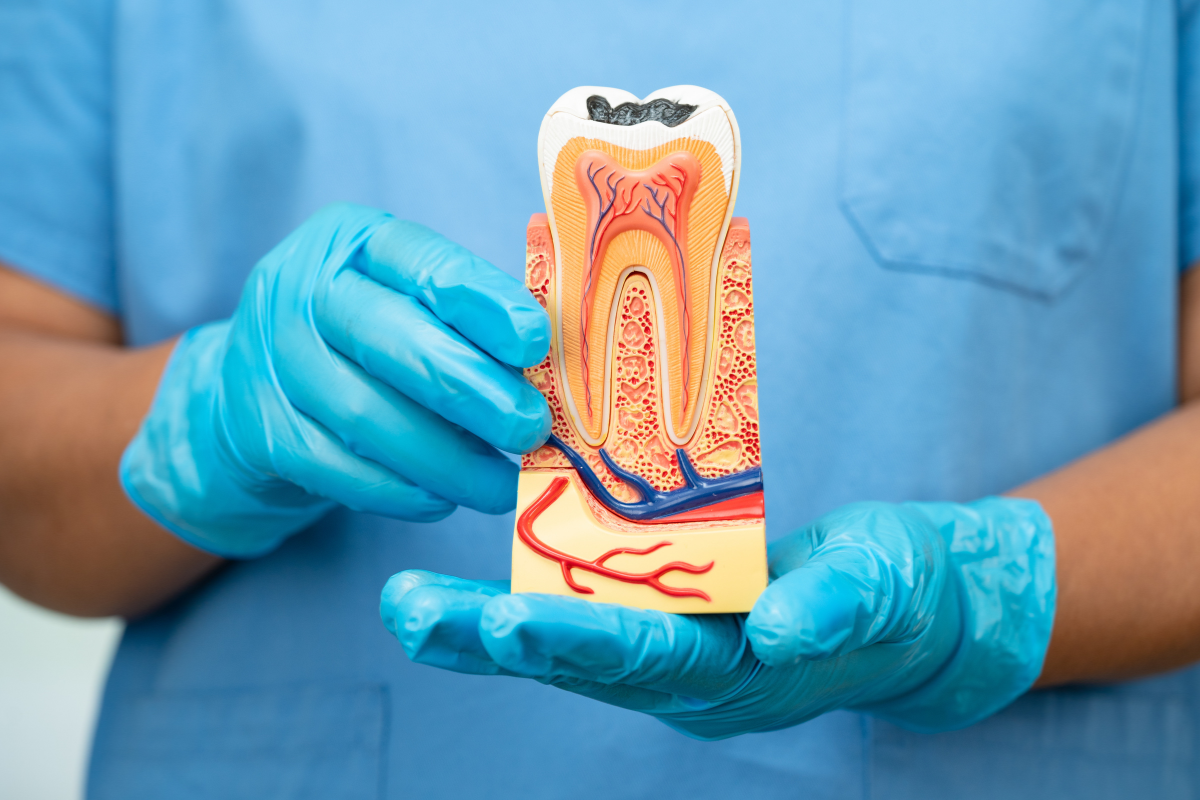
What Happens if My Root Canal is Unsuccessful?



Root canal treatment is often the best solution for saving a damaged or infected tooth. When done correctly, it can last a lifetime. However, there are cases where the treatment doesn’t work as expected. At Wright Smiles, we understand how frustrating it can be to feel discomfort even after receiving root canal treatment.
Let’s explore the possible reasons for an unsuccessful root canal, how to identify it, and what steps to take if it happens.
Why a Root Canal May Fail
Sometimes, a root canal doesn’t fully resolve the infection or inflammation. This can happen for several reasons:
| Cause | Explanation |
| Hidden or curved canals | Tiny canals in the tooth might be missed during the first treatment. |
| Delayed crown placement | Waiting too long to place a crown can allow bacteria to re-enter the tooth. |
| New decay | A new cavity or crack can expose the root canal to infection again. |
| Contaminated filling or seal | If the inner seal breaks down, bacteria can get in. |
| Complex tooth anatomy | Some teeth have complicated root systems that are difficult to fully clean. Export to Sheets |
Signs Your Root Canal Might Have Failed
If you’re experiencing any of these symptoms weeks or months after treatment, it could mean your root canal wasn’t successful:
- Persistent pain when chewing or biting
- Swelling or tenderness in the gums near the tooth
- Sensitivity to hot or cold after healing
- A pimple or boil on the gum that comes and goes
- Discoloration of the treated tooth
- Foul taste or smell in the mouth
Don’t ignore these signs—early action can prevent further damage.
What to Do if Your Root Canal Treatment Fails
If you’re in Southlake and suspect a failed root canal, there are several options available:
- Retreatment – In many cases, the tooth can be reopened, cleaned out again, and sealed properly. This is similar to the original procedure but focuses on treating missed or infected areas.
- Apicoectomy (Root-End Surgery) – If retreatment isn’t possible or doesn’t work, a minor surgical procedure called an apicoectomy may be recommended. It involves removing the tip of the tooth root and sealing it.
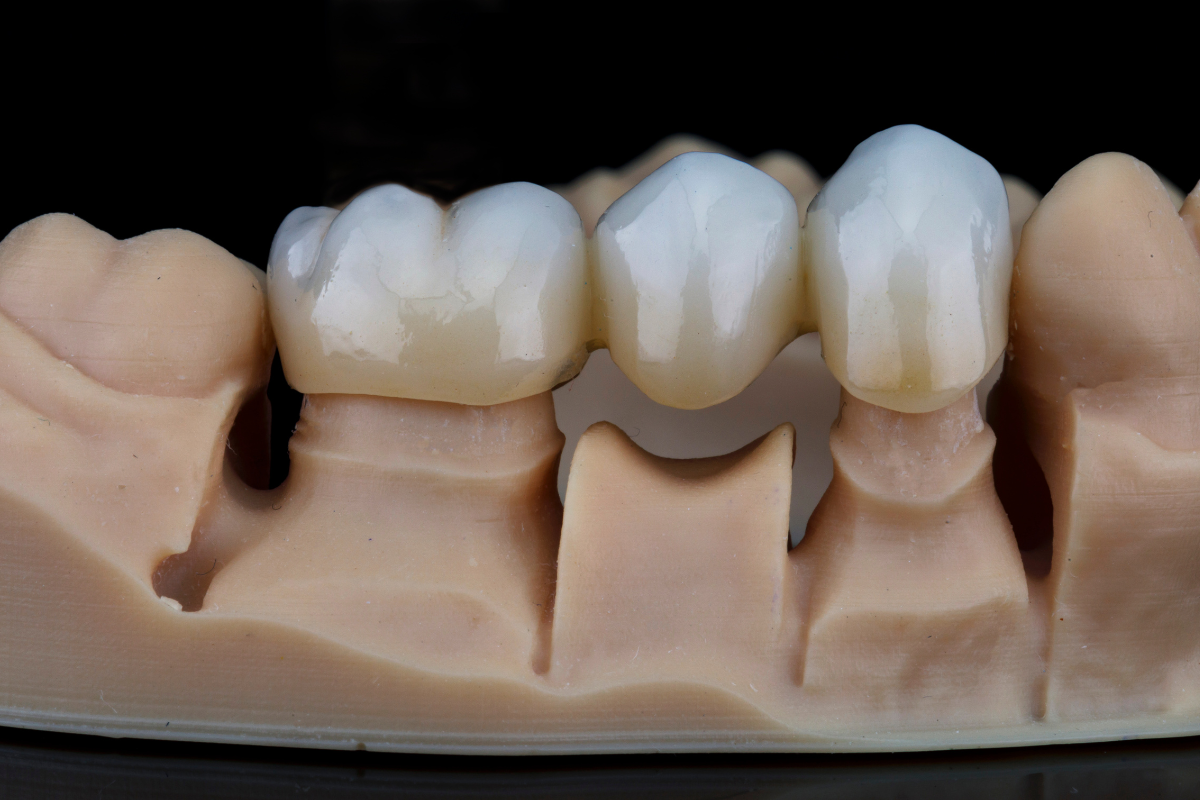
- Tooth Extraction – As a last resort, if the tooth cannot be saved, it may need to be removed. A replacement option like a dental implant or bridge can be discussed afterward.
How to Prevent Root Canal Failure
Taking these preventive steps can reduce your chances of post-treatment complications:
- Don’t delay getting a crown placed after your root canal.
- Maintain excellent oral hygiene (brushing, flossing, rinsing).
- Attend regular dental checkups.
- Avoid chewing hard foods with the treated tooth until it’s fully restored.
When to See a Dentist
If you feel pain or notice unusual symptoms in a previously treated tooth, it’s important to seek professional help. At Wright Smiles, we offer second opinions and can evaluate whether your root canal treatment in Southlake needs attention.
Ready to Address Your Dental Health?
Don’t wait if you’re experiencing post-root canal pain or discomfort. Our team at Wright Smiles is here to guide you through your options and help restore your dental health. If you’re looking for trusted root canal treatment in Southlake, schedule your evaluation today and get clarity on your next steps.
Can a root canal fail years after the procedure?
Yes, a root canal can fail even years later if bacteria enter the tooth through decay, cracks, or breakdown of the filling.
Will retreatment hurt more than the first root canal?
Retreatment typically feels similar to the first procedure. Modern tools and local anesthesia make it comfortable for most patients.
How long does a retreated root canal last?
If done correctly and maintained well, a retreated tooth can last many years, sometimes for life.