What Happens if My Root Canal is Unsuccessful?



Root canals are a common dental procedure designed to save a tooth that has been infected or severely decayed. While most root canal treatments are successful, in rare cases, complications can arise. If you’re experiencing discomfort or uncertainty after your treatment, you may be wondering—what happens if my root canal fails?
Let’s explore the possible signs of root canal failure, the reasons it can happen, and what can be done to resolve the issue.
Signs Your Root Canal May Have Failed
Recognizing the early symptoms of a failed root canal can help you get timely treatment. Here are some common signs to watch for:
| Symptoms | What It Might Indicate |
| Persistent pain or throbbing | Possible reinfection or missed canals |
| Swelling or tenderness in the gums | Infection in surrounding tissues |
| Tooth discoloration | Internal damage to the tooth |
| Bad taste or odor in the mouth | Ongoing infection |
| Pimple or abscess on the gums | Infection has returned or wasn’t fully treated |
If you’re experiencing any of these symptoms, it’s important to follow up with your dentist promptly.
What Causes a Root Canal to Fail?
Root canal treatments have a high success rate, but failure can occur due to several reasons:
- Missed canals: Some teeth have complex anatomy. If a canal is overlooked during the iwasn’t procedure, it can cause bacteria to form.
- Incomplete cleaning: If this wasn’t fully cleaned out and sealed, bacteria may remain.
- New decay: If the tooth crown becomes damaged or leaks, bacteria can enter and infect the previously treated tooth.
- Cracks or fractures: A tooth crack can allow bacteria to bypass the filling and re-infect the inner tissues.
- Delayed restoration: If a crown or permanent filling wasn’t placed in a timely manner, the seal may be compromised.
What Are Your Options After a Failed Root Canal?
If your initial treatment doesn’t go as planned, your dentist will evaluate the condition of the tooth and surrounding tissues. Based on the diagnosis, several treatment paths may be considered:
| Treatment Option | Purpose |
| Root canal retreatment | Reopens the tooth to clean, disinfect, and reseal |
| Apicoectomy (surgical) | Removes the root tip and infected tissue |
| Tooth extraction | Last resort if the tooth cannot be saved |
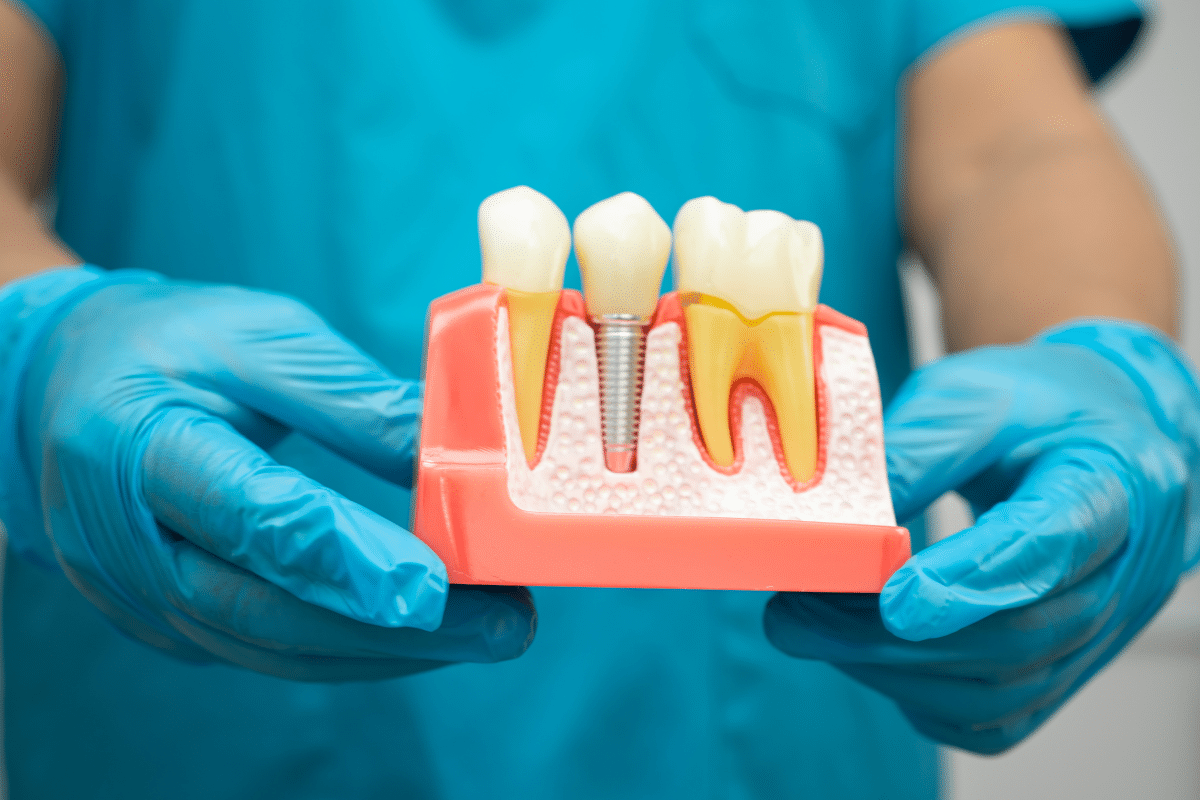
| Dental implant or bridge | Restores function and appearance after extraction |
The best option depends on the position of the tooth, the extent of damage, and your overall oral health.
Prevention Tips: How to Avoid Root Canal Complications
While it doesn’t cause it to be out of your control, there are steps you can take to protect your treated tooth:
- Maintain good oral hygiene with daily brushing and flossing.
- Attend regular dental check-ups for early detection of issues.
- Avoid chewing hard foods on the treated tooth until it is fully restored.
- Get crowns or permanent fillings promptly after treatment.
- Inform your dentist of any new symptoms right away.
Why Prompt Follow-Up Matters
If you’re experiencing discomfort after a root canal, don’t wait for it to worsen. Early intervention can often save the tooth and prevent the need for more complex procedures. Root canal treatment in Southlake is available at Wright Smiles, where your comfort and long-term dental health are the priority.
Ready to Protect Your Smile?
Don’t wait until the problem gets worse. If you’re worried about a failed root canal, schedule a Consultation with our team in Southlake today. We’ll help you understand your options and guide you toward the right solution for your smile.
Can a failed root canal be treated without removing the tooth?
Yes. In madon’tses, retreatment or a minor surgical procedure like an apicoectomy can address the issue without needing an extraction.
How long after a root canal can it fail?
Failure can happen shortly after treatment or even years later. Regular dental exams can help detect problems early.
Is a second root canal more painful?
Not usually. Retreatment is performed under local anesthesia and is generally no more uncomfortable than the initial procedure.