Cold Weather Sensitivity? It Might Not Just Be the Chill—It Could Be a Root Canal Issue



As temperatures drop in Southlake, locals may notice increased tooth sensitivity, especially when drinking cold beverages or eating cold foods. While this can seem like a normal winter reaction, it could also signal a serious issue. Along with an infection, it could also mean the need for root canal treatment in Southlake. Understanding the difference between normal cold sensitivity and a potential underlying oral issue is key to maintaining your dental health this season.
Why Do My Teeth Hurt in Cold Weather?
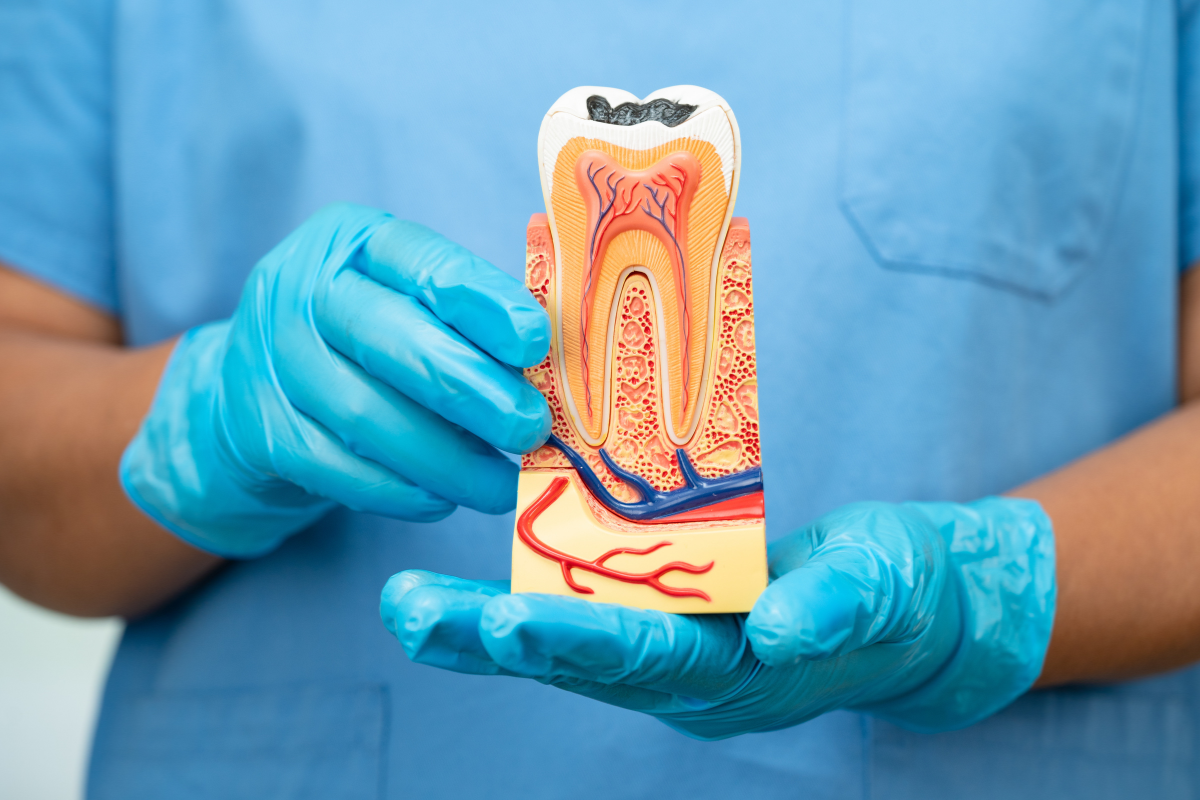
Cold weather can cause your teeth to feel sensitive due to the contraction and expansion of the dental pulp. Cold air, drinks, or even eating cold food can trigger discomfort, especially for people with exposed tooth roots. However, if the sensitivity persists or worsens over time, it could indicate a tooth infection or another issue requiring root canal treatment southlake.
The community’s local lifestyle often includes dining out at local favorites like Nona’s Café or enjoying outdoor activities. Because of this, it is easy to dismiss sensitivity as just the season’s chill. However, persistent pain or discomfort when eating cold foods should not be ignored.
Why Winter Is a Crucial Time to Monitor Your Oral Health
As winter approaches, temperature fluctuations and reduced humidity can significantly impact your dental health. Cold air can cause teeth to contract, leading to microfractures in the enamel and increasing the likelihood of tooth sensitivity. Additionally, for individuals with existing dental issues, such as cracked or decayed teeth, the cold can exacerbate discomfort and pain, potentially leading to an infection that requires root therapy. To prevent such complications, it’s crucial to stay vigilant about oral health during colder months.
How Does an Endodontic Treatment Help with Cold Sensitivity?
When a tooth becomes infected or its pulp is damaged, it can lead to severe sensitivity. In such cases, the cold stimulus reaches the nerves inside the tooth, causing pain. A nerve treatment can help address this issue by removing the infected tissue and sealing the tooth.
This procedure not only alleviates sensitivity but also prevents further infection and damage to the surrounding teeth. It is a common procedure, but an important one. If you experience persistent discomfort while strolling around Southlake Town Square during the cooler months, it is better to act quickly.
Sure Signs You Might Need Root Therapy
To determine whether your cold sensitivity is just a seasonal issue or something more serious, watch for these warning signs:
- Persistent pain: Pain that lasts longer than just a few minutes after exposure to cold.
- Discoloration: A darkening of the affected tooth could indicate infection.
- Swelling or tenderness: Swelling around the tooth or gums can also suggest infection.
- Pain while chewing: Discomfort when chewing or touching the tooth may indicate damage or infection.
Southlake residents lead busy, active lives, and ignoring these symptoms can lead to serious oral concerns. If you are experiencing any of these signs, don’t wait for the discomfort to worsen. Visit our nearby dentist to discuss your tooth infection treatments for fast relief.
What to Do If You Experience Cold Sensitivity?
If cold sensitivity is persistent and does not resolve after a few days, it’s important to visit a dentist. Here are a few things you can do in the meantime to alleviate discomfort:
- Use toothpaste for sensitive teeth: These are formulated to reduce sensitivity and can provide some relief.
- Avoid extremely cold or hot foods: Stay away from foods that might exacerbate the sensitivity.
- Take over-the-counter pain relievers: Ibuprofen or acetaminophen can help manage discomfort temporarily.
However, if your symptoms persist, it’s crucial to see a professional who can assess whether a procedure is necessary to resolve the issue.
Don’t Let Cold Sensitivity Ruin Your Winter Fun
Cold weather sensitivity doesn’t always have to be just a seasonal annoyance. If your teeth are feeling sensitive and you’re concerned about root canal treatment in Southlake, it’s important to seek professional advice sooner rather than later. Whether you’re sipping coffee at Nona’s Café or strolling through McPherson Park, don’t let dental issues hold you back from enjoying the season. Visit our professional dentist at Wright Smiles to ensure your smile stays healthy and pain-free throughout the year.
Frequently Asked Questions (FAQs)
How do I know if I need a root canal?
Signs that you may need a dental pulp removal include severe tooth pain, lingering sensitivity to hot or cold, and discoloration. If these symptoms persist, it is crucial to consult with a dentist immediately.
What can happen if a root canal is not done?
If the procedure is not performed, the infection can spread, leading to more severe pain, a tooth abscess, or even tooth loss. Timely treatment prevents further complications and preserves your natural tooth.
How long does recovery take after a tooth nerve removal?
Most people recover from the procedure within a few days to a week, depending on the severity of the infection. Pain and discomfort are usually manageable with over-the-counter medication.
Can a root canal fail?
While rare, a treatment can fail if the infection persists or a new infection develops. If symptoms return, your dentist may recommend additional treatment or retreatment to save the tooth.
Are there alternatives to endodontic treatment?
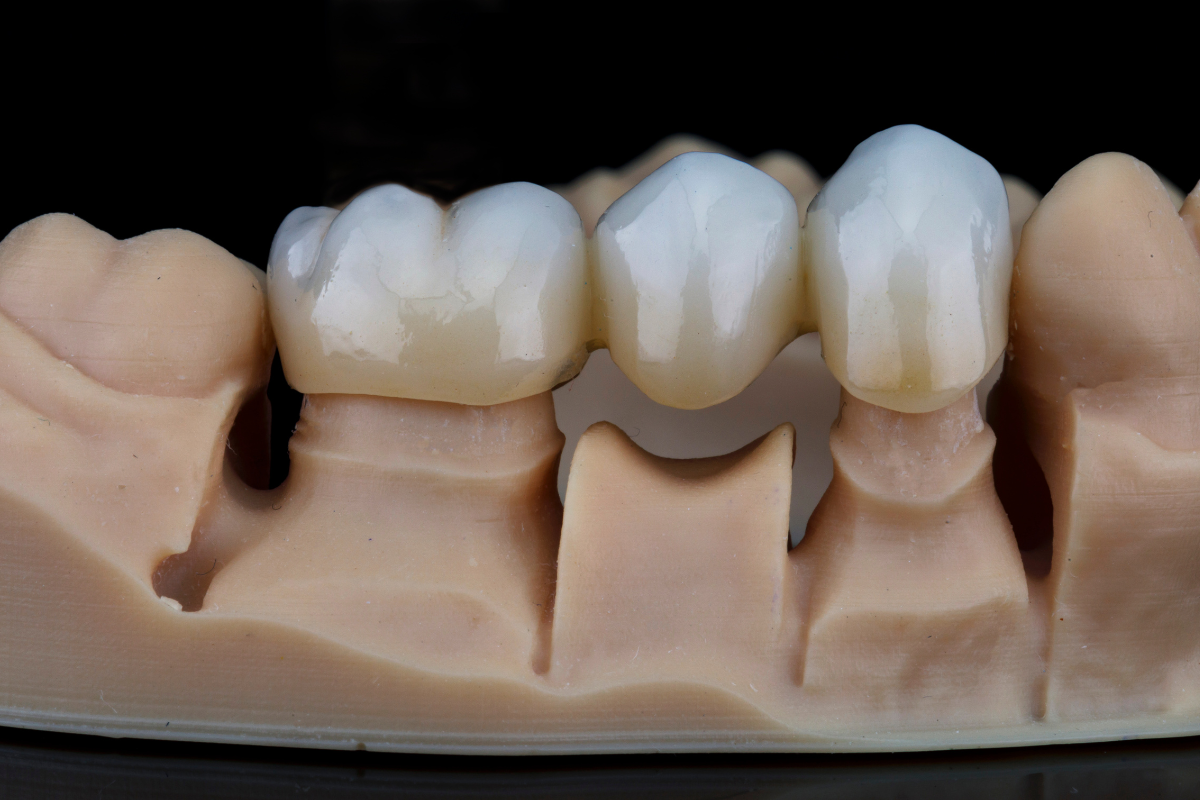
Alternatives to root therapy include tooth extraction or a dental implant. However, your dentist will assess your specific case to determine the best option for preserving your natural tooth.