8 Things to Know Before Getting Dental Implants


Dental implants have become a popular and effective solution for individuals seeking a permanent remedy for missing teeth. This advanced dental procedure offers a natural-looking and durable alternative to traditional dentures or bridges. However, before embarking on the journey of getting dental implants, it’s crucial to be well-informed about various aspects of the process. In this comprehensive guide, we’ll delve into eight essential things you should know before deciding to get dental implants.
1. Consultation with a Qualified Implant Dentist
The first and foremost step in the dental implant process is to schedule a consultation with a qualified implant dentist. A skilled and experienced professional will assess your oral health, evaluate bone density, and discuss your overall medical history. This initial consultation is vital for determining if dental implants in Southlake are a suitable option for you and for creating a personalized treatment plan.
2. Bone Health and Implant Success
Dental implants rely on the support of the jawbone for stability. Therefore, it’s crucial to have sufficient bone density to anchor the implant securely. If there is insufficient bone, additional procedures such as bone grafting may be necessary to ensure the success of the implant. During the consultation, your dentist will thoroughly examine your bone health through X-rays or CT scans.
Bone Grafting: A Supplemental Procedure
In cases where bone density is inadequate, bone grafting may be recommended. This involves transplanting bone from one part of your body or using synthetic materials to enhance the jawbone’s strength and volume. While it adds an extra step to the process, it significantly contributes to the long-term success of dental implants in Southlake.
3. Understanding the Implant Procedure
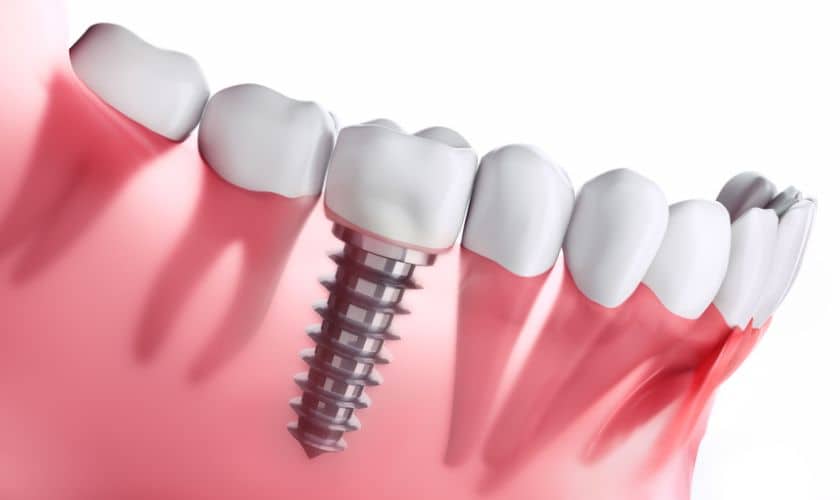
Having a clear understanding of the dental implant procedure is essential for managing expectations. The process typically involves three main phases:
a. Implant Placement
During this phase, the dentist surgically places the implant into the jawbone. It serves as a substitute for the natural tooth root and provides a stable foundation for the replacement tooth.
b. Osseointegration
Osseointegration is the process where the implant fuses with the surrounding bone, ensuring a strong and durable connection. This phase may take several months, allowing for proper healing and integration.
c. Crown Placement
Once osseointegration is complete, a custom-made crown is attached to the implant. This final step results in a natural-looking and fully functional replacement tooth.
4. Recovery and Healing Time
Patience is key when it comes to dental implant recovery. The osseointegration process, where the implant integrates with the jawbone, may take several months. During this time, it’s essential to follow post-surgery care instructions provided by your dentist. These may include dietary restrictions, maintaining oral hygiene, and attending follow-up appointments to monitor progress.
Temporary Tooth Options
In some cases, a temporary crown or bridge may be provided during the healing period to maintain aesthetics and functionality. However, it’s crucial to handle these temporary solutions with care and avoid putting excessive pressure on the implant site.
5. Long-Term Maintenance and Care
Dental implants in Southlake, much like natural teeth, require regular care and maintenance for longevity. Adopting good oral hygiene practices, including daily brushing and flossing, is essential. Regular dental check-ups will allow your dentist to monitor the condition of your implants and address any issues promptly.
Avoiding Habits Harmful to Implants
Certain habits, such as teeth grinding or chewing on hard objects, can exert unnecessary pressure on dental implants. It’s crucial to avoid such habits to prevent damage and ensure the long-term success of your implants.
6. Cost Considerations and Insurance Coverage
Understanding the cost associated with dental implants is a crucial aspect of the decision-making process. While dental implants are an investment in oral health and quality of life, it’s essential to discuss financial aspects with your Southlake dentist.
Insurance Coverage
Inquire with your dental insurance provider about coverage for dental implants. While coverage varies, some aspects of the implant process may be covered by insurance, such as initial consultations or certain components of the procedure.
7. Potential Risks and Complications
As with any surgical procedure, dental implant surgery carries some inherent risks. These may include infection, nerve damage, or complications during the healing process. However, these risks are relatively low, especially when performed by a qualified and experienced implant dentist.
Preventive Measures and Follow-up Care
Your Southlake dentist will provide detailed instructions on post-surgery care and potential signs of complications. Following these instructions diligently and attending scheduled follow-up appointments will help mitigate risks and ensure a smooth recovery.
8. Alternative Options and Candidacy Criteria
Dental implants may not be suitable for everyone. Certain health conditions, insufficient bone density, or lifestyle factors may impact candidacy. During the initial consultation, your Southlake dentist will assess your case and discuss alternative options if dental implants are not the best fit for you.
Alternative Options
Alternative tooth replacement options include traditional dentures or dental bridges. While these may not offer the same level of permanence as implants, they can be effective solutions for individuals who may not be ideal candidates for implants.
Choosing to get dental implants in Southlake is a significant decision that can positively impact your oral health and overall well-being. By being well-informed about the process, risks, and long-term care requirements, you can approach the journey with confidence. Schedule a consultation with a qualified implant dentist to begin the transformative process of restoring your smile and regaining the functionality of natural teeth.