The Importance of Regular Dental Check-ups: Why Routine Visits Matter for Your Oral Health



Maintaining good oral health is about more than just brushing and flossing. Regular dental check-ups are one of the most effective ways to prevent problems before they start and to ensure your teeth and gums stay healthy throughout your life. At Wright Smiles, we encourage every patient to make routine visits a consistent part of their overall wellness plan.
If you’re searching for a dentist in Southlake, TX, understanding the value of preventive dental care can help you take the next step toward long-term oral health.
Why Are Dental Check-ups So Important?
Most dental problems begin silently. Cavities, gum disease, and even signs of oral cancer can progress without noticeable pain in their early stages. Regular visits to your dentist help catch these issues before they require more complex treatment.
Here’s what routine check-ups help with:
- Cavity prevention: Even if you brush and floss every day, plaque can still build up in hard-to-reach areas. Professional cleanings remove plaque and tartar that home care can’t.
- Gum health monitoring: Dentists check for signs of gingivitis or periodontitis, which can lead to tooth loss if left untreated.
- Oral cancer screenings: Early detection of unusual growths or lesions improves the chances of effective treatment.
- Keeping track of changes: Your dentist can spot changes in your bite, enamel wear, or signs of clenching or grinding over time.
- Preventing costly procedures: Identifying small problems early can prevent the need for crowns, root canals, or extractions later.
What Happens During a Dental Check-up?
A standard dental check-up usually includes:
- Examination of teeth and gums: Your dentist inspects for signs of decay, gum recession, inflammation, or damage.
- Professional cleaning: A dental hygienist removes plaque and tartar, polishes your teeth, and may offer fluoride treatment.
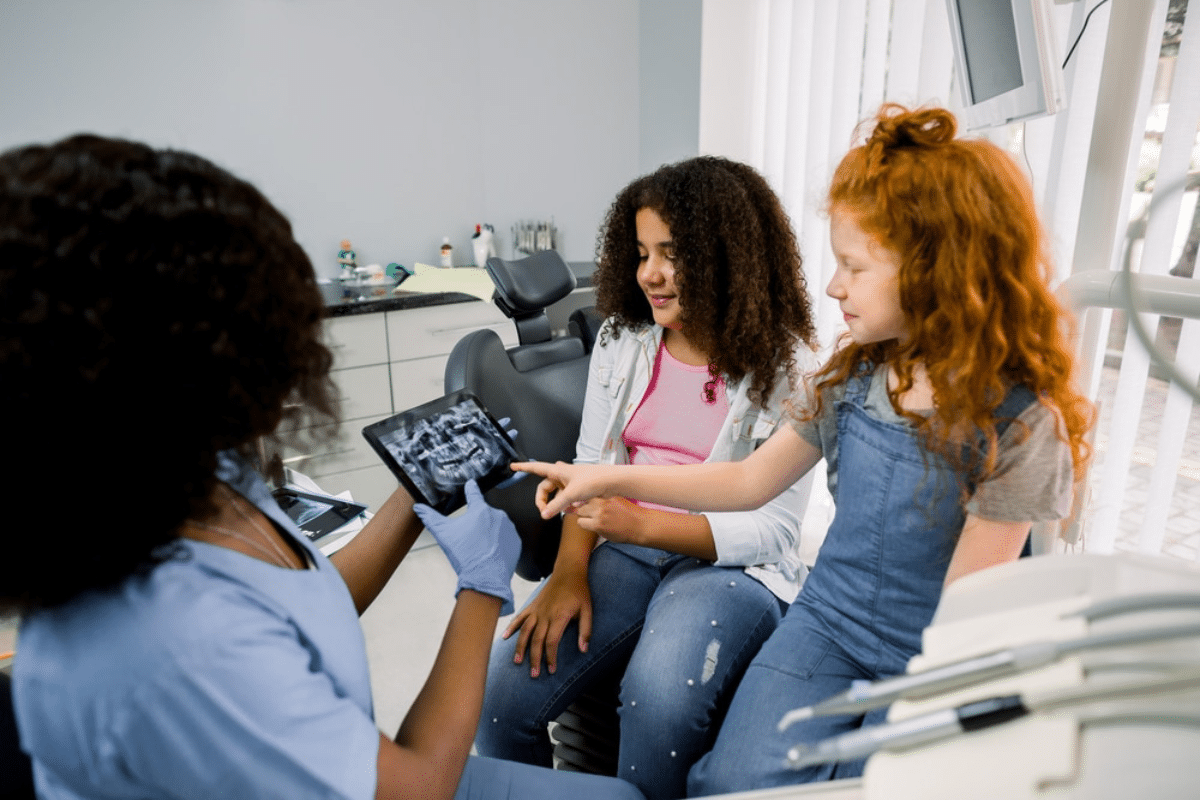
- X-rays (if needed): These help detect cavities between teeth and below the gum line, or track jawbone health.
- Discussion: Your dentist may ask about any discomfort, medical conditions, or changes in lifestyle that could affect your oral health.
- Next steps: You’ll be advised on how to maintain or improve your dental care at home and when to return for your next visit.
How Often Should You Get a Check-up?
For most people, visiting the dentist every six months is recommended. However, the right frequency depends on your individual oral health. Some may benefit from more frequent visits, especially if they:
- Have a history of gum disease or cavities.
- Wear braces, dentures, or other dental appliances.
- Have diabetes or conditions affecting the immune system.
- Use tobacco products
- Experience dry mouth or other medication-related side effects
If you’re unsure about your needs, a dentist Southlake, TX, like Wright Smiles, can help create a personalized care plan.
Choosing the Right Dental Team in Southlake
Dental visits should feel comfortable, informative, and tailored to your needs. Whether it’s your first appointment or your tenth, having a team that explains things clearly and takes time to answer your questions can make all the difference.
At Wright Smiles, we prioritize patient education and consistent care. Our goal is to help you feel confident about your dental health, not just during appointments, but every day.
Ready to Prioritize Your Smile?
Don’t wait for a problem to appear—proactive dental care is one of the most effective ways to protect both your oral and overall health. If it’s been a while since your last visit or you’re simply looking to stay ahead with preventive care, now is the perfect time to schedule a consultation with a dentist in Southlake, TX and take the next step toward a healthier smile.
Are dental check-ups really necessary if I don’t have any pain?
Yes. Most dental issues, including cavities and gum disease, don’t cause pain until they are advanced. Regular check-ups help identify and address problems early—before they become serious.
Can dental cleanings remove stains from coffee or tobacco?
Yes. Professional cleanings help reduce surface stains caused by beverages like coffee, tea, or smoking. For deeper stains, your dentist may recommend whitening options.
Is it okay to skip a check-up if I brush and floss every day?
Brushing and flossing are essential, but they don’t replace professional exams and cleanings. Dentists use tools and techniques that reach areas that home care can’t.