Are Veneers a Permanent Cosmetic Dental Solution? The Truth Most People Don’t Know


You’ve been hiding your smile for years.
Maybe it’s a chipped tooth you’ve learned to work around. Maybe it’s discoloration that no whitening kit has ever touched. Or maybe it’s that moment in every photo — that tiny pause before you decide whether to smile with your teeth or just… not.
If that sounds familiar, you’re not alone. Millions of people feel exactly the same way. And if you’ve been searching for veneers in Southlake, you’re already one step closer to changing that.
But before you book a consultation, there’s one question almost every patient asks — and deserves a straight answer to:
Are veneers actually permanent?
The short answer? It’s complicated. The full answer could save you from an expensive mistake — or give you the confidence to move forward.
Let’s break it down.
What Are Dental Veneers, Really?
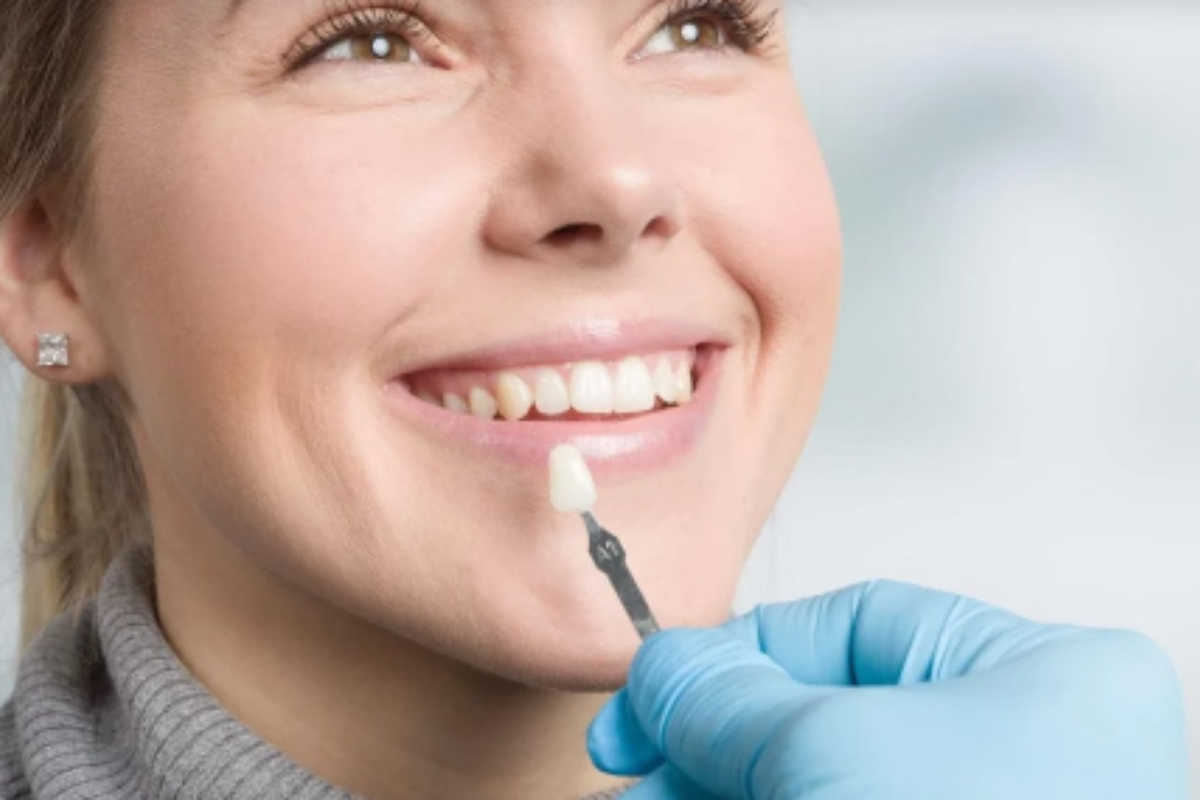
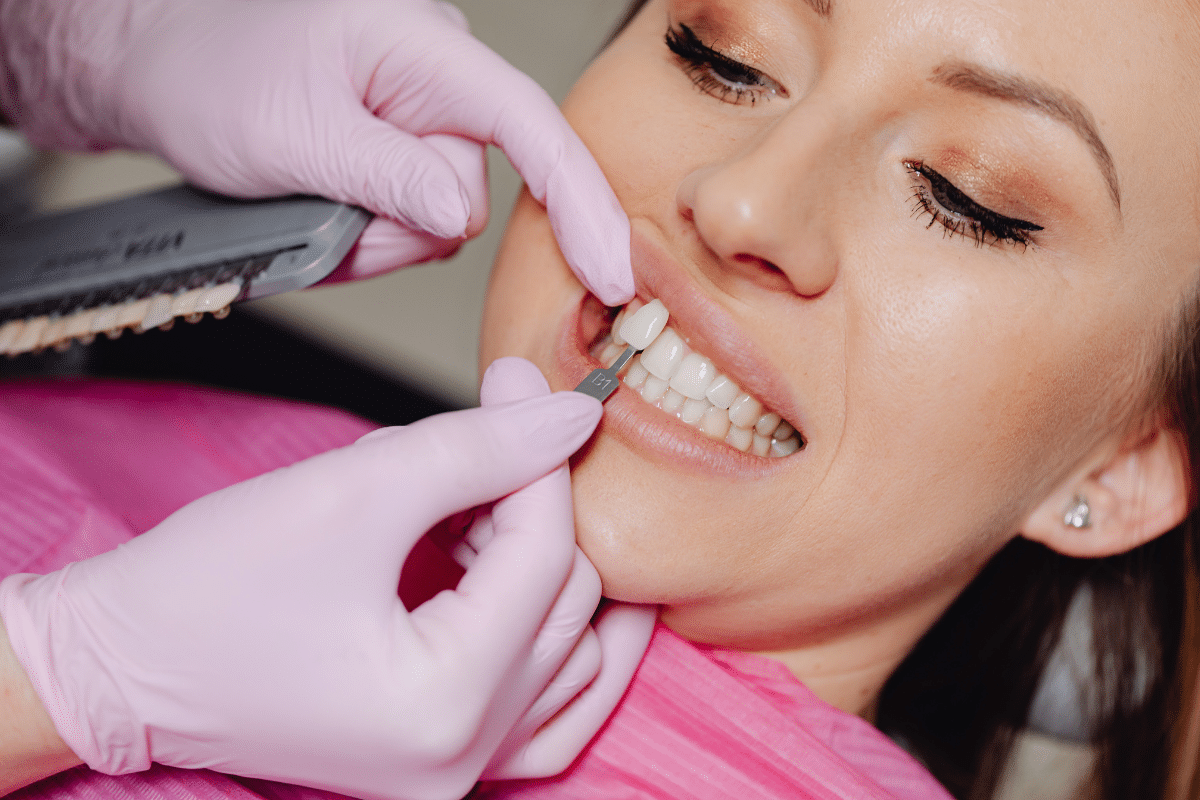
Dental veneers are ultra-thin, custom-made shells — typically made from porcelain or composite resin — that bond directly to the front surface of your teeth. Think of them as a precision-crafted cover that reshapes, recolors, and redesigns your smile from the outside in.
They’re used to correct:
- Chipped or cracked teeth
- Stubborn staining that whitening can’t fix
- Gaps between teeth
- Slightly misaligned or uneven teeth
- Teeth that are too small or worn down
The results can look completely natural. When done well, even a dentist looking at your smile across the room won’t be able to tell.
So… Are Veneers Permanent?
Here’s the honest answer most people aren’t told upfront:
Veneers themselves are not permanent. But the process of getting them is.
Here’s why that matters.
To place traditional porcelain veneers, your dentist removes a thin layer of enamel from the surface of your teeth — usually about 0.3 to 0.5 millimeters. This is done to create a flush, natural fit once the veneer is bonded on.
Because enamel doesn’t grow back, this step is irreversible. Once it’s done, your teeth will always need to be covered — whether by the original veneers, replacements down the line, or another form of restoration.
So while the veneers themselves will eventually need to be replaced (typically every 10 to 20 years depending on care and material), your commitment to having them is, in most cases, lifelong.
That’s not a reason to avoid them. It’s just a reason to go in with clear expectations — and to choose the right dental team from the start.
How Long Do Veneers Actually Last?
With proper care, high-quality porcelain veneers can last anywhere from 10 to 20 years, and sometimes longer. Composite resin veneers tend to have a shorter lifespan — around 5 to 7 years — though they often cost less upfront.
Several factors affect how long your veneers hold up:
- Oral hygiene habits — brushing twice daily, flossing, and keeping up with professional cleanings extend veneer life significantly.
- Bite habits — Grinding or clenching your teeth (bruxism) puts excess pressure on veneers and can cause them to chip or crack prematurely.
- Diet and lifestyle — Biting hard objects, chewing ice, or regularly consuming highly acidic foods and beverages can wear veneers down faster.
- Quality of placement — This one matters more than most people realize. Veneers placed with precision, using quality materials, by an experienced provider will simply outlast those that aren’t.
What Are the Risks of Getting Veneers?
Veneers are generally considered safe, but it’s important to go in informed. Some things to be aware of:
- Tooth sensitivity — After enamel removal, some patients experience temporary sensitivity to hot and cold. This usually settles within a few weeks.
- Irreversibility — As mentioned, the enamel removal is permanent. This is why no-prep or minimal-prep veneers are worth discussing with your dentist, especially for patients who want a less invasive option.
- Potential for damage — Veneers can chip or crack if exposed to excessive force. They’re strong, but they’re not indestructible.
- Not a fix for every issue — Veneers address cosmetic concerns. If there are underlying problems like tooth decay, gum disease, or bite issues, those need to be resolved first.
A thorough consultation with a knowledgeable dental provider will help you understand whether veneers are the right fit for your specific situation — or whether an alternative like dental bonding, crowns, or orthodontics might serve you better.
Why the Right Provider Makes All the Difference
Veneers are one of the most technique-sensitive procedures in cosmetic dentistry. The difference between a result that looks natural and one that looks “done” often comes down to who places them and how.
At Wright Smiles, patients in Southlake, TX, receive personalized care that starts with a comprehensive smile evaluation — not a rushed consultation. The goal is to understand what you want, what your teeth can support, and what will look and function best for your unique smile.
Every veneer is designed with proportion, color, and natural symmetry in mind. Because a smile that looks like you — just better — is the whole point.
Whether you’re coming in from Southlake, Keller, Colleyville, or the surrounding DFW area, our team is here to walk you through every step of the process with honesty and care.
Is the Veneer Process Painful?
Most patients are pleasantly surprised by how comfortable the process is.
Before enamel is removed, the area is numbed with a local anesthetic. The preparation step is typically quick and well-tolerated. After the appointment, some mild sensitivity is normal for the first few days — manageable with over-the-counter pain relief if needed.
Once the final veneers are placed and bonded, the vast majority of patients report no ongoing discomfort at all.
Ready to See What Veneers Could Do for Your Smile?
If you’ve been thinking about veneers in Southlake, this is your sign to stop wondering and start getting answers specific to your smile.
Scheduling your consultation with Wright Smiles is a no-pressure conversation. You’ll learn exactly what’s possible, what the process looks like, and what to expect — before you ever make a commitment.
Frequently Asked Questions About Veneers
Are veneers a permanent procedure?
The veneers themselves are not permanent — they typically last 10 to 20 years before needing replacement. However, because getting traditional veneers requires removing a thin layer of tooth enamel (which doesn’t grow back), the commitment to having some form of restoration on those teeth is generally lifelong.
Can veneers be removed and teeth returned to normal?
In most cases, no. Because enamel is removed during preparation, the underlying tooth structure is permanently altered. Minimal-prep or no-prep veneers are an option for some patients that preserves more enamel — ask your dentist if you qualify.
Do veneers look natural?
Yes — when crafted and placed well, porcelain veneers are virtually indistinguishable from natural teeth. They reflect light similarly to real tooth enamel and are custom-matched in shape and shade to your surrounding teeth and facial features.
How do I care for veneers?
Care for veneers the same way you would natural teeth: brush twice daily with a non-abrasive toothpaste, floss regularly, and visit your dentist for cleanings and checkups. Avoid biting hard objects or grinding your teeth. If you grind at night, ask about a custom night guard.
Are veneers covered by dental insurance?
Veneers are considered a cosmetic procedure and are generally not covered by dental insurance. However, financing options are often available to make treatment more accessible. Talk to your dental team about payment plans during your consultation.
What’s the difference between porcelain and composite veneers?
Porcelain veneers are lab-fabricated, longer-lasting (10–20 years), and more stain-resistant. Composite resin veneers can often be placed in a single visit and cost less upfront, but typically need replacement sooner (5–7 years). Your dentist can help you choose based on your goals and budget.
Who is a good candidate for veneers?
Good candidates have generally healthy teeth and gums, sufficient tooth enamel, and realistic expectations about outcomes. People with active gum disease, significant decay, or severe misalignment may need to address those issues first. A thorough exam is the only way to know for certain.
How long does the veneer process take?
Traditional porcelain veneers typically require two to three appointments over two to four weeks — one for consultation and preparation, one for bonding the final veneers. Some offices offer same-day options using in-office milling technology. Ask Wright Smiles what’s available for your case.