Dreaming of a More Confident Smile? How Porcelain Veneers Can Transform Your Teeth


Have you ever looked in the mirror and wished your smile looked a little different? Perhaps you have chipped teeth, stubborn discoloration, uneven edges, or small gaps that make you feel less confident when smiling. Even when your teeth are healthy, cosmetic imperfections can affect how you feel about your appearance.
The good news is that modern cosmetic dentistry offers solutions that can help you achieve a more balanced, attractive smile. One popular option is porcelain veneers. These thin, custom-made restorations are designed to cover the front surfaces of teeth and improve their appearance.
For patients considering veneers in Southlake, understanding how this treatment works, what it can correct, and whether it fits their needs is an important first step.
At Wright Smiles, patients can explore cosmetic dental options designed to improve the appearance of their smiles while considering their individual dental health and goals.
Let’s look at how porcelain veneers work and what you should know before deciding whether they are right for you.
What Are Porcelain Veneers?
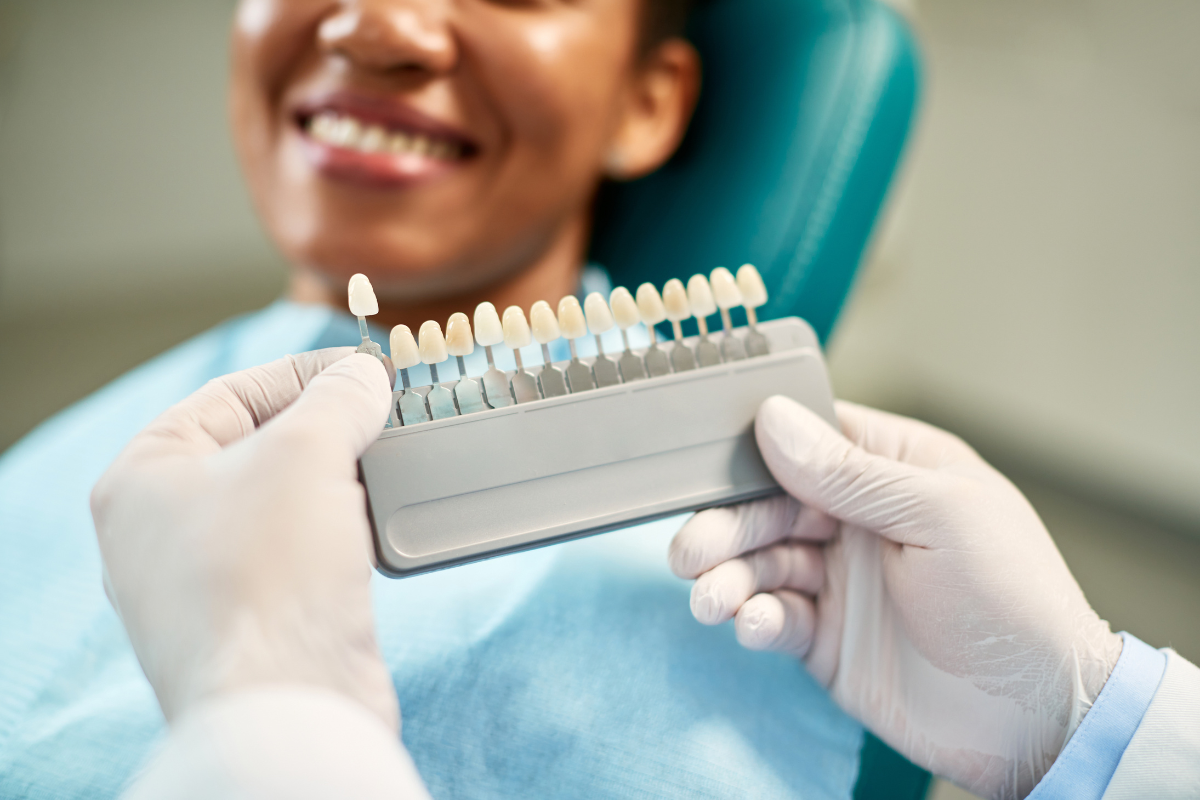
Porcelain veneers are thin, custom-crafted shells that are bonded to the front surfaces of selected teeth. They are designed to improve the visible appearance of teeth while maintaining a natural-looking smile.
Each veneer is customized to complement your facial features, tooth proportions, and preferred smile appearance.
Depending on your cosmetic concerns, veneers can help improve:
- Discolored teeth that do not respond well to traditional whitening.
- Chipped or worn tooth edges.
- Small gaps between teeth.
- Uneven or irregular tooth shapes.
- Teeth that appear too small or disproportionate.
- Minor cosmetic alignment concerns.
Porcelain is a popular material because it can closely resemble natural tooth enamel in appearance. It also offers good resistance to staining compared with natural teeth and some other restorative materials.
However, veneers are not suitable for every dental concern. A professional evaluation is necessary to determine whether this treatment is appropriate for your smile.
6 Ways Porcelain Veneers Can Improve Your Smile
Porcelain veneers offer several cosmetic advantages. Here are some of the most common reasons patients consider this treatment.
1. Improve Stubborn Tooth Discoloration
Tooth discoloration is one of the most common cosmetic concerns. Coffee, tea, tobacco, certain medications, and natural aging can all contribute to changes in tooth color.
Professional teeth whitening can improve many types of staining, but some discoloration may be difficult to correct with bleaching alone.
Porcelain veneers can cover the visible surfaces of affected teeth and create a brighter, more consistent appearance.
They may be worth discussing if you have deep discoloration or uneven coloring that does not respond to whitening treatments.
2. Repair the Appearance of Chipped or Worn Teeth
Small chips and worn edges can make otherwise healthy teeth look uneven. These imperfections may also affect the overall balance of your smile.
Custom porcelain veneers can restore the visible shape and proportions of selected teeth.
They are designed to create a smoother, more uniform appearance while blending with the surrounding teeth.
For significant structural damage, however, a dental crown or another restorative treatment may be more appropriate.
3. Create a More Balanced Tooth Shape
Not every cosmetic concern involves tooth damage or discoloration. Some people naturally have teeth that appear too short, narrow, irregular, or differently shaped.
These differences can make the smile look uneven.
Veneers can be customized to adjust the visible length, width, and contours of selected teeth. This allows your dentist to create a more harmonious appearance based on your smile goals.
4. Minimize the Appearance of Small Gaps
Small spaces between certain teeth can affect the appearance of your smile.
In appropriate cases, porcelain veneers can be designed to change tooth proportions and reduce the appearance of minor gaps.
However, larger spaces or more significant alignment problems may require orthodontic treatment.
Your dentist can evaluate whether veneers, clear aligners, or another approach would provide the most suitable result.
5. Achieve a More Consistent Smile Appearance
When several teeth have different shapes, colors, or proportions, your smile may appear less uniform.
Veneers can be customized to create greater consistency across the treated teeth.
During treatment planning, your dentist considers factors such as tooth shade, facial proportions, gumline appearance, and the relationship between your upper and lower teeth.
The goal is not simply to make teeth look whiter. It is to create a smile that complements your natural appearance.
6. Enjoy a Natural-Looking Cosmetic Improvement
One reason porcelain veneers are popular is their ability to mimic the appearance of natural enamel.
Porcelain can reflect and transmit light in a way that creates a realistic appearance. When properly designed and placed, veneers can blend with surrounding teeth rather than looking overly artificial.
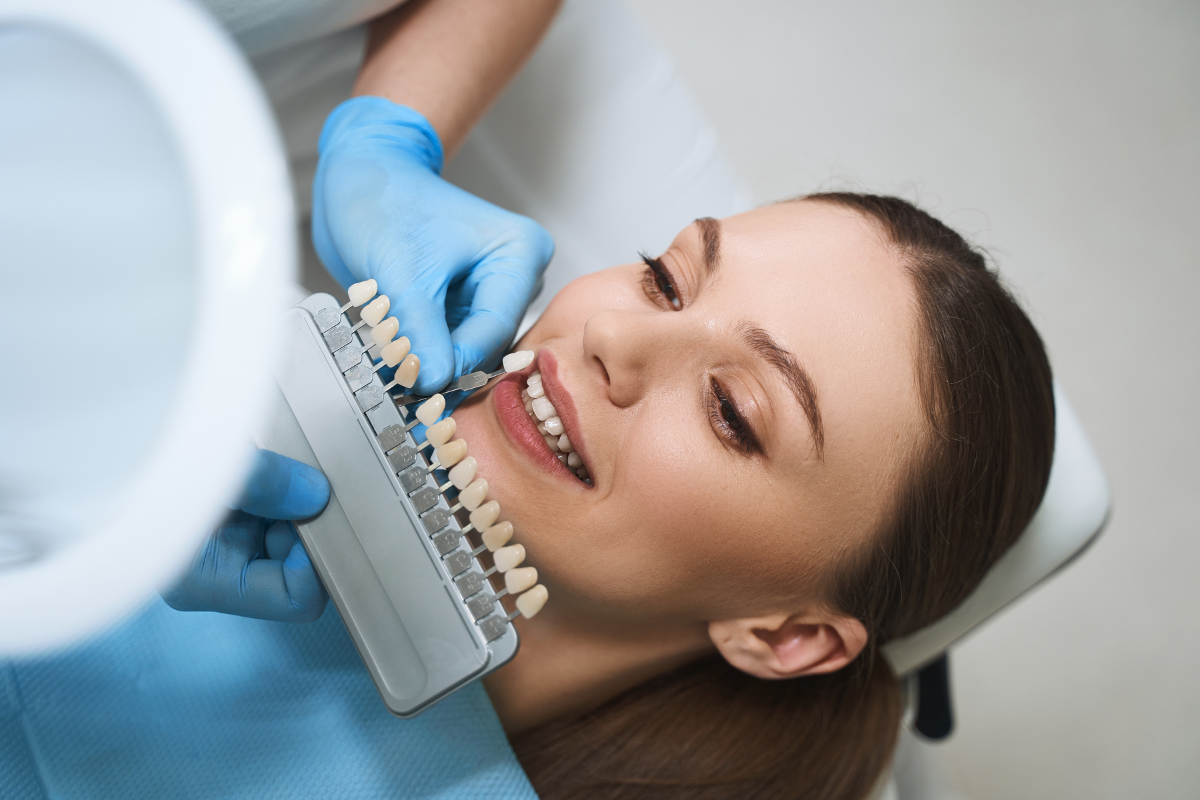
Your dentist will help select an appropriate shade, shape, and size based on your preferences and existing smile.
What Happens During the Porcelain Veneer Process?
Understanding the treatment process can make it easier to decide whether veneers are right for you.
Although the exact procedure varies depending on your dental needs, the process generally includes several stages.
Step 1: Cosmetic Consultation and Smile Evaluation
Your treatment begins with a consultation. Your dentist examines your teeth and gums, discusses your cosmetic concerns, and evaluates your overall oral health.
You can explain what you would like to improve, whether that means correcting discoloration, changing tooth shape, closing small gaps, or achieving a more balanced smile.
Your dentist will determine whether veneers are appropriate and discuss alternative treatments when necessary.
Step 2: Tooth Preparation
Traditional porcelain veneers usually require removing a small amount of enamel from the front surface of the selected teeth.
This creates space for the veneers and helps them fit naturally without making the teeth look bulky.
The amount of preparation depends on your individual case and the planned restoration.
It is important to understand that traditional veneer preparation is generally irreversible because removed enamel does not grow back.
Step 3: Custom Veneer Design
After preparation, impressions or digital scans may be taken to create customized veneers.
These records help the dental laboratory design restorations that fit your teeth and complement your smile.
Temporary veneers may be provided while your permanent restorations are being made, depending on your treatment plan.
Step 4: Final Placement and Bonding
Once your custom veneers are ready, your dentist checks their fit, shape, and shade.
After the necessary adjustments, the veneers are bonded to the prepared tooth surfaces using dental adhesive.
Your dentist checks your bite and makes final refinements to help ensure comfort and a natural appearance.
Are Porcelain Veneers the Right Choice for Everyone?
Although veneers can provide impressive cosmetic improvements, they are not the ideal solution for every patient.
You may be a suitable candidate if you:
- Have healthy teeth and gums.
- Want to improve discoloration, chips, or irregular tooth shapes.
- Have minor cosmetic gaps or uneven tooth proportions.
- Have sufficient healthy enamel for veneer placement.
- Maintain consistent oral hygiene habits.
- Understand the long-term maintenance involved.
Certain dental conditions may make veneers less appropriate.
For example, untreated cavities, active gum disease, significant enamel loss, or severe teeth grinding may need to be addressed first.
Patients who frequently clench or grind their teeth may also need additional protection, such as a custom nightguard, to reduce the risk of veneer damage.
A consultation with an experienced dentist in Southlake, TX can help you understand your options and determine whether porcelain veneers fit your dental needs.
Porcelain Veneers vs. Dental Bonding vs. Teeth Whitening
Porcelain veneers are not the only way to improve your smile. Depending on the concern, other cosmetic treatments may provide a better solution.
- Porcelain Veneers: These custom restorations cover the front surfaces of teeth and can improve discoloration, chips, gaps, and irregular shapes. Traditional veneers generally require permanent enamel removal.
- Dental Bonding: This treatment uses tooth-colored composite resin to repair minor chips, reshape teeth, or improve small gaps. It usually requires less tooth preparation than traditional veneers, although bonding material may stain or chip over time.
- Professional Teeth Whitening: Whitening treatments use bleaching agents to lighten natural tooth enamel. This is often a suitable option for patients whose primary concern is tooth discoloration rather than tooth shape or damage.
The right treatment depends on your cosmetic goals, oral health, budget, and willingness to undergo permanent tooth preparation.
Your dentist can help you compare these options before making a decision.
How to Care for Your Porcelain Veneers
Porcelain veneers are designed to be durable, but they still require proper care and regular dental attention.
Here are some habits that can help protect your investment:
- Brush twice daily with a soft-bristled toothbrush and fluoride toothpaste.
- Floss or clean between your teeth every day.
- Avoid biting hard objects such as ice, pens, or fingernails.
- Do not use your teeth to open packaging.
- Avoid excessive pressure if you grind or clench your teeth.
- Limit habits that can damage your natural teeth or restorations.
- Attend regular dental examinations and professional cleanings.
Although porcelain is relatively stain-resistant, the natural teeth surrounding your veneers can still discolor. Maintaining good oral hygiene helps keep your overall smile looking consistent.
With appropriate care, porcelain veneers can last many years. Their lifespan varies depending on oral habits, placement, and maintenance, and they may eventually require repair or replacement.
Transform Your Smile With Cosmetic Dentistry at Wright Smiles
Your smile is an important part of how you express yourself. If chipped teeth, stubborn discoloration, uneven shapes, or small gaps are making you feel self-conscious, cosmetic dentistry may offer a solution.
At Wright Smiles, patients can explore personalized cosmetic treatment options based on their dental needs and smile goals.
Whether you are considering porcelain veneers, dental bonding, or professional teeth whitening, understanding your options is the first step toward making a confident decision.
You do not have to settle for a smile you are unhappy with. Take the opportunity to explore what cosmetic dentistry can accomplish.
Call Wright Smiles at 817-481-7999 to schedule an appointment and discover whether porcelain veneers can help you achieve the smile you have been dreaming of.
Frequently Asked Questions About Porcelain Veneers
1. How long do porcelain veneers typically last?
Porcelain veneers can last approximately 10–15 years or longer with proper care. Their lifespan depends on oral hygiene, bite pressure, dental habits, and regular professional maintenance. Some veneers may eventually need repair or replacement.
2. Are porcelain veneers permanent?
Traditional porcelain veneers are considered an irreversible treatment because a small amount of natural enamel is generally removed during preparation. Although the veneers may eventually need replacement, the prepared teeth will continue to require protection.
3. Do porcelain veneers look natural?
Yes. Porcelain can closely resemble natural tooth enamel because of its color and light-reflecting properties. Customizing the shape, shade, and size helps create a natural-looking result that complements your smile.
4. Can porcelain veneers fix crooked teeth?
Veneers may improve the appearance of minor alignment irregularities, but they do not physically move teeth. Significant crowding or bite problems may require orthodontic treatment instead.
5. Are porcelain veneers better than dental bonding?
Neither treatment is automatically better for everyone. Porcelain veneers generally offer greater stain resistance and can provide long-lasting cosmetic improvements, while dental bonding usually requires less tooth preparation and can be more suitable for minor corrections. Your dentist can recommend the right option based on your needs.
Medical Disclaimer: This article is intended for educational purposes only and does not replace professional dental advice, diagnosis, or treatment. Veneer suitability, preparation requirements, and expected results vary by patient. Consult a qualified dental professional before proceeding with cosmetic dental treatment.